check

check

check

check

check

check

check

check

check

check
A heavy duty limit switch is a contact position switch with a reinforced housing and a sturdier actuator, made for machines where the switch may be struck, shaken or covered in grime. Like any limit switch, it works when a moving part physically pushes its lever, plunger or rod at the end of travel, and the switch then stops the motion or hands over to the next step. KJT Sensors supplies these switches for cranes, conveyors and large machinery that would quickly batter a light-duty body.


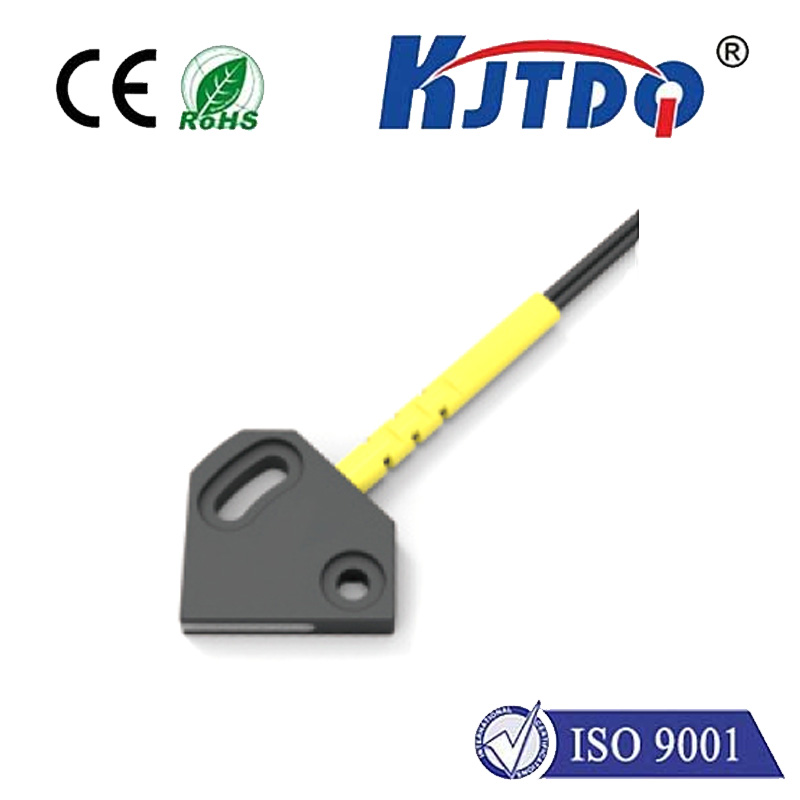
Figure 1. KJT Sensors heavy-duty limit switch for industrial machinery with impact and vibration.
The working principle stays the same; the build is what changes. A heavy-duty version uses a reinforced mechanical housing and an actuator designed to take physical impact. On a crane runway or a bulk conveyor, the dog that trips the switch may arrive hard and at speed, and the surrounding structure vibrates all day. A thin housing or a light lever can bend, crack or loosen under that treatment, and the switch then stops reporting the true position.
Inside, the device is still a set of contacts operated by a mechanical linkage. It has moving parts and it wears with use, which is normal for this kind of switch. The heavier construction slows that wear under rough handling rather than removing it.
Machines with large moving masses, long travel or hard knocks are the usual candidates:
Cranes and hoists, where the switch marks the end of the runway or the upper limit of the hook.
Conveyors and transfer cars, where it confirms end position and can report a belt that has wandered off line.
Lifting platforms and stacker equipment in storage areas, which need clear upper and lower limits.
Heavy presses, slides and carriages that run into their end positions many times per shift.
Steel and foundry plant, where heat, dust and strong vibration all act on the switch at once.
Construction lifting equipment and aerial work platforms, which rely on upward limit detection during operation.
Lighter versions of the same idea give signal feedback on automated production lines, where a mechanical arm, slide or packaging tool reports that it has reached its work position, but heavy machinery is where the reinforced build matters most.
In each case the switch provides the same service: when the moving part reaches its preset extreme position, it triggers a stop or a changeover so the machine does not overrun, ride up past its stop or collide with its frame.
Because it is simple, direct and easy to trust. A limit switch has a plain structure, operates positively when its actuator is pushed and needs only basic control logic, which makes it well matched to mechanical travel control. On large machines, overtravel can damage rails, wheels, slides and hooks, and an end-position stop from a switch lowers that risk.
There is also an environmental argument. Some electronic sensors can be disturbed by thick dust, moisture or strong electromagnetic noise around big drives. A mechanical trigger is not affected in the same way, so it remains a sensible option for basic limit detection on harsh sites. And automatic position feedback means fewer visual checks and fewer manual starts and stops by operators.
Begin with how the machine part meets the switch. A roller lever suits a cam or dog sliding past, a plunger suits a straight push, and a rod or fork style may suit long or rotating travel. Next, think about the force and speed of that contact, since this is exactly what the reinforced actuator is there to absorb.
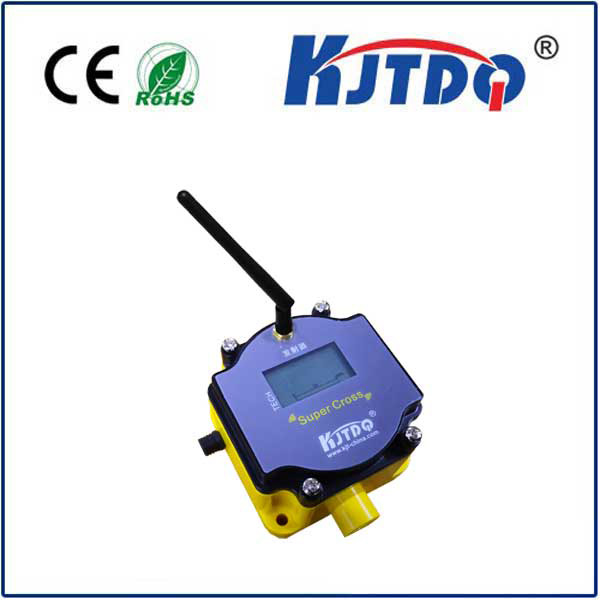
Then look at the surroundings. Where water, washdown or outdoor weather is present, a waterproof limit switch with a sealed actuator housing keeps moisture away from the contacts. Where the switch rides on equipment that moves a long way, a wireless limit switch still operates mechanically but sends its contact state by radio, avoiding a cable that would be dragged along with the machine. Electrical ratings, actuator choices and enclosure details vary by model, so the datasheet and an application check should settle the final choice.
Is a heavy duty limit switch a contact device?
Yes. A moving part presses the actuator, which operates the contacts inside. The reinforced body changes durability, not the operating principle.
Can it replace a standard limit switch on the same machine?
Often, provided the actuator type, travel and mounting space match. The larger body and stronger lever should be checked against the available room.
What wears first on a heavily used limit switch?
The actuator and contacts, since both move every cycle. A reinforced design absorbs impact and vibration better, so that wear progresses more slowly.
Does a wireless heavy duty switch still need to be physically pushed?
It does. Only the signal path is wireless; the actuator is still operated by the machine part.