check

check

check

check

check

check

check

check

check

check
A stainless steel limit switch is a mechanical travel switch whose housing and exposed parts are made of stainless steel, so it keeps working where salt spray, chemicals or frequent washdown would attack an ordinary enclosure. It operates in the usual way: a moving machine part presses the roller lever, plunger or rod, the internal contacts change state, and the control system stops the motion or starts the next step. KJT Sensors includes stainless versions in its travel-limit range for processing plants, marine sites and other corrosive locations.


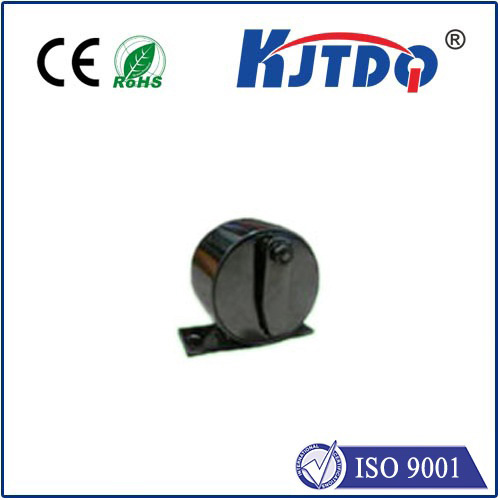
Figure 1. KJT Sensors stainless steel limit switch for corrosive and washdown environments.
Stainless steel changes how well the switch resists corrosion; it does not change how the switch works. The device is still a contact switch with moving parts. A cam, door, carriage or slide physically pushes the actuator, the actuator moves the contact mechanism inside, and that mechanical action becomes an electrical switching signal for endpoint detection and travel limiting.
What the material improves is survival in places where the outer surfaces are under chemical attack. Painted or plated housings can blister and pit when they are hosed down every shift or splashed with process chemicals, and once the enclosure is damaged, moisture and residue can reach the mechanism. A stainless body and stainless actuator parts hold up far better against chemical exposure, salt spray and harsh washdown.
Sites where the switch is wet, salty or chemically exposed for long periods are the usual candidates. Common examples include:
food, beverage and other processing lines that are washed down frequently;
chemical, oil and power generation plants where vapour or splashes reach the machinery;
ports and coastal installations exposed to salt-laden air;
textile, steel and other heavy industries where cleaning agents and moisture are part of daily operation.
Take the spreader and hoist on a container crane at a sea port. Its end-of-travel switches sit outside, in constant salt spray, and must still respond every time the mechanism reaches its limit. A stainless housing keeps that mechanical switch from corroding while the actuator continues to be pressed in the normal way.
The actuator is chosen by how the moving part meets the switch, exactly as with any other limit switch. A roller arm suits a cam or a part that passes sideways across the switch. An adjustable lever lets the trip point be set to match the machine. A plunger suits a part that approaches head-on with a short stroke, and a roller plunger combines a direct approach with a rolling contact face. The material choice adds one more consideration: check which actuator styles are offered in stainless and whether the moving parts themselves, not only the housing, are suited to the corrosive conditions.
Because it gives a direct, physical confirmation that the machine has reached its limit, and that confirmation is easy to understand and check. Travel switches have a simple structure, positive actuation and simple control logic, which makes them a natural fit for mechanical travel control. Their core purpose is to control and protect the movement position of equipment, stopping a part from overrunning its track or reversing it at the end of its stroke.
The trade-off is that a contact switch wears with use, since its actuator and contacts move every time it operates. Corrosion speeds that wear up, which is the reason a stainless design is worth specifying where moisture and chemicals are part of the environment.
Is a stainless steel limit switch still a contact device?
Yes. The moving machine part has to press the actuator to operate the contacts. Only the housing and exposed materials are changed to resist corrosion.
Does stainless steel make the switch suitable for any chemical?
Not automatically. Stainless steel resists many corrosive conditions, but the specific chemicals, cleaning agents and seal materials should be checked against the product information.
Is a stainless limit switch suitable for outdoor port equipment?
It is a common choice there, because salt-laden air attacks ordinary housings. The actuator type and the exact enclosure should still be matched to the machine.
Where can the exact material grade and sealing details be found?
On the datasheet of the specific model. Material grades, actuator options and electrical ratings vary between versions, so the details should be confirmed for the actual site.