check

check

check

check

check

check

check

check

check

check
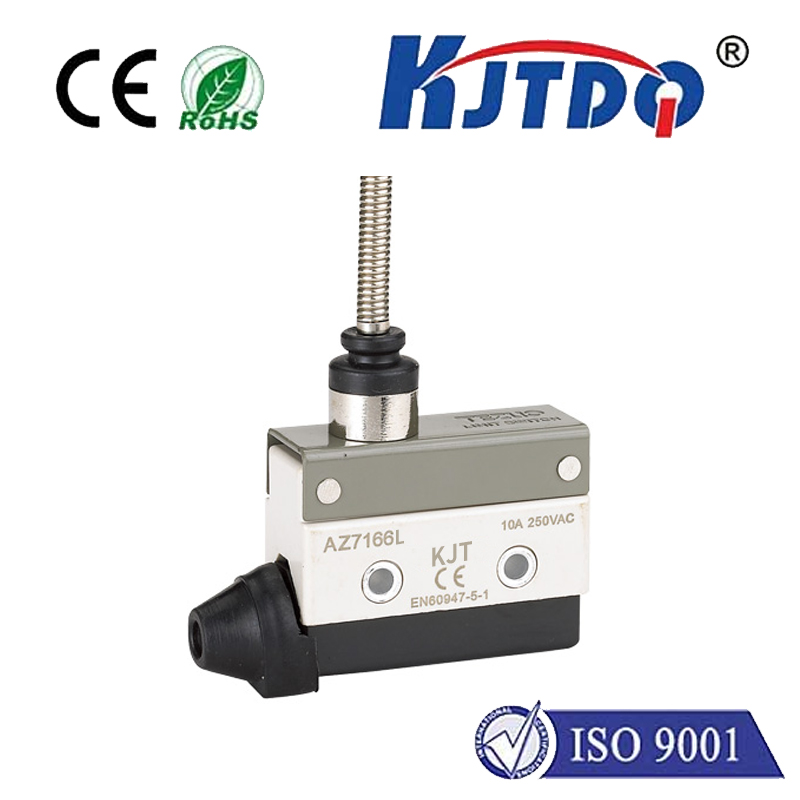
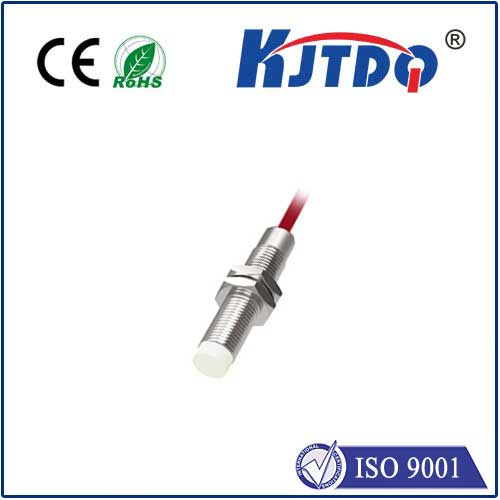
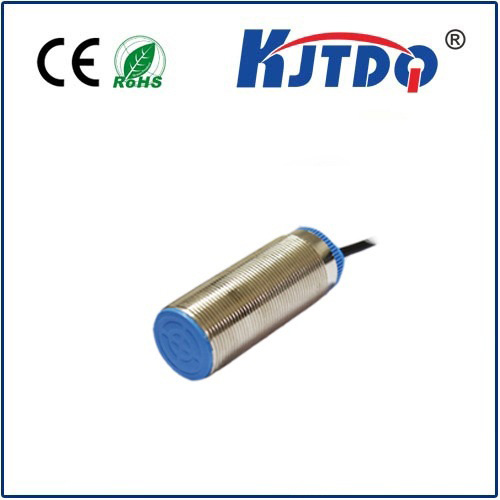
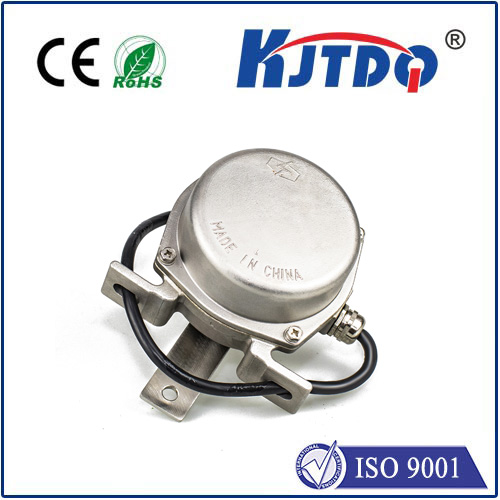
A high temperature micro limit switch is a small snap-action position switch made with heat-tolerant materials, so it can confirm a mechanical position inside hot, cramped machine areas where a full-size limit switch will not fit and a standard microswitch would not last. It is a contact device: a moving part presses its plunger or lever through a short travel, and the contacts snap over to signal the position. KJT Sensors offers compact microswitches with a choice of actuators, electrical ratings and sealed versions, alongside heat-rated limit switches for hot equipment.


Figure 1. KJT Sensors high-temperature micro limit switch for confined industrial spaces.
The operating principle stays the same; the materials and construction change. Any microswitch relies on a short operating travel and a snap-action mechanism, so a small movement of the actuator produces a quick, positive change of contact state. In a hot location, though, a plastic housing can soften and ordinary contacts can lose their reliability as they warm up. A heat-rated design uses materials that keep their shape and contacts intended for elevated temperatures. Heat-rated limit switches in general rely on heat-resistant contacts and metal enclosures, and the same thinking applies on a smaller scale when the switch has to sit inside a hot mechanism.
Because it delivers a definite mechanical confirmation in a very small package. Microswitches combine short operating travel, positive actuation, fast response and compact construction, which makes them easy to fit into narrow gaps in tooling, frames and mechanisms. A larger roller-lever limit switch may simply not fit, and moving it further away would mean adding linkages that bring their own play. A micro limit switch can sit right where the motion ends and still provide clear snap-action feedback.
Like every contact switch, it has moving parts that wear. The plunger, spring and contacts age with each operation, and heat can speed that up, so the expected number of operations and the actual temperature at the switch should both shape the choice.
They are used where position must be confirmed close to a heat source and there is little room to work with. Hot plastic injection moulding gives a clear example. After each shot, the ejector plate pushes the ejector pins forward to release the part and must then return fully before the mould closes again. Checking that the pins have retracted has to happen inside the heated mould base, where space is very limited. A compact heat-rated micro switch mounted so that the returning ejector plate presses its actuator gives a direct, mechanical confirmation of the return position.
Other typical settings include:
oven, dryer and heat-treatment equipment, where small doors, flaps or slides are checked;
packaging machines with heated sealing jaws, where a nearby moving part is verified;
steel and metallurgy plants, where cranes and heavy-duty equipment need travel limiting in hot, dusty, high-vibration surroundings and compact switches serve the smaller mechanisms on them;
compact mechanisms in hot process equipment that need end-of-travel or in-position signals.
| Option | Size | Heat tolerance | Typical reason to choose it |
|---|---|---|---|
| Standard microswitch | Very compact | General industrial | Tight space, ordinary temperature |
| High-temperature micro limit switch | Very compact | Heat-rated materials and contacts | Tight space near a heat source |
| High-temperature limit switch | Larger body, metal enclosure | Heat-rated | More room, heavier actuation near furnaces or ovens |
| Standard limit switch | Larger body | General industrial | Ordinary machine travel limits |
All four are mechanical contact devices. The choice mainly depends on available space, the heat at the mounting point and how forcefully the moving part strikes the actuator.
Measure or estimate the temperature at the switch itself rather than inside the process, since radiant heat from a nearby surface can differ from the surrounding air. Then check how the moving part approaches: a plunger suits a straight push, while a lever or roller helps when the motion is sideways or the stroke is uneven. Make sure the overtravel of the mechanism stays within what the actuator can absorb. Temperature limits, actuator styles and electrical ratings differ between models, so the datasheet of the specific switch is the reference for the final decision.
Is a micro limit switch a contact device?
Yes. The actuator must be physically pressed by the moving part, and that movement snaps the internal contacts to a new state.
Can a standard microswitch be used inside a hot mould base?
It is not recommended. Ordinary housings and contacts are not intended for sustained heat, which is why heat-rated versions exist.
Which actuator suits ejector plate return checks?
A plunger is often used for a straight push from the plate, while a lever helps if the contact point moves slightly sideways. The geometry of the mould decides.
Does a compact switch wear faster than a large one?
Not necessarily, but every microswitch has a finite mechanical life, so operating frequency and temperature should be compared with the model's ratings.