check

check

check

check

check

check

check

check

check

check
A micro limit switch is a small mechanical position switch that confirms where a part of a compact machine has moved to, using a snap-action contact operated by a short actuator stroke. A moving element presses its plunger, lever or roller, the internal contacts change state, and the machine receives a clear electrical signal. KJT Sensors makes microswitches for tight mechanisms where mounting space is restricted, combining compact construction, positive actuation and a choice of actuators and electrical ratings.


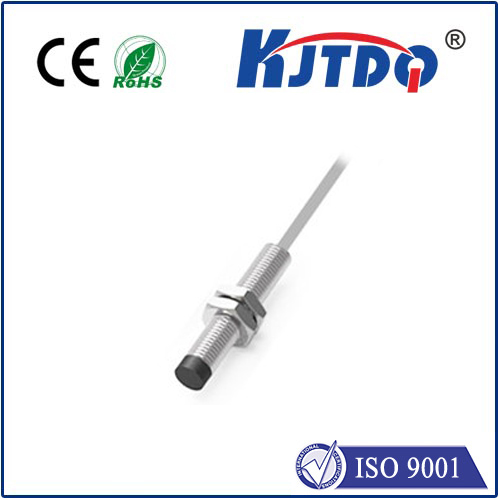
Figure 1. KJT Sensors micro limit switch for compact machine position detection.
It is an electromechanical switch in which physical movement becomes an electrical signal. Three parts do the work. The actuator receives the push or pressure from the moving component. The snap-action mechanism inside the body then flips the contacts quickly once a defined point is reached. Finally, the output side makes or breaks the control circuit.
Because the contacts are driven mechanically, the switch has moving parts and they wear over time like any contact device. The snap action is the reason it is popular in small machines: the contacts change cleanly at a repeatable point instead of creeping open or closed, so the signal is crisp even when the actuator moves slowly.
Because it delivers a definite, physical confirmation in very little space. In a small mechanism, the question is often simple: has the slide reached its end, is the cover closed, has the flap folded? A microswitch answers that by being pressed. Its main roles are precise position detection, mechanical limiting of travel, dependable signal triggering and mode selection, such as telling the controller which of two positions a selector is in.
There is also a practical advantage. The switching point is visible and adjustable by hand, so a technician can see when the actuator is pressed and set the switch by eye during assembly.
They are fitted at a defined point and operated by a moving component, in a wide range of equipment:
automated assembly and packaging machinery, at the end of short strokes;
machine tool covers and access doors, to report whether they are closed;
office equipment and household appliances with lids, trays and small drives;
medical devices and automotive electronics that need compact position feedback;
elevator and door controls that confirm a door or panel has reached its stop.
On a carton packaging machine, a flap tucker folds and pushes the carton flaps in quick succession, and the mechanism leaves only small pockets for any sensor. A micro limit switch with a short lever can sit in such a pocket and confirm that the tucking arm has completed its stroke.
The actuator should match the way the moving part approaches the switch. The table gives a starting point.
| Actuator | Suits |
|---|---|
| Pin plunger | A part that pushes straight onto the switch with a short, precise stroke |
| Hinge lever | Light force or a slightly larger travel, with the lever amplifying motion |
| Roller lever | A cam, slide or edge that moves sideways across the switch |
Beyond the actuator, compare electrical rating and housing. Sealed or high-protection versions exist for machines that see dust, splashing liquid or washdown.
Start with the motion: the direction of approach, the length of stroke available and how far the moving part continues after the switching point. A microswitch needs a small amount of overtravel so that it is pressed fully without being crushed. Then check the space, including clearance for the lever to swing and for the cable to leave the body. Consider the operating rate too, because mechanical life depends on how often the switch cycles. Actuator force, travel and electrical ratings are model-specific, so the datasheet should be compared with the mechanism before the design is frozen.
Does a micro limit switch need physical contact to work?
Yes. The moving part must press the actuator, and that mechanical movement operates the contacts inside.
What does snap action mean in a microswitch?
It means the contacts flip rapidly once the actuator passes a set point, independent of how slowly it is pressed. That gives a clean change of state.
Will a micro limit switch wear out?
Its actuator and contacts are mechanical, so they age with use. Matching the switch to the stroke, force and switching rate of the machine helps it last.
Can a microswitch be used in a dusty or wet machine?
Sealed and high-protection versions are available for such conditions. The protection level of each model is listed on its datasheet.