check
check
check
check
check
check
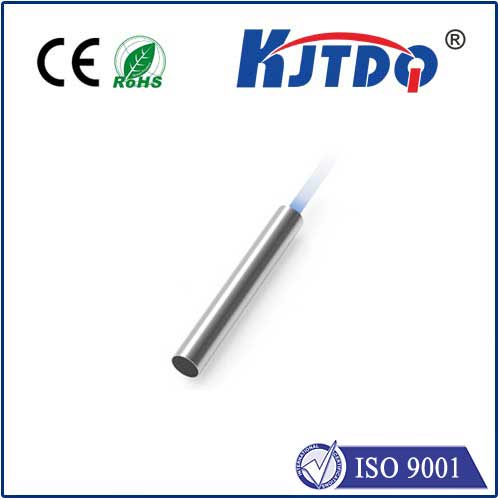
A proximity sensor that detects the machine frame or misses its target is almost always reacting to its mounting environment: surrounding metal inside the sensor's field (especially with non-flush models), a target that is too small or of the wrong material, an operating distance set beyond the reliable margin of the nominal sensing distance, or vibration-induced gap variation. The first safe check is visual: confirm the mounting style (flush vs. non-flush), the clearances around the sensing face, and the target's size and material against the data sheet. Electrical measurements belong to a qualified technician.
The frame-detection symptom is usually a mounting problem, not a defective sensor. Metal beside or behind the sensing face — within the model's required clear zone — becomes part of what the sensor detects.
Flush and non-flush models have opposite installation rules. A non-flush sensor mounted like a flush one (embedded in metal) will false-trigger; a flush sensor given excessive side clearance wastes range.
Nominal sensing distance is not guaranteed operating distance. Data-sheet sensing distance is defined for a standard steel target under reference conditions; real targets (smaller, aluminum, angled) reduce it — design with margin.
Target material correction is real physics. Aluminum, brass and stainless steel typically yield shorter effective distances than mild steel; the correction factors are model-specific and live in the data sheet.
Missed targets after a machine change (new bracket, new target flag, faster cycle) call for the full checklist below before any replacement is ordered.
Two opposite symptoms, one cause family:
Frame detection / permanent ON — the sensor signals "target present" with no target, typically immediately after installation or a bracket change;
Missed target — the sensor fails to switch when the target passes, or switches only at a much shorter distance than expected.
Chatter at the switching point (rapid ON/OFF at one position) is treated here as a distance-margin symptom — the target sits right at the edge of the reliable zone, and hysteresis or vibration tips it back and forth.