check
check
check
check
check
check
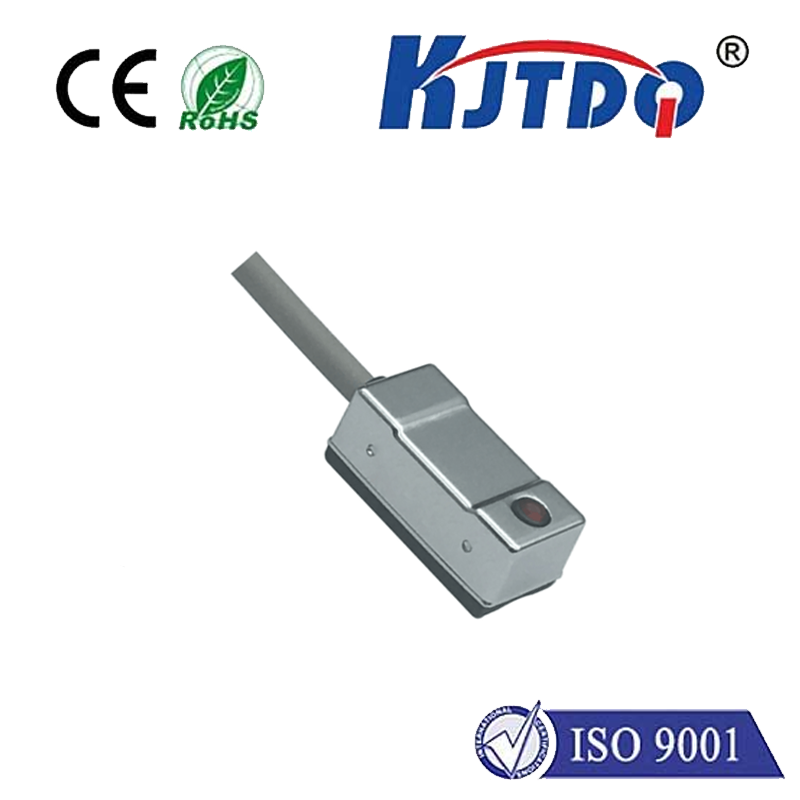
A cylinder magnetic sensor that switches twice on one piston pass is usually seeing a magnet-field structure with two actuation zones — the piston ring's field has leading and trailing edges, and a sensor positioned where both edges cross it produces two pulses — or it is responding to vibration/other magnetic fields near the trip point. A lost end signal usually means the sensor sits where the piston magnet's field is too weak (position error), the piston physically does not reach the sensing zone (stroke/cushioning issue), or the speed is too high for the input chain to register. The first safe check is positional: with the machine at rest, hand-move the piston (or jog per site procedure) and map exactly where the sensor switches along the stroke. All checks near moving machinery are stopped-machine work.
A piston magnet has a field profile, not a point. The ring magnet produces a detectable zone with edges; where the sensor sits inside that zone determines single, double or lost switching. Position is the application.
Double switching is classic edge-crossing. Both field edges crossing the sensor's hysteresis band produce two pulses per pass; moving the sensor fully inside (or outside) the zone — or selecting appropriate hysteresis — resolves it.
Lost end signal is usually geometry. The sensor sits beyond the magnet's reach at full extension, the piston does not fully stroke (cushioning, mechanical stop), or the magnet has weakened — each has a distinct check.
Speed interacts with the input chain. A fast piston can produce a shorter ON-time than the PLC input filter or scan accepts; the sensor switched — the logic missed it.
Nearby magnetism and vibration fake both symptoms. Welding fixtures, adjacent cylinders' magnets and bracket vibration move the sensor's effective trip point; correlation with machine state identifies them.