check
check
check
check
check
check
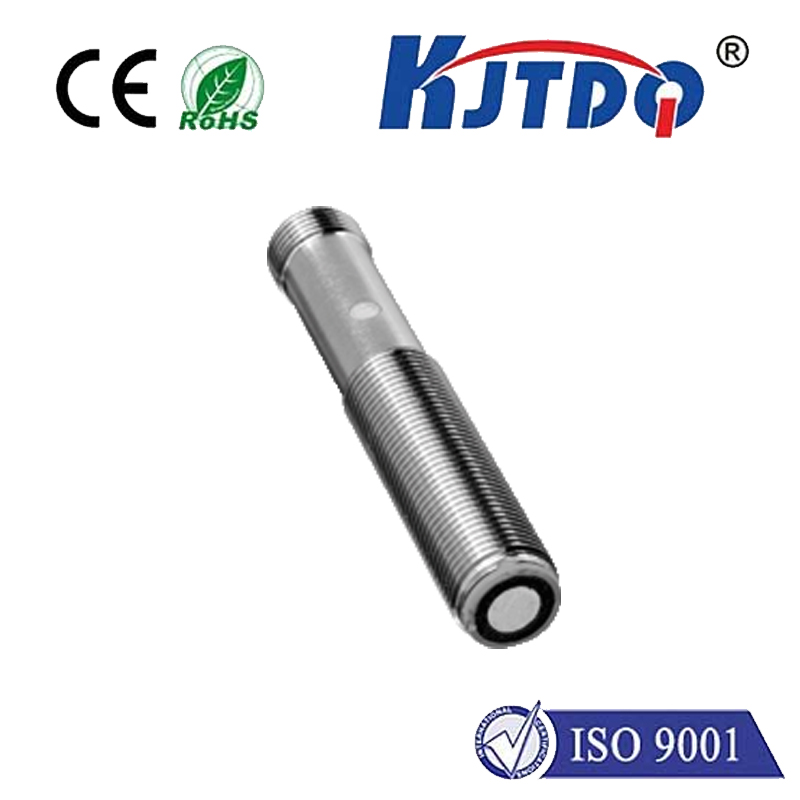
Choose a level sensor for difficult atmospheres by identifying which condition attacks the measurement, then selecting the technology that tolerates it: heavy dust, steam and vapors favor radar (electromagnetic waves pass through the atmosphere largely unaffected); severe foam favors radar or a point-level technology that reads through or ignores the foam; condensation on the sensor face attacks ultrasonic transducers hardest and requires mounting, heating or radar instead. KJT Sensors offers radar and ultrasonic level measurement; the exact choice is confirmed per medium, vessel and atmosphere data.
The atmosphere is the application. In clean conditions almost any level technology works; dust, foam and condensation are what eliminate candidates. Define them first.
Radar is the default for hostile tank atmospheres — dust, vapor, steam and temperature gradients affect electromagnetic propagation far less than sound. KJT Sensors' own level documentation states radar has stronger interference resistance in complex conditions such as steam, bubbles and dust (manufacturer-stated).
Ultrasonic remains valid where its enemies are absent — moderate conditions, clean transducer faces, temperatures within compensation — and is often the simpler installation.
Foam is a separate problem from dust: light foam may absorb or scatter the signal (both radar and ultrasonic); the question is whether the device reads the liquid surface through the foam, the foam top, or nothing at all — decide which reading the process needs.