check
check
check
check
check
check
An outdoor sensor false-triggers in rain, fog or sunlight because the weather changes the optical or radio environment the sensor was commissioned in: direct or reflected sunlight saturates optical receivers and erodes switching margins; rain and fog scatter light beams and can generate returns or dropouts; daily temperature cycles drive condensation on lenses and enclosures; outdoor wiring carries surge and grounding differences that mimic sensor faults; and wind-driven alignment drift changes the geometry. The first safe check is correlation — log every false trigger against weather, sun direction and time of day; the pattern usually names the mechanism. Outdoor electrical work (surge protection, grounding, enclosures) is qualified-personnel work; weather exposure does not lower electrical-safety standards.
Weather correlation is the diagnosis. Faults that cluster at low sun angles, during rainfall, at fog events or at temperature transitions each point to a different mechanism — the correlation log (this article's original asset) converts an "outdoor mystery" into a named cause.
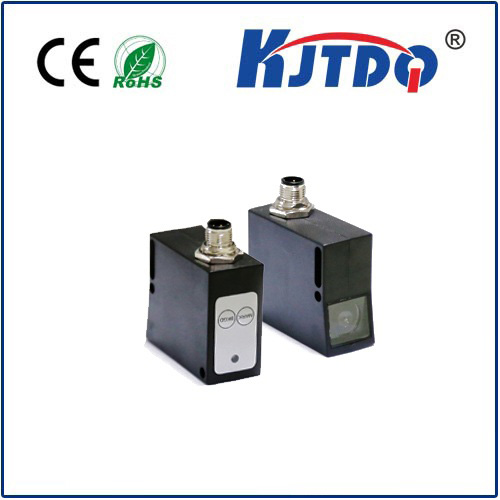
Sunlight is a saturation and geometry problem. Early/late low sun enters receivers directly or via wet-surface reflection; shading, re-aiming and receivers designed for strong light are the countermeasures. KJT Sensors' ToF photoelectric family states outdoor, sunlight-resistant operation (manufacturer-stated).
Rain and fog attack optics, not usually radar. Optical scatter in rain/fog can produce marginal signals or false returns; radar's radio wavelengths are far less affected by precipitation in general comparison — the technology trade-off is in the distance-technology guide ({{URL_F04}}).
Condensation follows the temperature cycle. Dew on the lens each morning is a weather-cycle signature, not a sensor defect; housings, shades and mounting geometry address it.
Outdoor wiring is its own fault family. Surge events and grounding differences damage or disturb electronics in ways that look like sensor misbehavior — a qualified electrical review is part of any outdoor installation, and any surge-procedure content requires that review.