

check

check

check

check

check

check

check

check

check

check
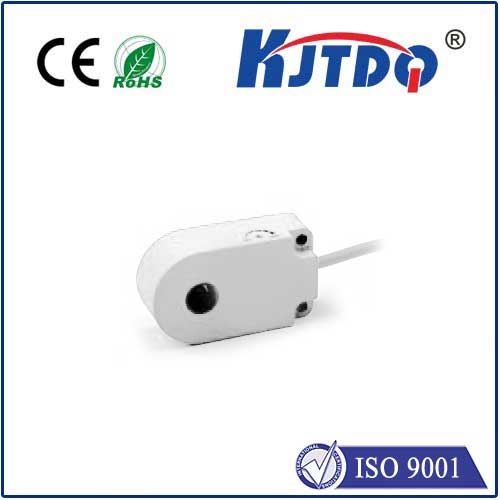
A low temperature inductive proximity sensor is a metal-detecting switch built to keep working reliably in freezer rooms, chilled warehouses and outdoor equipment exposed to frost. It senses steel or aluminium parts through an electromagnetic field, with no physical contact, so ice, condensation and stiff lubricants do not interfere with a moving lever or roller. KJT Sensors supplies low-temperature versions of its inductive range for cold storage automation, where cranes, shuttles, doors and conveyors need dependable position signals at sub-zero temperatures.

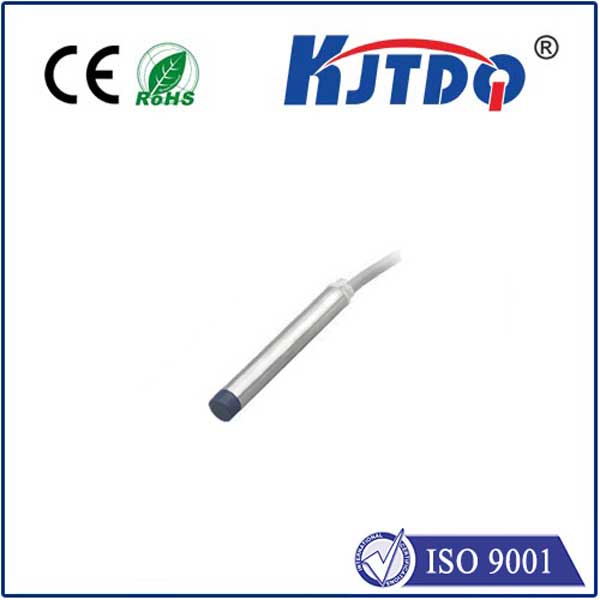
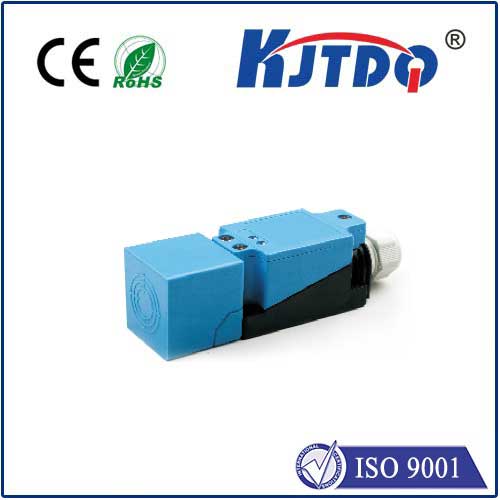
Figure 1. KJT Sensors low-temperature inductive proximity sensor for cold-storage machinery.
Cold attacks the parts around the sensing element more than the principle itself. Plastic housings and cable jackets become stiff and brittle, seals harden, and repeated movement between a freezer and a warmer loading dock lets moisture condense and then freeze on the device. A cable that flexes on a moving carriage can crack if its jacket is not meant for low temperatures. The electronics also shift slightly as they cool, which can move the switching point. Shielding, temperature compensation and protection circuits reduce temperature drift as well as electromagnetic interference, short-circuit and reverse-polarity risks. A sensor intended for cold rooms is built so that its housing, cable and internal circuitry stay stable across that duty.
It detects metal through a field, so frost on the target does not stop it from switching. Think of the sensing face as a small alternating magnet that is constantly listening to its own oscillator. Bring a conductive part close and induced currents in that part soak up some of the oscillator's energy; the sensor reads the drop and changes its switching output. A thin layer of ice or condensation is not metal, so it does not register, while the steel flag, rail bracket or pallet runner underneath still does.
That is a clear advantage over mechanical switches in a freezer. A lever that has to be struck can stick under ice or lose its spring action. An inductive sensor does not touch the target, so it handles frequent switching, continuous operation and long service without contact wear.
Position, presence and motion checks on metal parts make up most of the work. Typical uses include:
end-of-travel and in-position confirmation for stacker cranes and aisle shuttles;
door position on freezer entrances, where the door frame or a fitted plate is metal;
presence of metal pallets, crates or carriers on chilled conveyors;
counting of passing metal parts and monitoring whether a drive or roller is moving.
Sub-zero automated cranes are a good example. The carriage moves constantly, so the sensor must switch reliably every time a metal marker passes, and its cable has to stay flexible as it follows the carriage through the cold aisle.
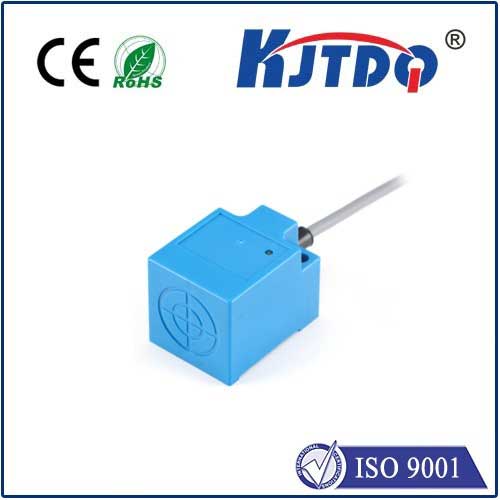
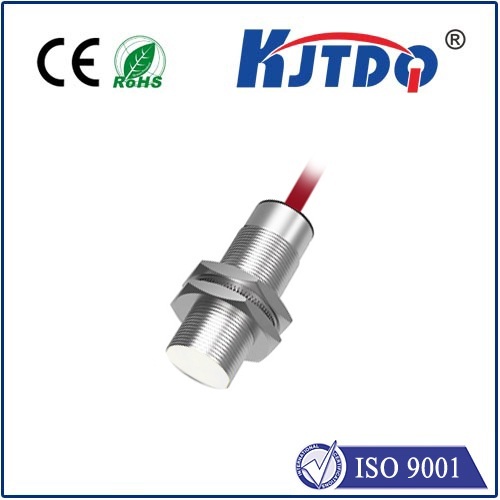
The shape follows the mechanism. Cylindrical sensors fit standard brackets on frames and door posts. Square and flat-profile bodies sit well on low-clearance guide rails and slide carriages, which are common on shuttles and lift tables. Miniature inductive sensors suit compact mechanisms where space is short, and all-metal designs with a stainless steel face and housing help where pallets or forks may knock the sensor.
| Equipment area | Practical housing choice | Reason |
|---|---|---|
| Crane carriage and rail ends | Flat or square body | Low clearance along the guide |
| Freezer door frame | Cylindrical body | Simple bracket mounting |
| Pallet conveyor sides | All-metal body | Resists knocks from loads |
| Compact transfer mechanisms | Miniature body | Fits in tight space |
Check the lowest temperature the sensor will see, including any outdoor or blast-freezer sections, and whether it will cycle between cold and warm areas. Confirm that the target is metal; plastic crates or wrapped goods need a capacitive or optical device instead. Then check whether the cable is static or flexing, the space available and the sensing range needed. The temperature limits, cable type and electrical details are listed in each model's datasheet and should be compared with the real operating conditions.
Does ice on the target stop an inductive sensor from detecting it?
A thin frost layer does not, because the sensor reacts to the metal beneath it. Heavy ice build-up on the sensor face itself should still be cleared during routine inspections.
Can the same sensor detect plastic crates in a freezer?
No. Inductive sensors detect metal only. Capacitive sensors are the usual choice for non-metal containers.
Why does the cable matter so much in cold storage?
Cable jackets stiffen in the cold, and on moving equipment they flex constantly, so a cold-rated cable keeps the connection intact over time.
Are low temperature inductive sensors useful outside the freezer?
Yes. The same versions suit outdoor equipment that freezes in winter, such as gates, loading machinery and yard conveyors.