
check

check

check

check

check

check

check

check

check

check
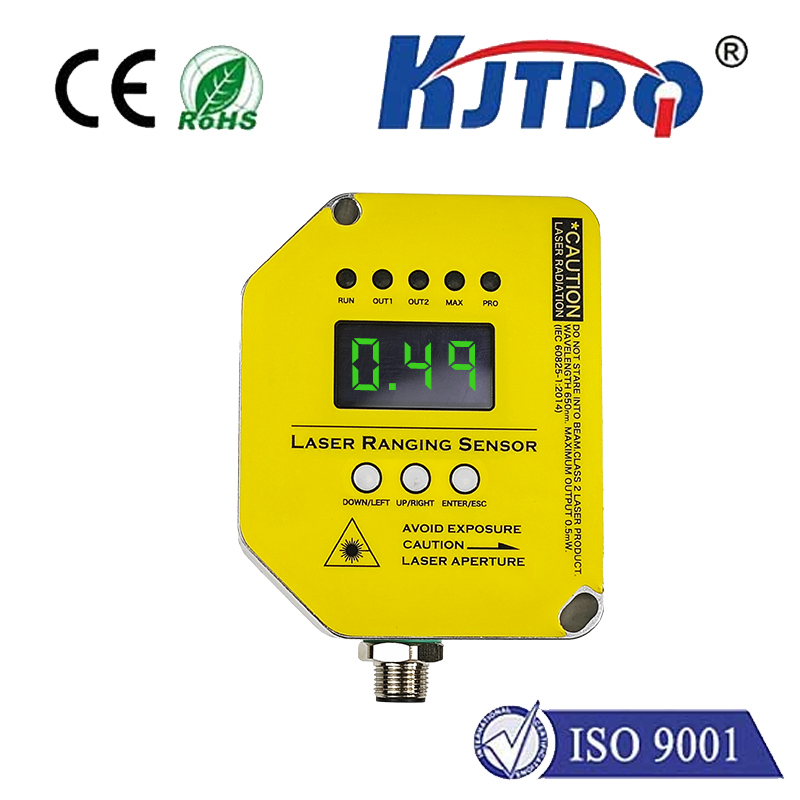
An industrial laser distance sensor positions machine axes and loads by measuring how far away a target is with a beam of light, without touching it. It turns a changing distance into a signal the control system can use, so a carriage, shuttle or fork knows where it stands and where it must stop. KJT Sensors designs its laser sensor for machine positioning around shop-floor needs: distance detection, position determination, target identification and accurate measurement on automated equipment.


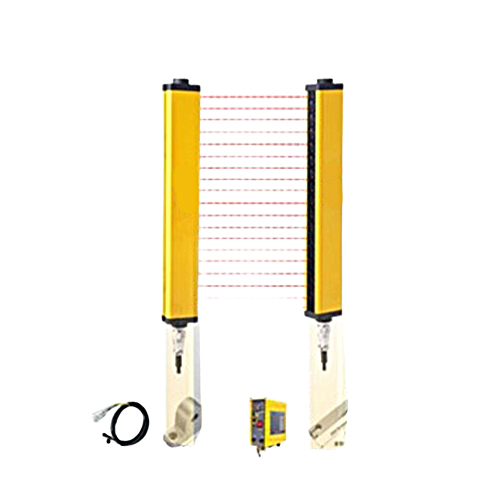
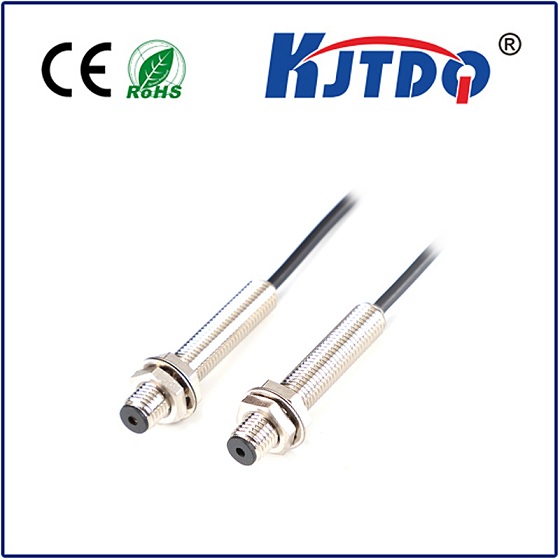
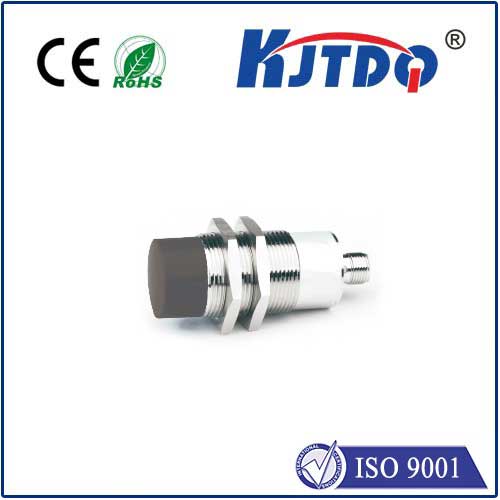
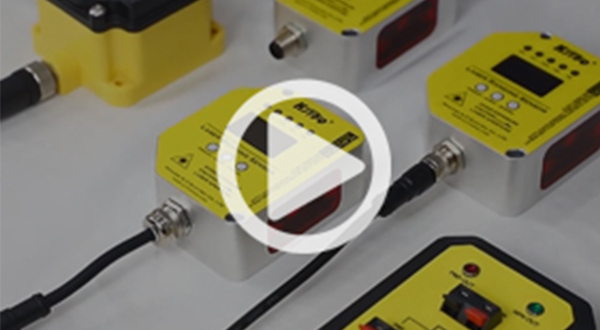
Figure 1. KJT Sensors industrial laser distance sensor range for machine positioning.
It sends a beam to a surface, receives the reflected light and works out the distance from that return. As the machine moves, the measured value moves with it, and the controller compares the reading with the set position. The core function is simple to state: changes in distance on site become a signal that the control system can recognise and act on.
Because the measurement is optical, the sensor never presses on the part it is watching. Nothing in the measuring path wears from contact with the workpiece, and soft, hot or freshly finished surfaces are left untouched.
It pays off wherever a machine needs a live distance value rather than a simple yes-or-no answer. Typical cases include:
positioning stacker cranes and shuttle vehicles in automated warehouses, and checking storage locations;
collision avoidance between traveling or overhead cranes that share a runway;
guiding AGVs and mobile robots during positioning and obstacle avoidance;
measuring material height and roll diameter so a winder or feeder can adapt;
confirming that a part or tool has reached its station on an automated line;
closing a control loop on a production line by feeding back the actual distance.
A press brake backgauge shows the idea in a sheet-metal shop. As the gauge moves, a laser sensor can track the sheet edge continuously, giving the controller an actual position to compare against the bend program instead of relying only on the axis encoder.
Both measure distance with light, and the product range lists them side by side, but they serve different positioning tasks. A distance sensor typically covers longer gaps and answers "how far is the object?", which suits cranes, shuttles and storage racks. A displacement sensor works over a shorter span and tracks small changes in the height of a surface, which suits in-line measurement, quality decisions and fine closed-loop control.
| Positioning task | Better match |
|---|---|
| Crane, shuttle or stacker travel | laser distance sensor |
| Warehouse slot and storage-location checks | laser distance sensor |
| Thickness or surface-height variation on a part | laser displacement sensor |
| Automated quality inspection in line | laser displacement sensor |
The KJT Sensors TLS series includes non-contact laser sensors for both distance and displacement work, so one supplier can cover the long and the short end of a machine.
An optical sensor gives continuous position feedback, which a distance switch cannot. A switch only reports whether something is inside its window; a laser sensor reports the actual value, so the controller can slow down, correct and stop exactly where required. Compared with contact gauges, it also reduces wear on the workpiece and cuts manual intervention, which is why it fits automated inspection and positioning so naturally.
Yes. Besides housed sensors for mounting on a frame, there are OEM laser distance modules that supply the core optical measuring function for embedding directly in a host machine or system. Machine builders use them when the distance reading should be part of their own design rather than a separate bolt-on device. Whether housed or embedded, the range, resolution and output details depend on the model, and the target surface should be described during application review.
Does a laser positioning sensor touch the workpiece?
No. It measures distance from reflected light, so the surface being positioned is never contacted or marked.
Can one sensor handle crane collision avoidance and fine part measurement?
Usually not with the same model. Long gaps between cranes call for a distance sensor, while small surface changes on a part call for a displacement sensor.
What does the controller receive from the sensor?
A signal that reflects the measured distance, which the control system compares with the set position to decide when to slow, stop or correct.
Is there a version for machine builders who want to integrate the optics?
Yes. OEM laser distance modules are designed to be embedded in a host machine as its own distance-measuring component.