check

check

check

check

check

check

check

check

check

check
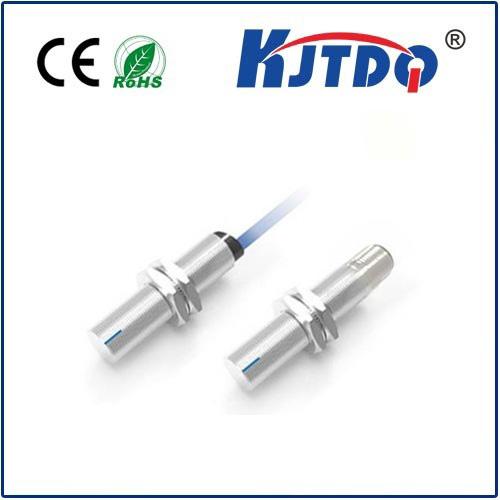
A long range inductive proximity sensor is a metal-detecting proximity switch built to respond to its target from a greater gap than a standard inductive sensor of similar size. The extra clearance lets the sensor sit back from moving machine parts, which lowers the chance of a collision between the target and the sensor face while keeping detection fully contactless. KJT Sensors offers long sensing distance versions within its inductive range for position, presence and motion checks on metal objects where a close mounting gap is awkward or risky.


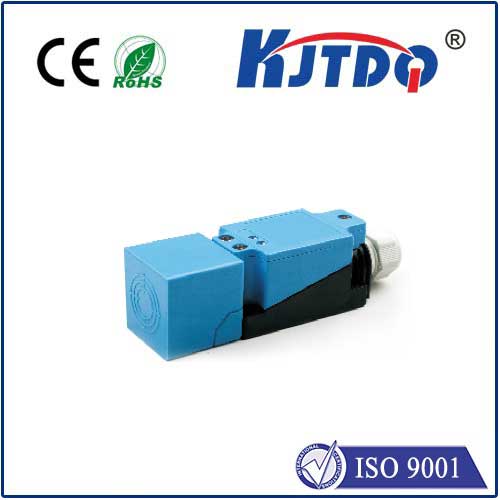
Figure 1. KJT Sensors long-range inductive proximity sensor for non-contact metal detection.
Mainly to keep the sensor out of harm's way. A standard inductive sensor often has to be mounted very close to the moving part, so any play in a slide, a swinging bracket or a part that sits slightly out of line can strike the sensing face. A long range design detects metal targets at an extended separation, which gives that moving part more room to pass. The sensor keeps doing ordinary inductive work, such as confirming that a carriage is in position, that a cam has turned or that a metal part is present, but it does so from a safer distance.
A larger gap also helps when the target itself is not perfectly consistent. Parts with slightly varying height, mechanisms that flex under load or rotating parts with a little runout are easier to detect reliably when the sensor is not working at the edge of a very short range.
It projects an alternating electromagnetic field from its face and watches for a metal object that disturbs it. An internal oscillator drives a coil to create this field. When a metal target enters it, eddy currents form in the metal and absorb energy from the oscillator, so its oscillation weakens. The sensor's electronics detect that change and switch the output. Long range designs are built so that the usable field reaches further from the face. The principle does not change, though: there is no physical contact, and only metal targets produce a response.
That last point shapes where the sensor can be used. A long range inductive sensor will not detect plastic crates, cardboard, glass or liquids, however close they come. For non-metallic materials, transparent containers, powder silos or liquid tanks, a capacitive proximity sensor is the usual alternative.
It fits machines where metal parts must be detected but a tight mounting gap would put the sensor at risk. Typical examples include:
conveyor and transfer equipment where metal carriers or pallets pass the sensor with some sideways play;
slides, gates and swinging arms whose end position is checked without placing the sensor in the path of travel;
rotating shafts, cams and gears monitored for movement or speed from a comfortable clearance;
heavy handling equipment where a direct hit on the sensor face would be costly.
In each case the sensor supports the familiar tasks of an inductive proximity switch: position detection, presence detection, counting, end-of-travel protection and equipment status monitoring.
| Option | How it detects | Main reason to choose it |
|---|---|---|
| Long range inductive sensor | Electromagnetic field, metal only | More clearance between sensor and moving metal part |
| Standard inductive sensor | Electromagnetic field, metal only | Compact size where a close gap is acceptable |
| All-metal inductive sensor | Electromagnetic field through stainless face | Face that tolerates impact and abrasion |
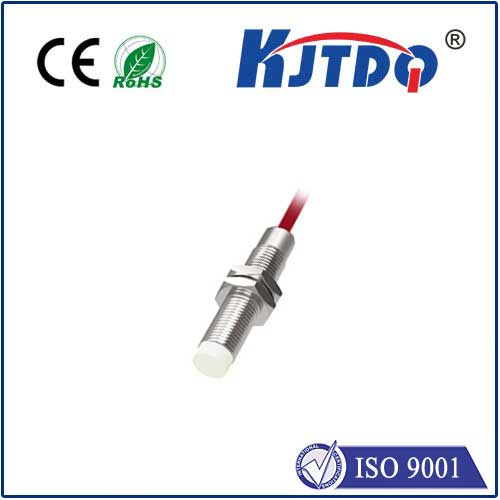
| Mechanical position switch | Physical actuation by the moving part | Direct contact confirmation |
Compared with a mechanical switch, an inductive sensor does not rely on the target pushing an actuator. It is therefore well suited to high switching frequency, continuous production and long service periods. Where impact is unavoidable even at a longer gap, an all-metal sensor with a stainless sensing face and housing is the more rugged choice.
Mostly the target. The rated sensing distance applies to a standard steel target, and other metals, thinner parts or smaller faces usually reduce the effective range. The surrounding metal also matters, because a mounting bracket or machine frame inside the field can influence switching. Exact range, housing style and output type depend on the model, so check the datasheet and, where the gap is critical, test with the real target.
Does a long range inductive sensor detect non-metal objects further away?
No. The longer reach applies only to metal targets; non-metallic materials are not detected at any distance.
Is the longer range the same for aluminium as for steel?
Usually not. Non-ferrous metals typically reduce the effective sensing distance, so the datasheet correction for the target material should be checked.
Why not simply mount a standard sensor closer to the part?
A closer gap leaves less room for vibration, misalignment or play in the mechanism, and increases the chance that the moving part strikes the sensor face.
Can it replace a mechanical end-of-travel switch?
In many automation tasks it can confirm end position without contact, which suits frequent switching and continuous running. The decision depends on the machine's requirements.