

check

check

check

check

check

check

check

check

check

check
A square inductive proximity sensor is a block-shaped metal detector with a flat back and a flat sensing face, designed to sit tight against a machine surface where a threaded cylindrical sensor would stick out too far. It suits low-clearance linear guide rails, slide carriages and compact frames. Like any inductive sensor, it notices a metal target through its electromagnetic field and never touches it. KJT Sensors supplies square and flat-profile versions for machines where the shape of the housing matters as much as the sensing itself.

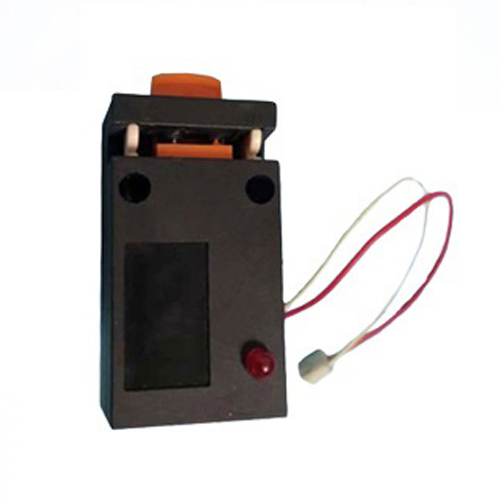
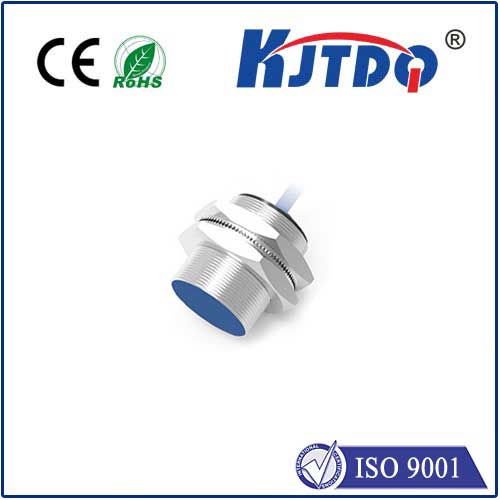
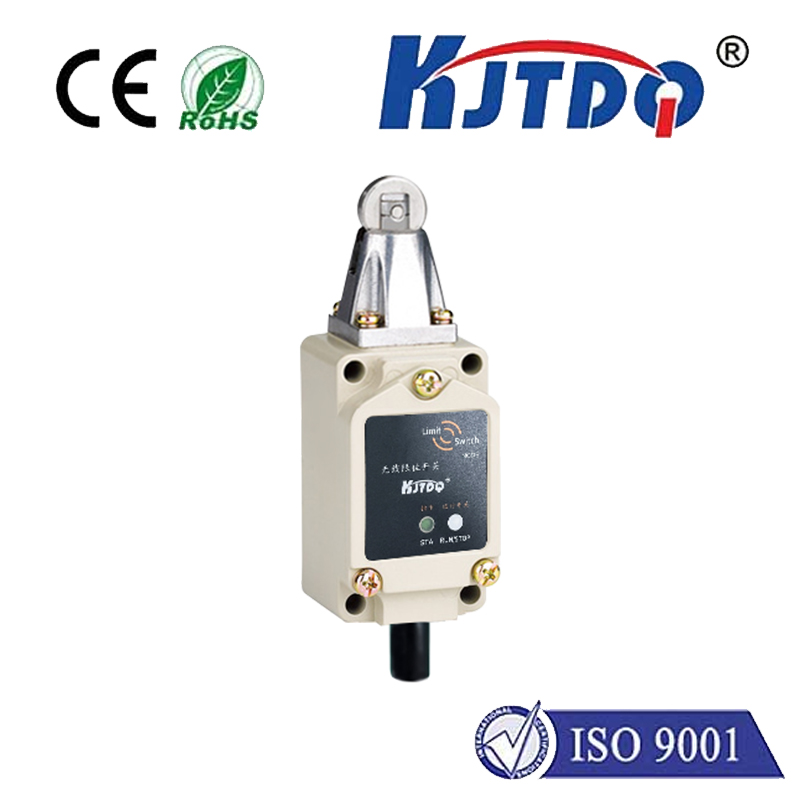
Figure 1. KJT Sensors rectangular inductive proximity sensor for flat machine mounting.
The deciding factor is usually space and geometry, not sensing performance. A cylindrical sensor needs a bracket or a threaded hole and projects outward along its axis. On a low-clearance slide that projection can foul a moving carriage, a cable chain or a guard. A square body instead lies against the casting or rail, so its height above the surface stays small and its sensing face looks sideways or upward at the target. On a machine tool linear slide, for instance, a flat sensor can be screwed directly to the casting beside the rail and watch a metal flag on the carriage, while a barrel sensor in the same spot would collide with the moving parts.
It works on the same induction principle as any other inductive proximity sensor. An oscillator inside the block generates an alternating field in front of the sensing face. When a metal target enters that field, eddy currents form in the metal, the oscillation weakens, and the electronics translate the change into a switching output. Only conductive targets affect the field, so a steel flag, cam or carriage plate will be detected while plastic covers and wiper strips will not. Since the target never touches the face, the sensor does not wear through use and copes well with frequent switching and long production runs.
The shape affects how the sensor is fixed, aligned and protected, while the detection itself stays the same. It helps to think of the device as several functional parts: the induction detection element, the signal output, the mechanical mounting, adaptation to the operating environment, protection and reliability features, and integration into the wider machine. A square sensor mainly reworks the mounting part of that list.
| Consideration | Square flat-mount sensor | Cylindrical threaded sensor |
|---|---|---|
| Fixing method | Screws through the body onto a flat surface | Nuts on a threaded barrel, usually with a bracket |
| Height above the surface | Low | Grows with barrel length |
| Sensing direction | Often selectable face on the block | Along the barrel axis |
| Typical location | Guide rails, slide carriages, compact frames | Brackets, panels, open machine areas |
Choosing between them is mostly about the space envelope. Sensing distance, output type and environmental protection should still be checked on the datasheet for each specific model.
They are common anywhere a moving metal part travels close to a flat machine surface. Typical locations include:
end and home positions on linear guide rails and slide carriages;
in-position checks for metal fixtures on assembly tables;
motion monitoring of plates, cams or flags on compact mechanisms;
presence detection inside narrow frames where a barrel sensor cannot turn or be adjusted.
In each case the sensor answers the same questions any inductive sensor does: is the metal part here, has it arrived, and is it still moving.
Does a square sensor detect non-metal targets?
No. Like every inductive sensor, it responds only to metal. For plastic, liquid or bulk material a capacitive sensor is the better fit.
Is a square sensor less durable than a cylindrical one?
Not inherently. Durability depends on the housing material and protection level of the particular model, which are listed on its datasheet.
Can a flat-mount sensor replace an existing barrel sensor?
It can, provided the target, sensing distance and output type match. Because the mounting is different, the bracket or fixing surface usually changes too, so the layout should be reviewed first.
What kind of target suits a square sensor?
A flat steel flag or plate passing parallel to the sensing face gives a clear, repeatable signal and makes alignment straightforward.
Inductive vs Capacitive Proximity Sensors: Which Should You Use?
Why Does a Proximity Sensor Detect the Machine Frame or Miss the Target?