

check

check

check

check

check

check

check

check

check

check
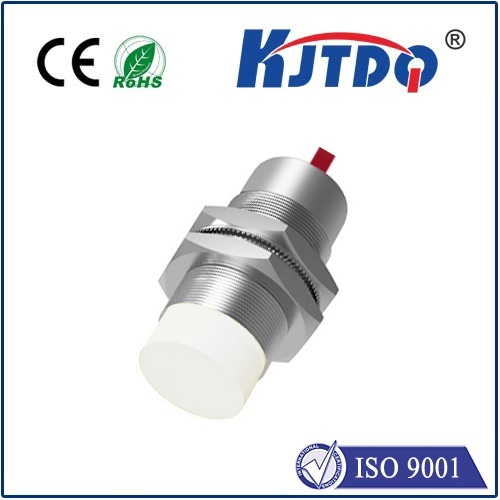
A corrosion resistant inductive proximity sensor detects metal parts without touching them while its housing and sensing face stand up to the chemicals, cleaning agents and wet air found in process plants. KJT Sensors builds its chemical-resistant inductive sensor on the same electromagnetic principle as its standard proximity switches, so the detection behaviour stays familiar; what changes is the material that faces the aggressive environment. That combination suits valve positions, conveyor parts and machine elements in petrochemical and similar facilities.

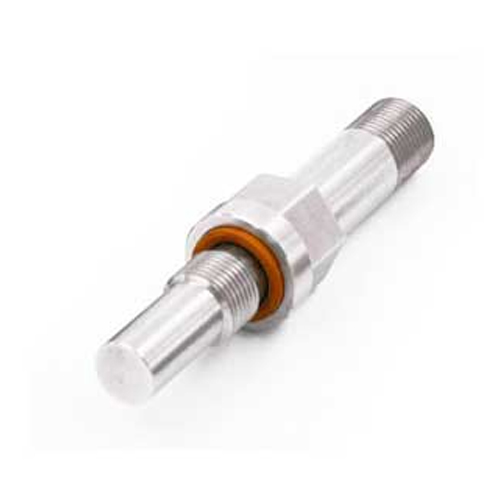
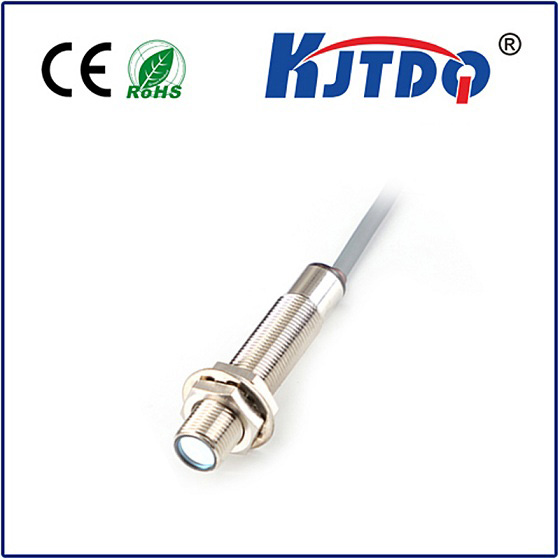
Figure 1. KJT Sensors corrosion-resistant inductive proximity sensor for chemical processing environments.
Most general-purpose inductive sensors are designed for dry machine shops, and their housing materials are chosen for cost and machinability rather than chemical exposure. Splashes of process media, acidic or alkaline vapour and repeated wet cleaning slowly attack plated metal and some plastics. Once the surface is pitted or swollen, the seal around the sensing face can loosen and moisture reaches the electronics.
A food packaging line gives a clear example outside heavy chemistry. Where a conveyor is washed down every shift with caustic detergent, a nickel-plated brass barrel can lose its plating over time, while a sensor with a more resistant body keeps its surface intact. The same logic applies to dosing skids, tank farms and chemical-material conveyors.
The sensor face carries an alternating electromagnetic field generated by an internal oscillator. A steel or aluminium part entering this zone picks up induced circulating currents, and those losses damp the oscillation that the sensor keeps watching. The electronics turn that change into a switching signal or another output the controller can read.
Nothing touches the target, and that has practical value in a chemical setting. The sensor does not depend on a lever or plunger that could seize under crystallised residue, and it can switch frequently over long production runs. It also means only the outer surfaces see the medium, which is why housing and face materials are the main design question.
The aim is a body and sensing face that the local chemicals do not attack. Stainless steel is a common answer: all-metal inductive sensors with a stainless face and housing also resist mechanical impact and abrasive contact, which helps where hoses, tools or bulk material may strike the sensor. For some media a suitable plastic face or coating is the better match, because certain chemicals that attack metal leave plastics alone and the reverse is also true.
| Exposure | Point to check in the material choice |
|---|---|
| Caustic washdown detergents | resistance of housing and face to alkaline cleaning |
| Acidic vapour or splash | whether the metal grade or plastic tolerates the acid |
| Abrasive or impact-prone areas | an all-metal stainless face and body |
| Constant wet cleaning | seal integrity around the face and cable entry |
The table frames the questions; the actual chemical resistance of each housing material belongs to the model datasheet, and the medium should be named during application review.
No. An inductive sensor responds to metal targets only. In a chemical plant that is often an advantage, because the sensor can see a steel valve flag or a metal conveyor part through a background of plastic piping and process fluid without reacting to them.
When the job is to sense a liquid level, a powder or a plastic part, a capacitive proximity sensor is the right tool. It works through changes in an electrostatic field and can register both metallic and non-metallic material, including liquids, granules, glass and rubber.
The broader proximity range from KJT Sensors covers ordinary automation and harsher duty, and it is applied across mechanical manufacturing, food, plastics, steel, coal mining and petrochemical work. On chemical sites the corrosion-resistant inductive version typically handles:
metal position and in-position checks on valves, gates and dampers;
motion and speed status of conveyor rollers, shafts and chain links in material handling;
end-of-travel detection on sliding covers, dosing arms and filling heads;
part counting on packaging lines that are cleaned with aggressive agents.
Is a corrosion-resistant inductive sensor still non-contact?
Yes. It senses metal through its electromagnetic field and never touches the target. Only the housing and face materials differ from a standard model.
Can stainless steel housings handle every chemical?
Not every one. Stainless steel resists many cleaning agents and process media, but some acids call for a different metal grade or a plastic face, so the medium should be checked against the datasheet.
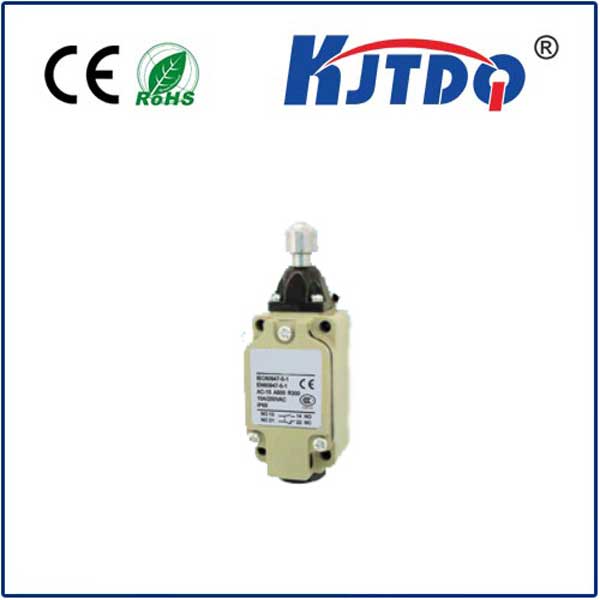
Why not use a mechanical limit switch near corrosive media?
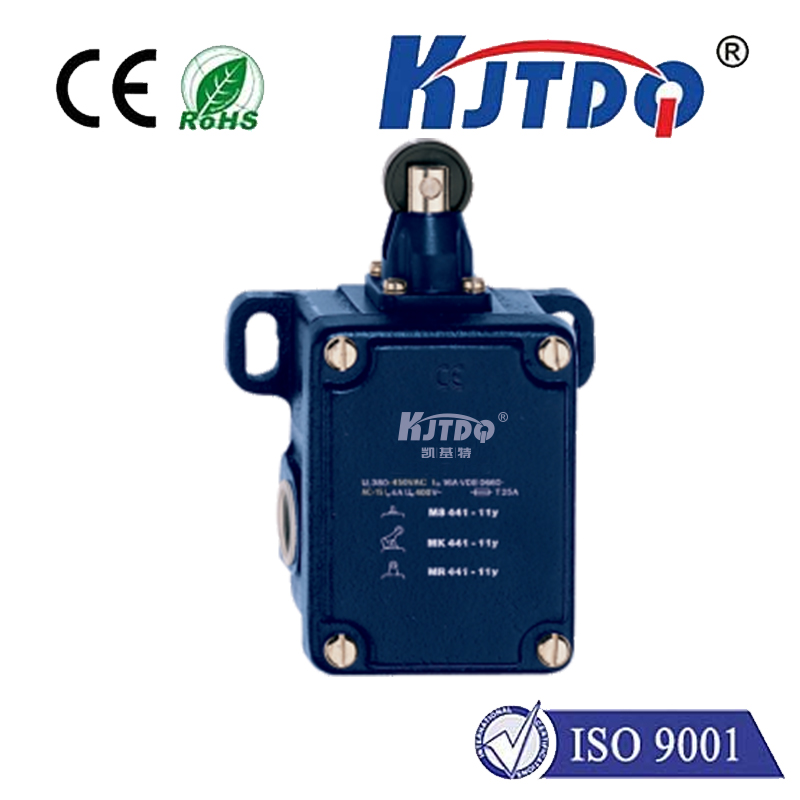
A limit switch needs a moving actuator, and residues or corrosion can stiffen it. An inductive sensor has no actuator to stick and suits frequent switching over long periods.
What if the target is a plastic tank wall rather than metal?
Then an inductive sensor will not see it. A capacitive proximity sensor is the usual choice for plastic, liquid and powder targets.
Inductive vs Capacitive Proximity Sensors: Which Should You Use?
Why Does a Proximity Sensor Detect the Machine Frame or Miss the Target?