

check

check

check

check

check

check

check

check

check

check
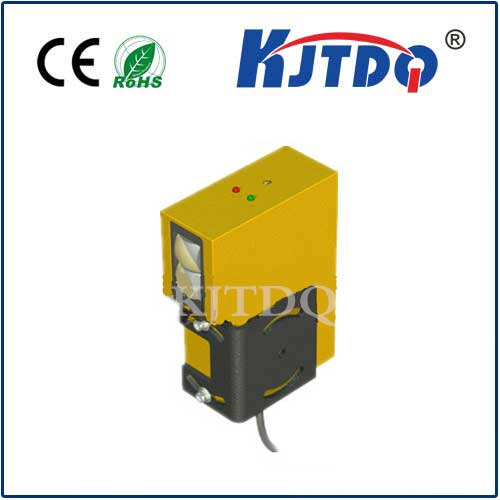
The HMD5-4Z2-L low-temperature hot metal detector provides broad-span optical workpiece tracking from 300°C warm steel up to 1400°C molten metal. Featuring an extended-spectrum infrared receiver, DC24V power input, and dual-contact relay output (4Z2-L), it tracks workpieces across fluctuating thermal transitions. KJT Sensors manufactures the HMD5-4Z2-L with heavy-duty air-purge hoods for continuous mill automation.
In many metallurgical processes—such as reheating furnace discharge, warm rolling, induction heating lines, and hot stamping—workpiece temperatures vary widely between startup cycles and full-speed production. Sensors with narrow temperature spans fail during line warm-up.
The HMD5-4Z2-L features a dynamic optical receiver circuit that maintains stable detection across an extensive span from 300°C dull-heat metal to 1400°C glowing steel, eliminating sensor blind spots during operational temperature transitions.
Detecting steel below 400°C requires high-gain optical amplification because infrared emissions are faint compared to incandescent metal. The HMD5-4Z2-L incorporates low-noise preamplifiers and optimized optical bandpass lenses.
This high optical sensitivity captures weak thermal radiation from warm billets, pipe ends, and aluminum extrusions while internal electronic filtering rejects ambient factory lighting and false reflections from machine frames.
The 4Z2-L suffix designates a DC24V powered instrument with a specialized dual-contact relay output stage and heavy-duty circular quick-connector. The dual isolated contacts allow simultaneous control of two independent electrical circuits.
Control engineers can wire one contact to the primary PLC tracking input while routing the second contact to a local indicator lamp or hardwired safety interlock without adding auxiliary signal relays.
The sensor body is cast from heavy-duty aluminum alloy with thick structural walls and sealed with resilient o-rings to IP66 standards. An integrated air-purge hood directs compressed air across the front optical window.
This continuous air barrier prevents scale dust, oil vapor, and steam from accumulating on the lens, while an optional water-cooling jacket protects internal electronics when installed near furnace discharge doors.
| Technical Parameter | Specification & Feature |
|---|---|
| Temperature Span | Broad optical detection window from 300°C to 1400°C |
| Electrical Supply | DC24V industrial control voltage |
| Output Configuration | 4Z2-L dual-contact isolated electromechanical relay |
| Connection Format | -L heavy-duty molded cable with circular quick-disconnect |
| Enclosure Sealing | IP66 dust-tight and high-pressure water spray barrier |
| Purge Protection | Integrated compressed air purge hood standard |
Can the HMD5-4Z2-L detect warm steel before it reaches red heat?
Yes, its extended-spectrum infrared receiver detects thermal radiation down to 300°C, well before visible incandescence occurs.
What is the advantage of the dual-contact 4Z2-L relay output?
Dual isolated contacts allow direct, simultaneous interlocking with both primary PLC inputs and independent local alarm circuits.
How does the sensor maintain calibration as steel temperatures fluctuate?
High-dynamic-range electronic preamplifiers absorb wide radiation changes without saturating or shifting the switching trigger point.
Is this sensor suitable for induction heating and warm stamping lines?
Yes, its broad temperature response and compact footprint make it ideal for induction heating stations and hot stamping presses.