check

check

check

check
check
check
check
check

check

check
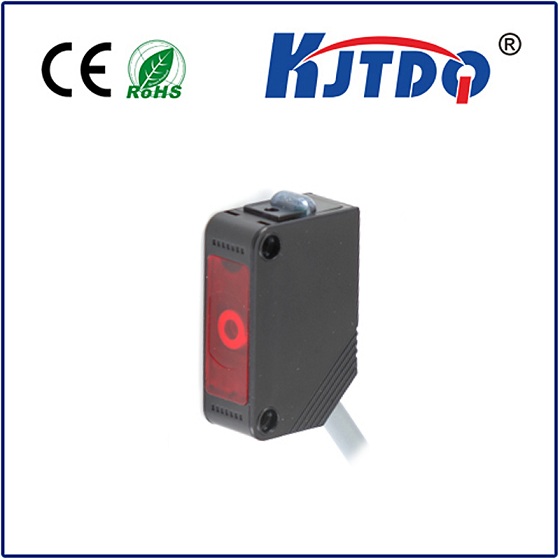
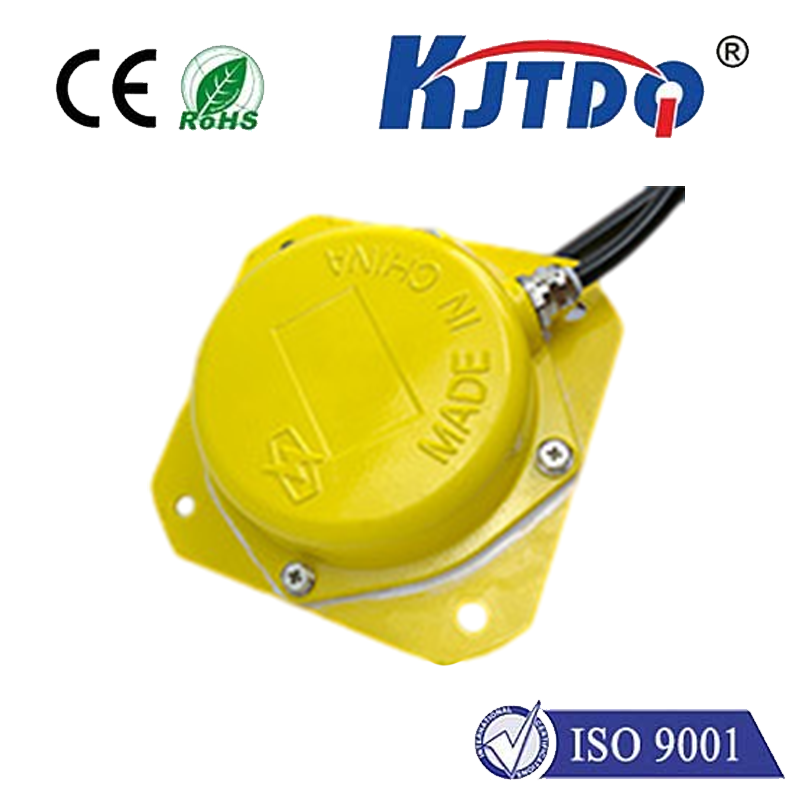
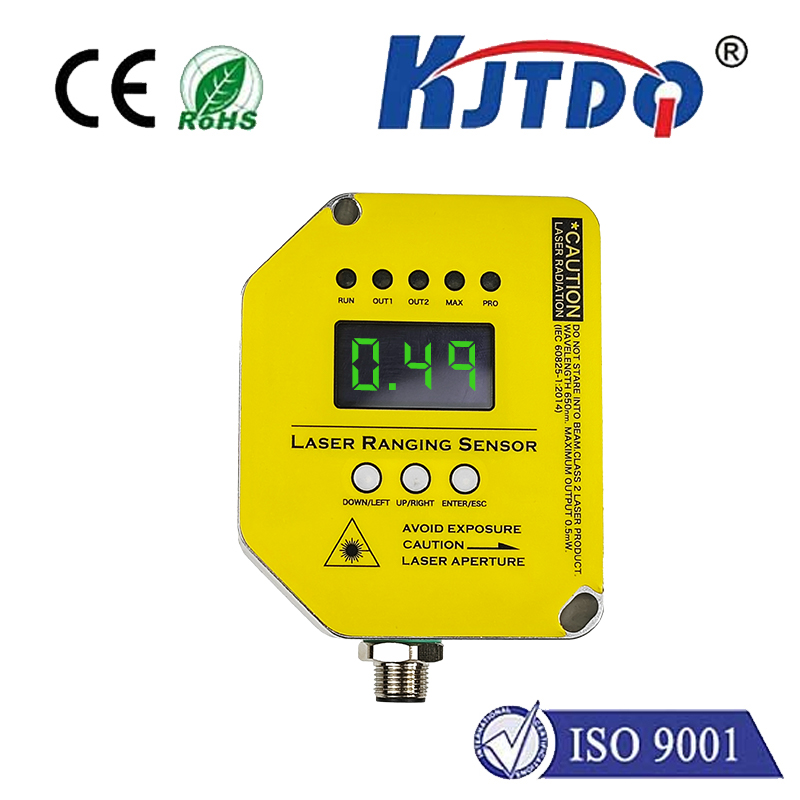
Title: “Revolutionizing Speed Measurement with Proximity Sensors” In the realm of precision and accuracy, proximity sensors have emerged as game-changers in speed measurement applications. These devices offer a non-contact method for accurately determining the speed of moving objects or machinery, thereby enhancing safety, efficiency, and performance across various industries. Let’s delve into the world of proximity sensor speed measurement to understand its workings, advantages, and diverse applications. Understanding Proximity Sensors A proximity sensor is an electronic device that detects the presence or absence of an object without physical contact. It operates based on principles such as capacitive, inductive, or optical sensing. When it comes to speed measurement, these sensors are strategically positioned near rotating or linearly moving components. By measuring changes in distance over time, they can effectively determine velocity. How Proximity Sensors Measure Speed The core principle behind proximity sensor-based speed measurement involves detecting the passage of specific points on a moving object. As the object moves past the sensor’s detection range, it triggers a signal. By timing the intervals between consecutive signals and knowing the distance between detected points (pitch), the system can calculate the speed of the moving object. This process ensures highly accurate readings even at high velocities, thanks to the advanced technology embedded within these sensors. Advantages of Using Proximity Sensors