

check

check

check

check

check

check

check

check

check

check
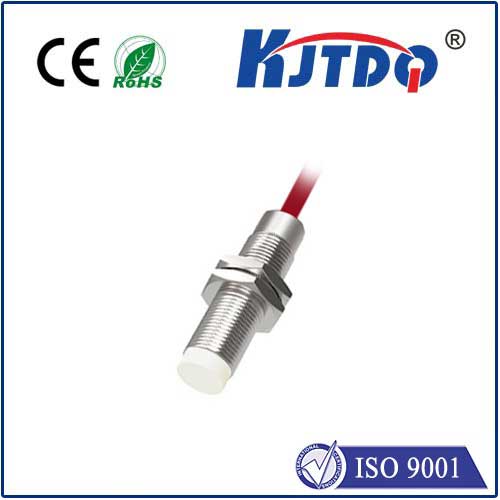
A high temperature speed sensor measures the rotational speed of a shaft that runs beside hot bearings, gearboxes, engines or steam lines, using a heat-resistant sensing head that reads gear teeth or a target without touching them. It turns each passing tooth into a pulse, and the control or monitoring system converts the pulse rate into speed. KJT Sensors supplies these sensors for rotating machinery where an ordinary pickup would be exposed to more heat than it was designed for, so speed data stays available even close to the hottest parts of the machine.


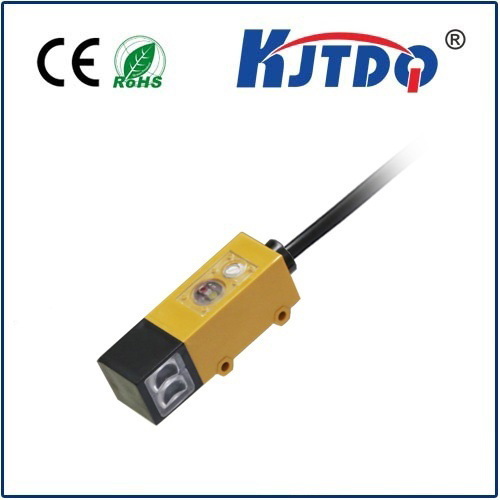
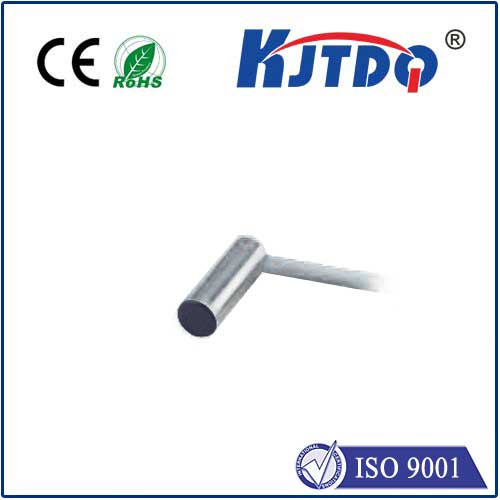
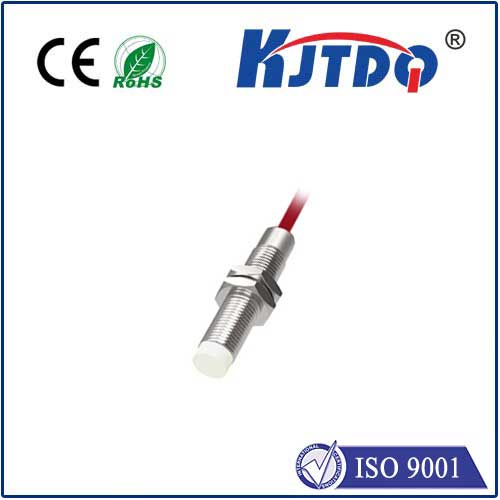
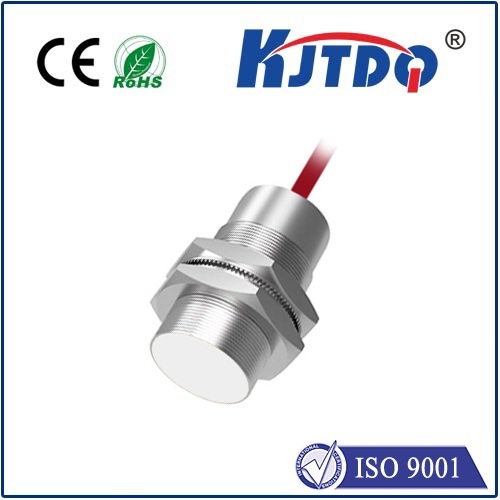
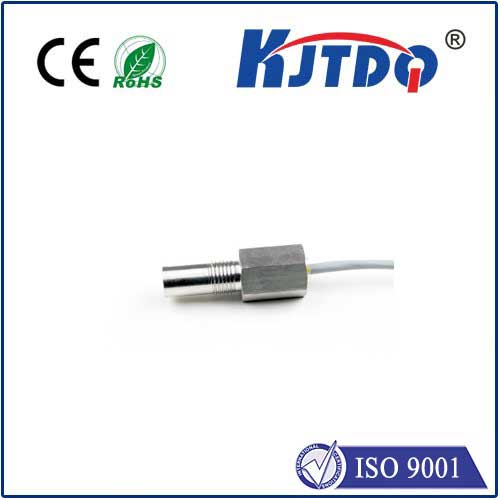
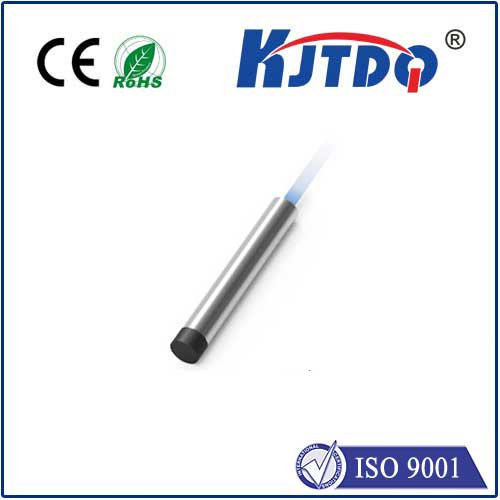
Figure 1. KJT Sensors high-temperature speed sensor for hot rotating machinery.
It detects the teeth of a ferrous gear wheel, or another target on the shaft, as they pass the sensing face. Each tooth disturbs a magnetic field at the sensor tip, and the sensor turns that disturbance into a pulse. The frequency of the pulses rises and falls with shaft speed, which gives the controller a direct measure of rotation. Because the sensor does not touch the gear, there is no rubbing wear, and it supports long-term operation, slow starts, high-speed monitoring and electrically noisy plant areas. Different designs handle the same job in different ways, and heat is one of the factors that decides between them.
The choice usually comes down to how the sensor generates its signal and how much electronics sits in the hot zone.
| Principle | How it produces a signal | Points to consider near heat |
|---|---|---|
| Passive magnetoelectric | Teeth passing a magnet and coil induce an alternating voltage pulse, with no external power | Few electronic parts at the tip; output weakens at very low speed |
| Hall-effect | A powered element senses field changes and gives a clean pulse down to slow speeds | Electronics at the head must be rated for the local temperature |
| Photoelectric | Light reflected from a disc or interrupted in a slot is counted | Optics need a clean path; less common beside hot, dirty shafts |
A passive magnetoelectric sensor is often attractive in hot locations because it creates its own signal from the moving teeth and does not need a powered circuit at the sensing tip. Where very low speeds must be read, a Hall-effect design with a suitably rated head may be preferred. The datasheet of each model defines the temperature it can withstand.
Wherever a shaft turns close to a heat source and its speed matters for control or protection. Typical examples include:
steam turbine auxiliaries such as feed and oil pumps;
large diesel and gas engines and their turbochargers;
gearboxes and bearings on power-generation equipment;
industrial drives, kilns and dryers with hot shafts;
hydraulic and hydrodynamic systems running at elevated temperature.
On a steam turbine auxiliary pump, for instance, the speed pickup may sit only a short way from steam pipes that heat the surrounding air. A sensor with a heat-resistant head lets the operator follow pump speed continuously in that position instead of relying on periodic manual checks.
Heat rarely comes alone. Engines, turbochargers and turbines combine high temperature with vibration, oil mist and tight mounting space, and the speed reading often feeds directly into control or condition monitoring. If the signal becomes unstable, control performance suffers and abnormal behaviour is noticed late. That is why speed sensors in these machines need accuracy, stability, resistance to interference and long-term reliability, and why the range includes several technical approaches for strict environments. Matching the principle, the head construction and the housing to the actual location is the most important part of selection.
Does a high temperature speed sensor need power?
It depends on the principle. A passive magnetoelectric sensor generates its own pulses, while Hall-effect and photoelectric designs need a supply.
What kind of target does the sensor read?
Most heat-rated speed sensors read the teeth of a ferrous gear wheel or a similar steel target on the shaft.
Can one sensor read both slow and fast rotation?
Hall-effect designs read down to slow speeds, while passive sensors give stronger output as speed rises. The required speed range helps decide the type.
How is the right temperature rating chosen?
Measure or estimate the temperature at the sensor's actual position, including radiant heat from nearby surfaces, and compare it with the datasheet before ordering.