

check

check

check

check

check

check

check

check

check

check
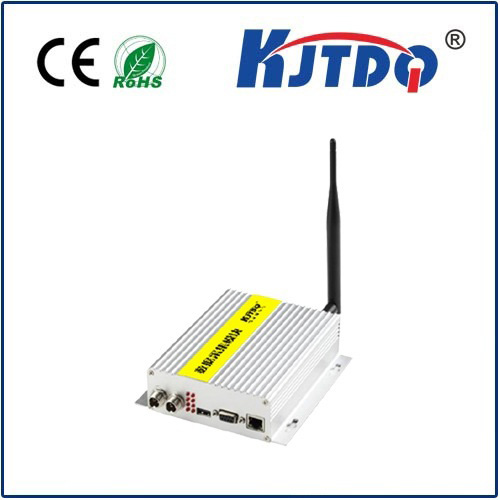
An industrial wireless gateway is the collection point of a wireless sensor network: it receives readings from many battery-powered or locally powered sensor nodes over radio, manages those nodes centrally and forwards their data to a monitoring platform or supervisory system. It lets a plant gather temperature, pressure, vibration, level and position data from scattered machines without running a signal cable to each point. KJT Sensors builds wireless sensors and smart gateways as one industrial IoT product system for remote monitoring, distributed data collection and equipment-state management.


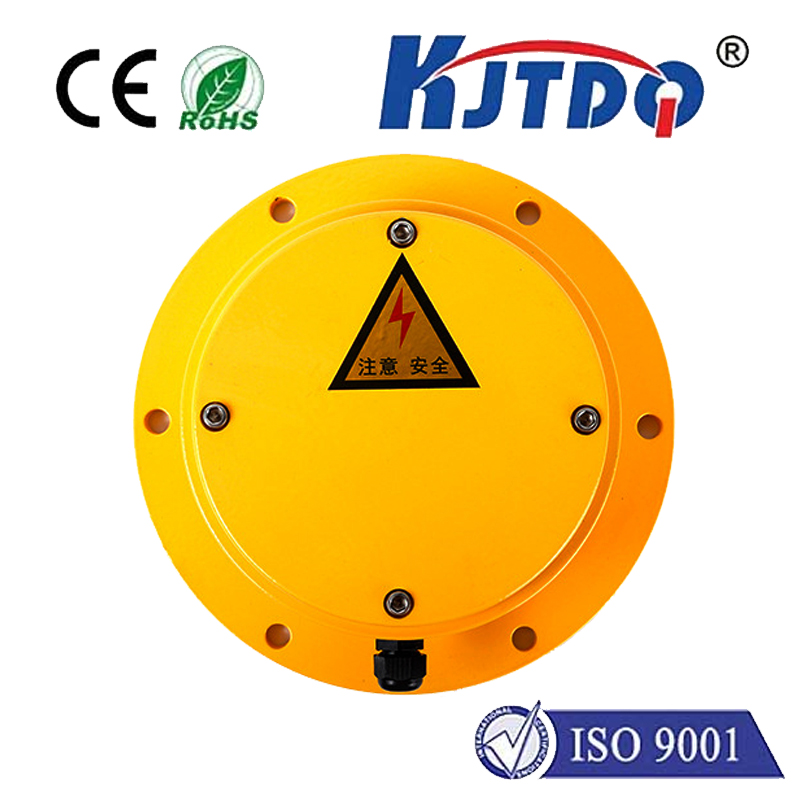
Figure 1. KJT Sensors industrial wireless smart gateway for sensor data acquisition.
It concentrates, organises and passes on the data. Each wireless sensor node measures a value and sends it by radio. The gateway connects to all nodes in its network, keeps track of which ones are reporting, receives their data and forwards it to the system above, whether that is a plant monitoring platform, a supervisory control system or a cloud dashboard. In that sense the gateway acts as the network's manager: sensors talk to the gateway, and the gateway talks to the rest of the plant. Without it, every wireless node would need its own link to the higher-level system.
It can be described as a set of functional modules, each with a clear job:
| Module | Role |
|---|---|
| Sensing and acquisition | Measures the physical quantity at the point of interest |
| Data processing | Prepares the raw reading for transmission |
| Wireless communication | Sends the data over the radio link |
| Power supply | Battery or local supply for the node |
| Housing and protection | Shields the node from the site environment |
| Gateway management | Connects nodes centrally and handles transmission |
| Platform access | Delivers data for remote monitoring and data management |
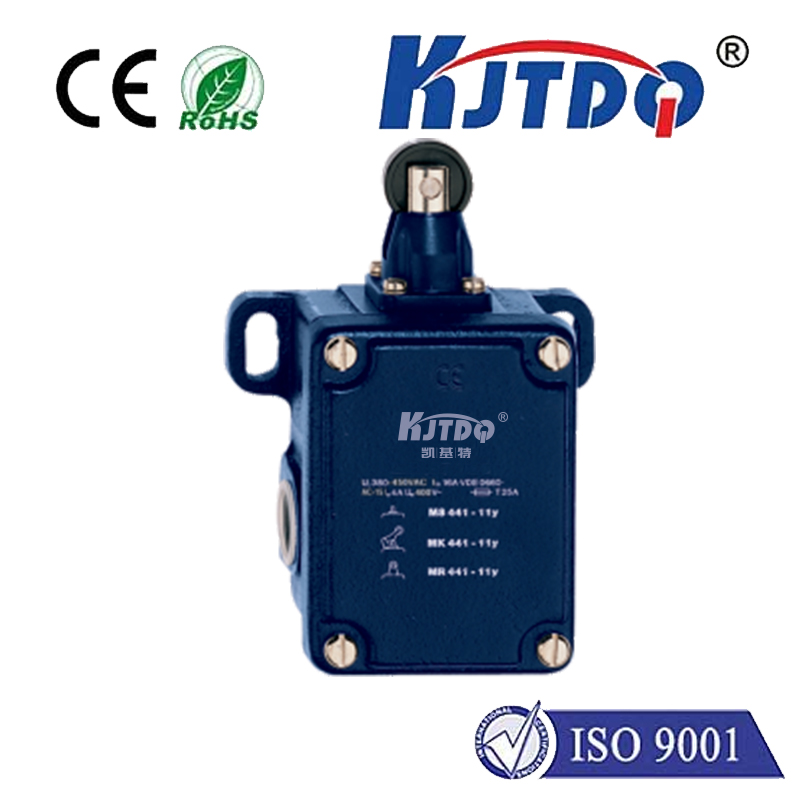
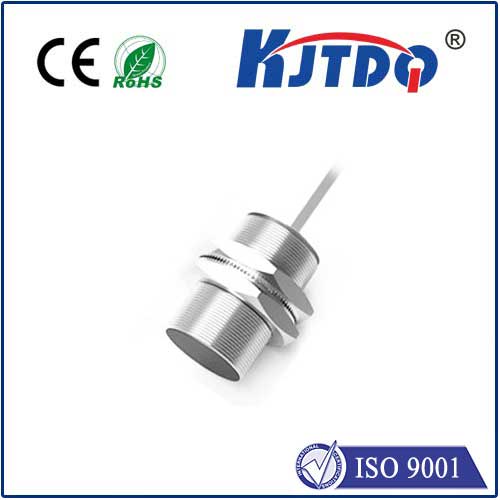
The first five modules live in the sensor nodes; the last two belong to the gateway and the software above it. The sensing part of a node may be contact or non-contact, depending on what it measures: a wireless limit switch still relies on mechanical actuation, while a wireless proximity sensor detects its target without touching it.
A smart gateway can work with several radio protocols, including Wi-Fi, ZigBee and LoRa. They suit different needs: Wi-Fi offers higher data rates where infrastructure already exists, ZigBee forms low-power meshes of many small nodes, and LoRa reaches further at low data rates. Wireless sensor networks of this type are designed for low power consumption, small size and efficient transmission, and they can be arranged in star, chain or tree topologies to fit the layout of a site with many measuring points.
Consider a factory that wants condition monitoring across many machines spread over several halls. Motors, pumps and gearboxes each carry a few wireless sensors for temperature and vibration, while some lines also have wireless pressure, level or proximity nodes. Running cables from every one of these points back to the control room would be slow and disruptive. Instead, gateways placed around the site collect the readings from nearby nodes and forward them to the factory's control and monitoring system. Maintenance staff then see the condition of distributed equipment in one place and receive early warnings of unusual readings, rather than walking routes with handheld instruments.
Several groups gain in different ways. Maintenance teams cut down on manual inspection rounds because readings arrive automatically. System integrators get ready-made data acquisition nodes for industrial IoT projects. Plants retrofitting older lines avoid much of the new cabling that a wired upgrade would demand. Wireless gateways make the most sense where measuring points are widely spread, cabling is difficult or costly, manual checks are expensive, or equipment has to be supervised remotely, for example in warehousing, mining and power facilities, or at unattended monitoring points.
Range, number of supported nodes, protocols and upstream interfaces vary between gateway models; a site survey and the gateway datasheet together should shape the final network plan.
What kinds of sensors can report through a wireless gateway?
Typical nodes measure temperature and humidity, pressure, proximity, travel position, inclination, liquid level, vibration, water ingress and conveyor protection status.
Does a gateway replace the plant's control system?
No. It gathers and forwards sensor data; decisions and control remain with the monitoring platform or control system it feeds.
Is a wireless network suitable for retrofitting an existing line?
Yes, that is one of its main uses, because it adds measuring points without pulling new signal cables through the plant.
Can one gateway mix sensors that use different protocols?
A gateway that supports several protocols can manage different node types, but the exact combination depends on the model.