check

check

check

check

check

check

check

check

check

check
An industrial wireless sensor for remote equipment monitoring measures a condition such as temperature, pressure, vibration, tilt or position at the machine and sends the data by radio to a gateway, so no signal cable has to run back to the control room. It suits scattered measuring points, moving equipment and sites where cabling is costly or disruptive. KJT Sensors pairs wireless sensors with smart gateways in an industrial IoT system aimed at watching remote sites, collecting data from scattered points and managing the state of equipment.


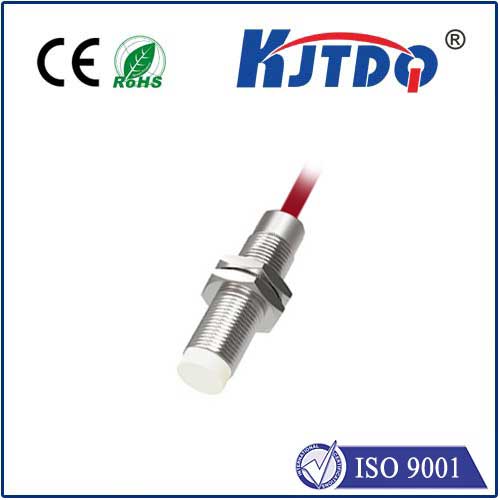
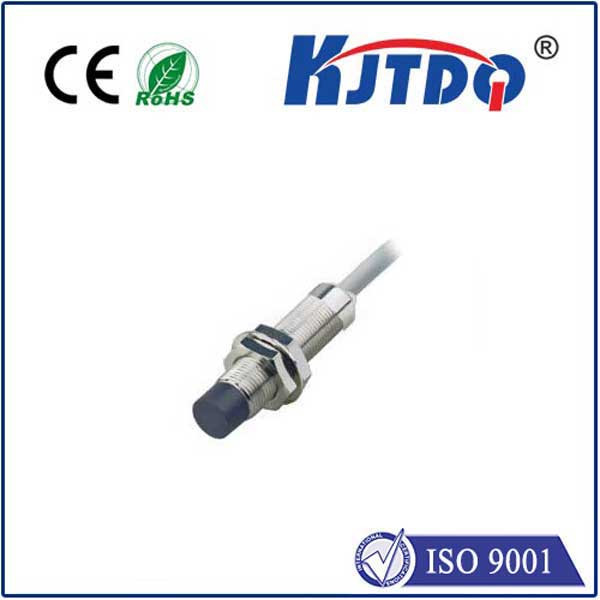
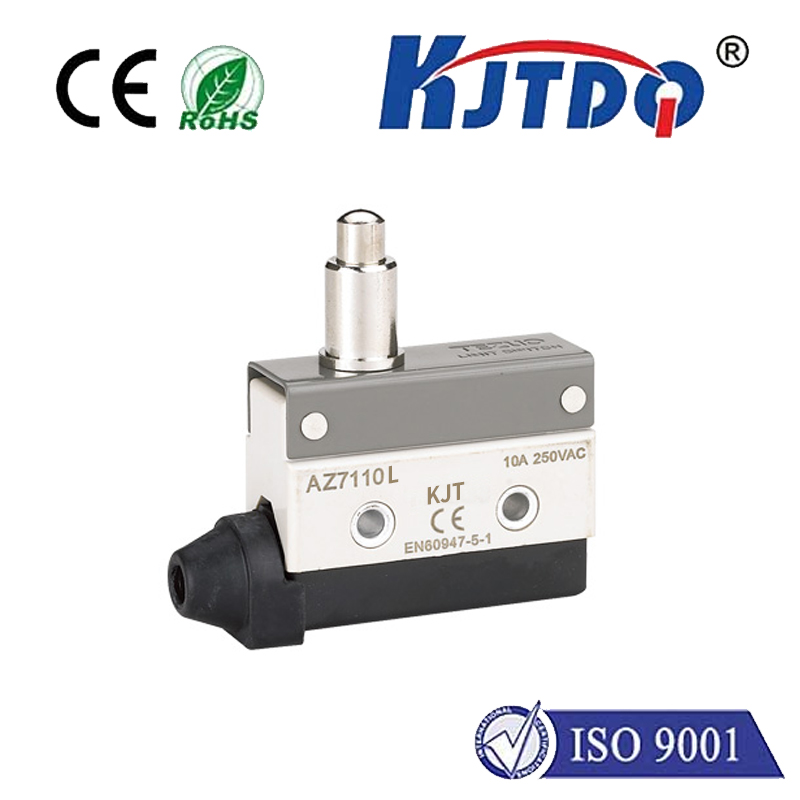
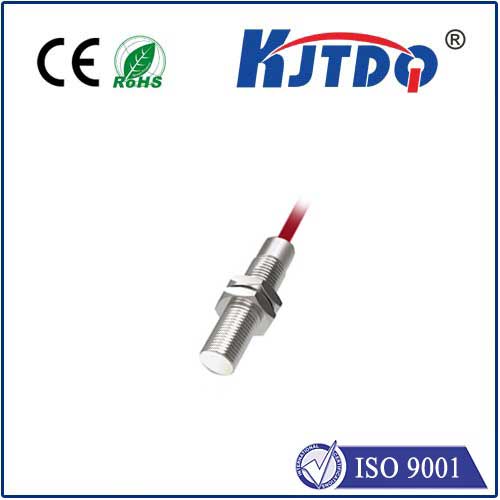
Figure 1. KJT Sensors industrial wireless sensors for remote equipment monitoring.
It removes the cable between the measuring point and the system that reads it. On large plants the points worth watching are often far apart, on moving machines or in places where trenching and cable trays would interrupt production. Buyers describe the same set of issues: measuring points spread across the site, high cabling cost, retrofit work that stops the line, slow manual inspection rounds, abnormal conditions noticed too late, data that never reaches one place and fixed cabling that cannot follow mobile equipment. A wireless node placed at the machine addresses most of these at once.
A typical node brings together a sensing element, a processor, a communication module, an energy supply and a protective housing. The sensing element follows the quantity being measured: a temperature probe sits against its surface, while a proximity element reads its target across a gap. The processor prepares the reading, and the communication module sends it out. Different radio technologies and low-energy schemes can be chosen to fit the application, since a battery-powered node on a remote pipe has different needs from one on a powered machine.
Wireless sensor networks are designed for low power consumption, low cost, small size, efficiency and reliability, and they support star, chain and tree layouts for multi-point monitoring.
The smart gateway is the collection point. It connects and manages many wireless sensors, gathers their data and forwards it to a monitoring platform or supervisory system. Its management function handles the connections and data transmission, while the platform side offers remote viewing, data management and warnings when a reading moves out of its normal band.
| Layer | Role in the system |
|---|---|
| Wireless sensor node | Measures the condition at the equipment and transmits it |
| Communication module | Carries the data over the chosen radio link |
| Smart gateway | Connects nodes, manages them and forwards data |
| Monitoring platform | Displays, stores and raises warnings for remote staff |
With this structure, the points that used to be checked by walking round the plant can be watched from one screen.
Anything that is spread out, moves or is hard to reach. Typical applications include distributed equipment monitoring in plants; wireless collection of temperature, humidity and pressure; vibration and water-ingress monitoring; wireless travel-limit and proximity detection; wireless conveyor protection; remote level monitoring; inspection support in mining and power facilities; smart-factory retrofits; and unattended monitoring points. Warehouses, logistics centres and tilt monitoring on structures are further examples.
An overhead crane shows the advantage clearly. Its long-travel wheels and bearings move the full length of the bay, so a wired temperature or vibration sensor would need a long trailing cable. A wireless node on the bearing housing can report its condition to a gateway on the building wall while the crane travels freely.
List the points to be monitored and what each one measures, then note which are fixed and which move. Check the distances and obstacles between the nodes and the planned gateway positions, because steel structures and walls affect radio coverage. Decide how each node is powered and how often it must report. Finally, agree where the data should end up and who receives warnings. Radio range, battery life and supported protocols vary between products, so the datasheets and a short site review should guide the final layout.
Does a wireless sensor change how the measurement itself is made?
No. Only the signal path changes. The sensing element works as it would in a wired device and the reading is then sent by radio.
How many sensors can one gateway handle?
That depends on the gateway model and radio technology. The gateway is designed to connect and manage a variety of wireless sensors, so capacity should be checked on its datasheet.
Is wireless monitoring suitable for retrofitting an existing plant?
Yes. Avoiding new cable runs is one of the main reasons for using it, because installation causes less disruption to production.
Can wireless sensors raise warnings, or only log data?
Through the gateway and platform they support remote monitoring, centralized management and warnings when a condition becomes abnormal.