check

check

check

check

check

check

check

check

check

check
A passive magnetoelectric speed sensor measures gear speed by generating its own voltage pulses as ferrous gear teeth pass its tip, so it needs no external operating power. Each tooth changes the magnetic field around a coil inside the sensor, and that change induces an alternating signal whose frequency follows shaft speed. The sensor never touches the gear. KJT Sensors supplies passive magnetoelectric pickups as part of a speed sensor range for engines, turbines, power generation equipment and industrial rotating machinery.


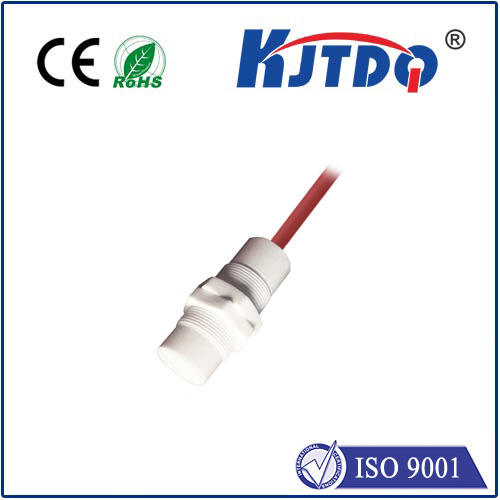
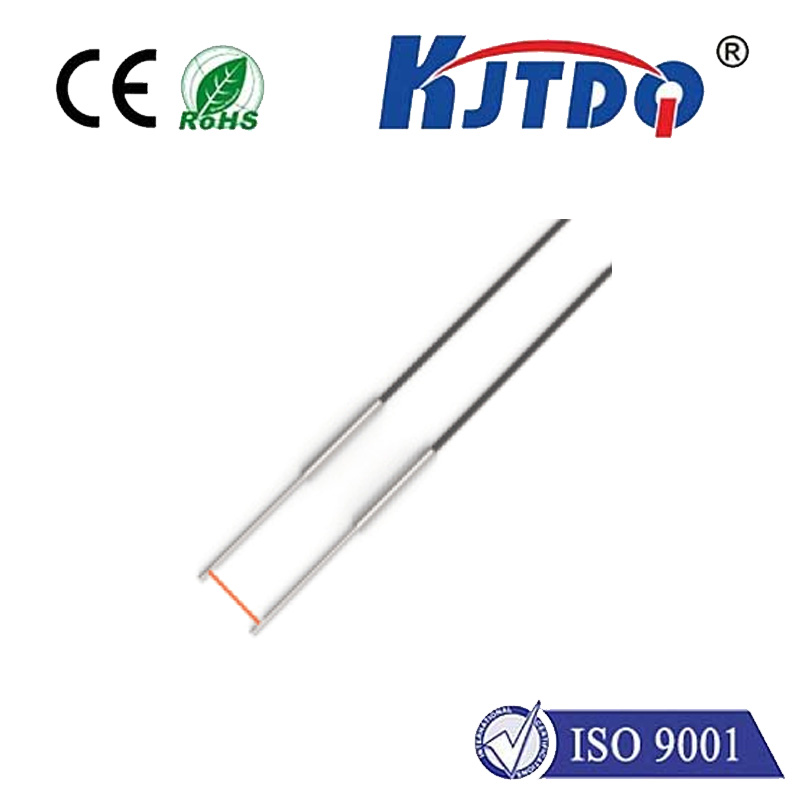
Figure 1. KJT Sensors passive magnetoelectric speed sensor for gear RPM measurement.
It turns the motion of the gear into electrical energy by magnetic induction. Inside the sensor, a permanent magnet sits behind a coil. As a steel tooth approaches the tip, the magnetic path tightens; as the gap between teeth arrives, it relaxes. That rising and falling flux induces an alternating voltage in the coil, one cycle for each tooth.
Count the cycles in a given time, divide by the number of teeth on the wheel, and the result is shaft speed. Because the energy comes from the moving gear itself, the sensor needs no supply cable for its own operation, only a signal line to the instrument reading it.
The pulse frequency rises with speed, and so does the size of the signal. A faster gear changes the magnetic field more quickly, which induces a stronger voltage in the coil. At high speed the passive pickup gives a large, clear signal. At very low speed the change in flux is slow, the signal becomes small, and below a certain speed it is too weak to read reliably.
That behaviour is the main difference from an active design. Hall-effect and magnetoresistive sensors need power, but they detect the passage of tooth peaks and valleys even at a crawl and output a clean square wave whose height does not depend on speed.
| Point of comparison | Passive magnetoelectric | Hall-effect or magnetoresistive |
|---|---|---|
| Operating power | Not needed | Needed |
| Signal form | Alternating voltage, size grows with speed | Square-wave pulses, fixed level |
| Very low speed | Signal becomes weak | Still detected |
| Contact with gear | None | None |
It makes the most sense on rotating machines that run at meaningful speed and where a simple, unpowered pickup is an advantage. Typical uses include speed monitoring on large diesel and gasoline engines, turbine and turbocharger speed measurement, condition checks on generating plant, feedback from hydrodynamic drives and general speed acquisition on gears and shafts in industrial machinery.
A remote turbine is a good illustration. If a speed point sits far from any convenient supply, a passive pickup can still deliver a usable pulse signal from the turning shaft, because it draws its energy from the gear teeth rather than from an external source.
Because the sensor does not touch the gear, nothing wears at the measuring point. Contact methods such as friction wheels or mechanical tachometers rub against the shaft and need attention over time. A magnetic pickup reads the teeth across a small air gap, which supports long-term operation, high-speed monitoring and use in electrically noisy plant areas. Engines, turbines and rail or power equipment all ask for accuracy, stability and resistance to interference over a long service life, and a non-contact pickup is well suited to that.
Start with the target wheel: it must be a ferrous gear or toothed disc, and the tooth shape and size influence the signal. Then define the speed range, paying attention to the lowest speed that must still be measured, since this is where a passive pickup is weakest. Consider the temperature near the sensing head, as engines, gearboxes and hot bearings may call for a heat-resistant design. Check what the receiving instrument expects, because an alternating signal of varying size needs an input that can handle it.
Output level, gap sensitivity and temperature rating vary between models, so these details should be confirmed on the datasheet, and an application review is sensible for unusual gears.
Does a passive magnetoelectric sensor need a power supply?
No. It generates its own signal from the moving gear teeth by magnetic induction. Only the instrument that reads the signal needs power.
Can it measure a gear turning very slowly?
Only down to a point. At low speed the induced signal becomes small, so a Hall-effect sensor is usually better for near-standstill measurement.
Will it work on an aluminium or plastic gear?
No. It needs a ferrous target, such as a steel gear or toothed wheel, to change the magnetic field.
Can a passive pickup tell forward from reverse rotation?
A single passive pickup only reports speed. Direction needs a bidirectional sensor with two sensing channels offset in phase.