
check

check

check

check
check
check
check
check

check

check
During the conveying and inbound warehousing of tote boxes, cartons, and pallets, even a single jam at a transfer point can cause upstream accumulation and downstream starvation.
When transfer mechanisms actuate before goods reach position, lift tables fail to reset before the next batch arrives, or abnormal stack heights go undetected until reaching downstream stations, manual intervention increases and equipment cycle times are disrupted.
Deploying targeted detection points around goods presence, mechanism positioning, and stack height provides the control system with reliable decision-making data, keeping shop-floor handoffs orderly and predictable.

| Warehousing Stage | Recommended KJT Product | Primary Detection Task |
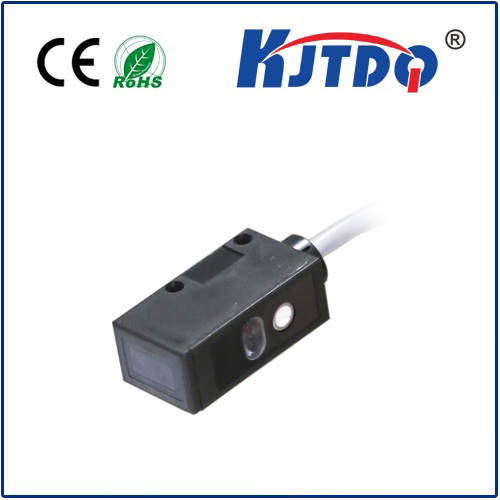
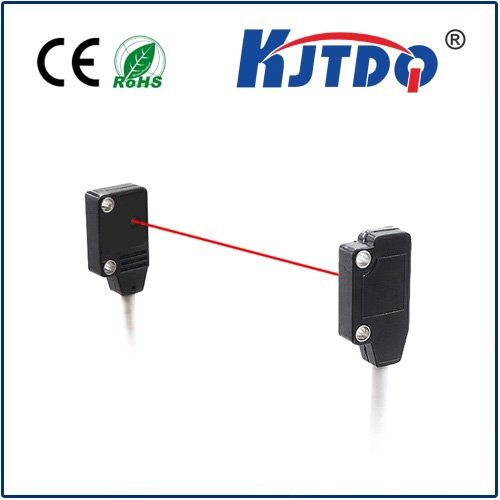
| Conveyor Transfer | Background Suppression Photoelectric Sensor | Detects whether boxes have entered the target zone, providing clear signals for release or hold. |
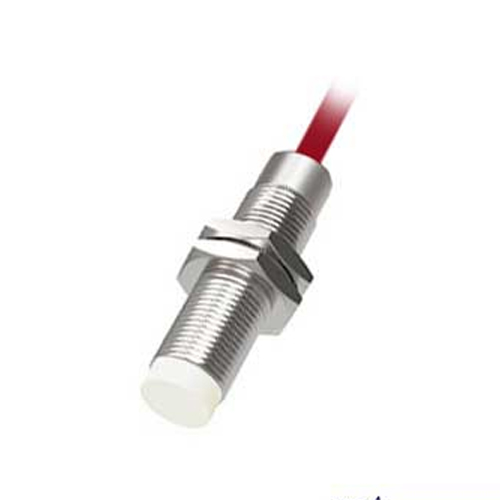
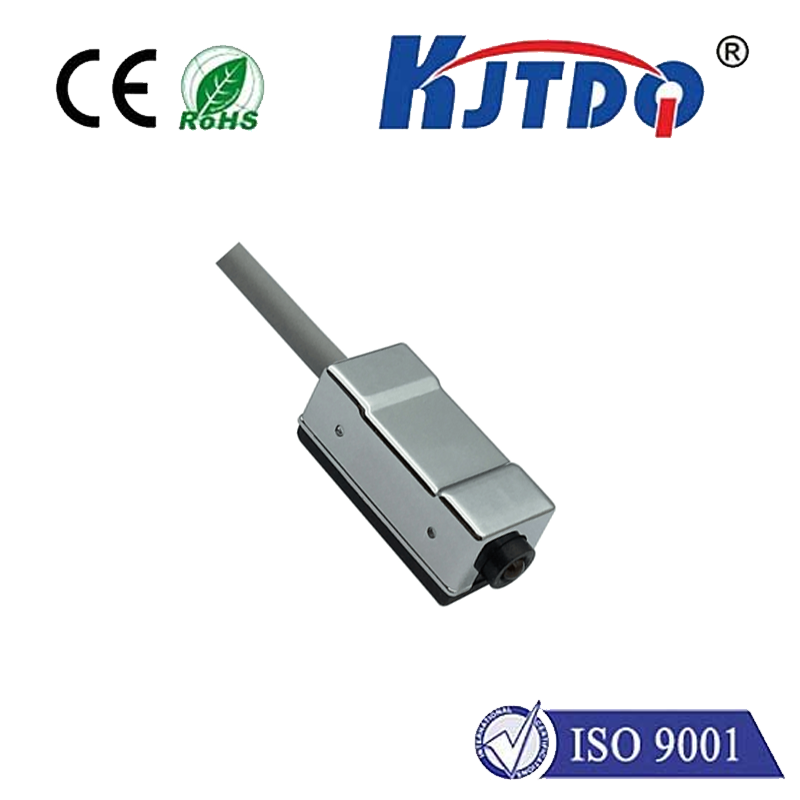
| Lift & Transfer | Inductive Proximity Sensor | Detects metal positioning flags to confirm raised, lowered, and home/reset states of mechanisms. |
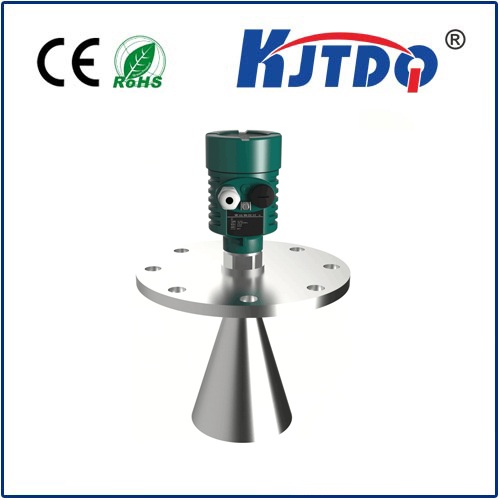
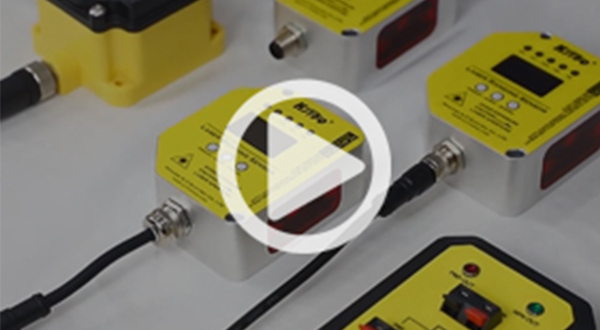
| Stacking & Inbound Storage | Laser Distance Sensor | Measures distance to the top surface of the stack to assist with height evaluation and over-height alerts. |
Mount a Background Suppression Photoelectric Sensor on a side bracket along the conveyor, aimed across the path of passing boxes to reliably distinguish targets from background structures based on sensing distance.
Once fed into the control system, the detection signal coordinates release timing with downstream station availability—continuing conveyance when the receiving position is clear, and pausing upstream feeding when goods are already waiting.
On-Site Value: Reduces accumulation and uncoordinated infeed at transfer junctions, keeping buffering confined to controlled zones.
Install a Laser Distance Sensor with analog/digital distance output directly above the stacking zone, measuring downward to the top surface of the stack and calculating actual height relative to the mounting datum.
The control system evaluates height thresholds per station requirements and triggers inspection alerts upon anomalies—preventing over-height loads from entering downstream processes. Additional measurement points can be added where full-pallet profile coverage is required.
On-Site Value: Moves height inspection upstream, minimizing downstream rework, re-handling, and line waiting.
Status Acquisition → Control System Evaluation → Conveyor & Transfer Interlocking → Anomaly Alerts
Sensors capture real-time field conditions, while the control program integrates sequence logic, wait conditions, and fault handling so detection results actively govern equipment operation.
| Improvement Area | Practical Customer Benefit |
| More Orderly Handoffs | Minimizes cycle interruptions caused by out-of-position goods or unreset mechanisms. |
| Focused Troubleshooting | Enables station-by-station sensor diagnostics, eliminating repetitive line-wide checks. |
| Clear Retrofit Roadmap | Prioritizes congestion- and jam-prone junctions first for structured, phased implementation. |
Start with a single transfer station—make the critical states of your warehouse conveying system clearly visible.
Provide on-site photos, load materials, and sequence workflows, and KJT will help match the right sensors and mounting configurations to fit your installation space, sensing distances, and cycle times.