

check

check

check

check

check

check
check
check
check
check
When a transparent bottle filling line experiences unexpected delays or sequence interruptions, operators must check incoming bottle presence, positioning mechanisms, cap availability, and air supply status. Missed detection of transparent bottles, abnormal actuator feedback, or missing caps all increase line downtime and rework costs.
Deploying targeted sensors across these critical stages feeds real-time status data back to the control system, providing a reliable basis for seamless process interlocking and rapid fault handling.

| Inspection Stage | Recommended Configuration & Mounting | Customer Value |
| Empty Bottle Infeed | KJT-FJ18 Retro-Reflective Photoelectric Sensor + matching reflector mounted on opposite sides of the conveyor, with the optical beam passing through a stable section of the bottle body. | Confirms incoming bottle presence to trigger positioning and filling sequences. |
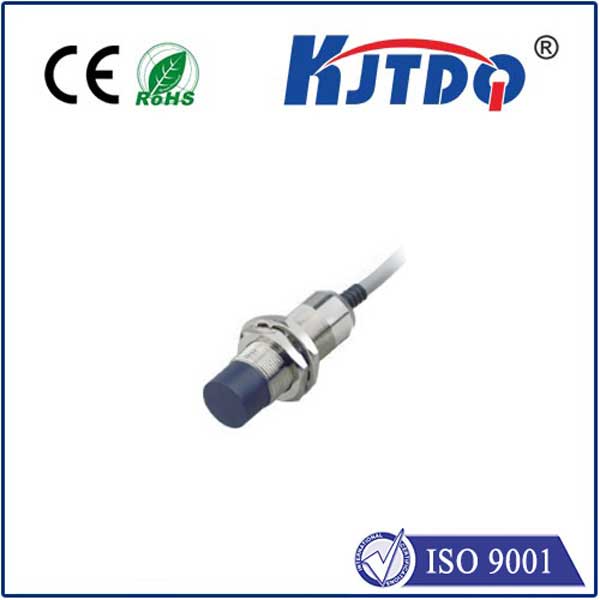
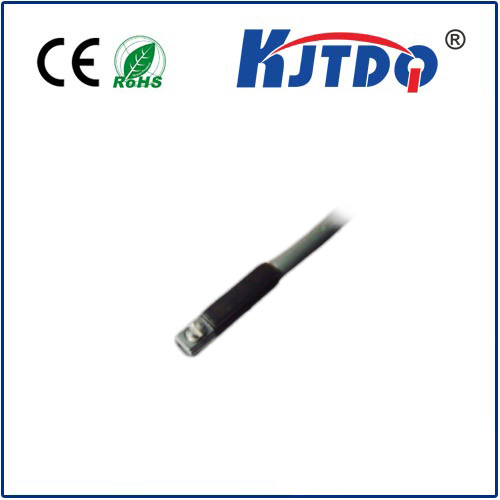
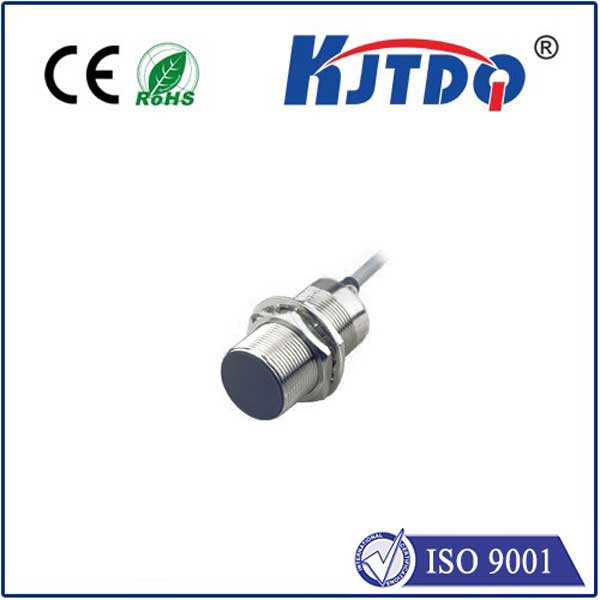
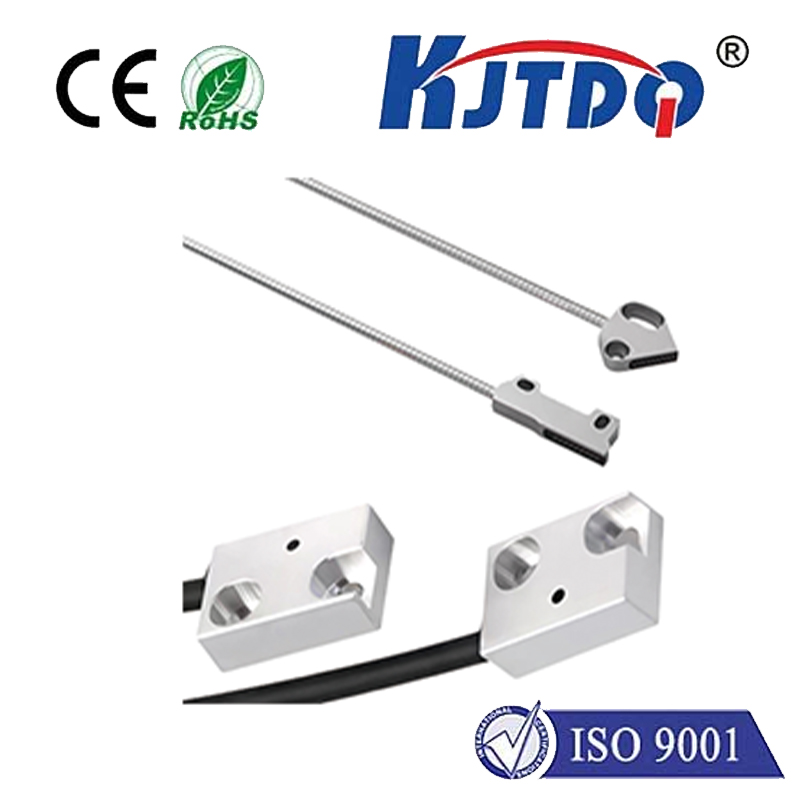
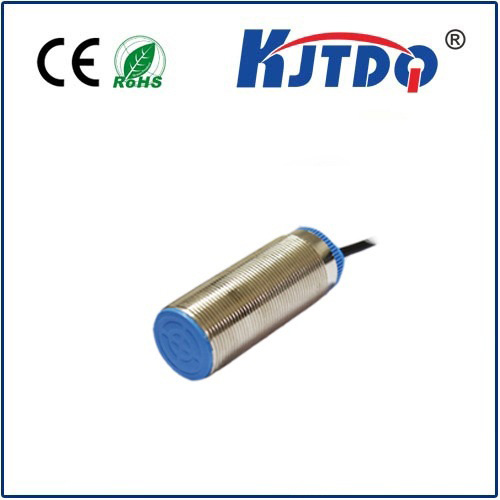
| Filling Positioning | KJT-15N Cylinder Magnetic Switch; or KJT-J12 Inductive Proximity Sensor mounted on the machine frame when detecting external metal stops. | Feeds back mechanism position, working alongside bottle-infeed signals to validate process readiness. |
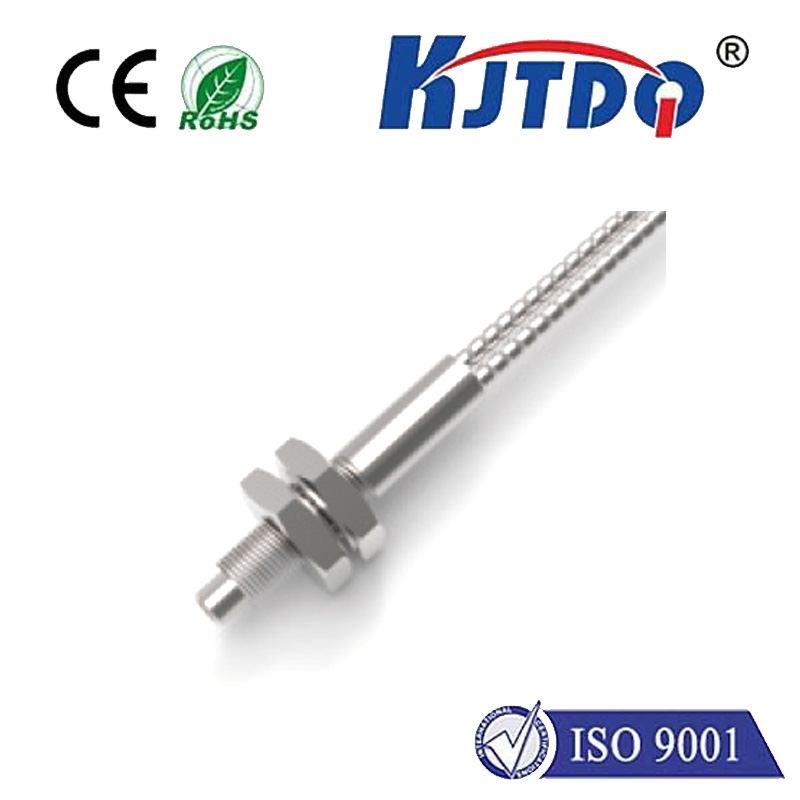
| Post-Capping Inspection | KT-DF310 Right-Angle Diffuse Fiber Optic Sensor Head paired with a KJT-FDQ-V11 Fiber Optic Amplifier, mounted slightly offset above the bottle neck and aimed at the side edge of the cap. | Verifies cap presence to reliably detect missing caps. |
| Air Supply Monitoring | KJT-1604 Compact Pressure Transmitter connected to the outlet air line of the air preparation unit (FRL). | Monitors supply pressure in real time to assist in diagnosing pneumatic actuator anomalies. |
Detecting transparent bottles requires pairing specialized photoelectric models and reflectors designed for clear targets, while the compact footprint of fiber optic sensor heads allows easy installation in tight spaces around the bottle neck.
The automated inspection and control sequence operates as follows:
Confirm Incoming Bottle & Positioning Status → Execute Filling & Capping per Process Specs → Verify Cap Presence
Air supply pressure is monitored concurrently, allowing the control system to define operating conditions, anomaly alerts, and handling logic based on process requirements.
When an anomaly occurs, maintenance personnel can use the corresponding sensor signals to immediately prioritize checking bottle infeed detection, positioning mechanisms, cap feeding, or pneumatic lines—narrowing the troubleshooting scope and minimizing repeated trial runs.
During commissioning, verify sensor signals using actual empty bottles, filled bottles, and both capped and uncapped samples, while inspecting reflector alignment, fiber optic head positioning, and washdown/ingress protection requirements on the line.
Note: Cap inspection verifies cap presence only; seal integrity and tightening torque quality should be monitored separately using dedicated process inspection methods.
Provide your bottle formats, capping methods, mechanical layouts, and control requirements, and KJT will assist in matching the optimal sensing products and installation solutions.