
check

check

check

check
check
check
check
check

check

check
When metal housings and machined parts retain oil residue after washing, they often require re-washing—slowing down subsequent assembly workflows. Spray liquid supply and cleaning solution temperature are two of the most critical factors governing cleaning performance.
Continuous monitoring of tank liquid level, spray supply flow, and solution temperature enables timely detection of process fluctuations and provides a clear, data-backed basis for on-site adjustments.

| Inspection Point & Product | Specific Application | Customer Value |
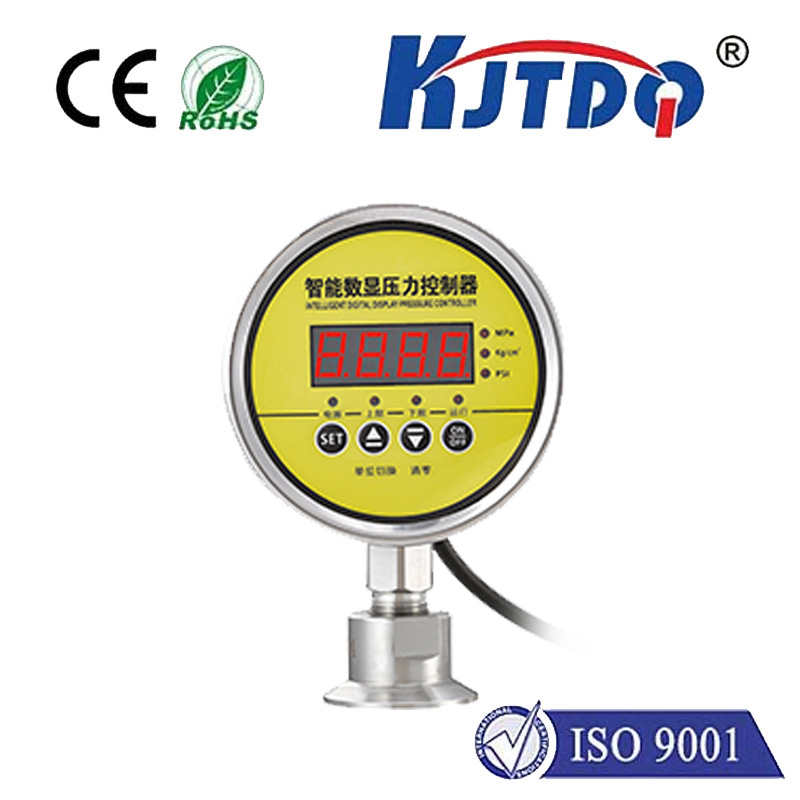
Wash Tank Liquid Level Smart Level Transmitter | Configured with differential pressure (DP) tapping based on tank geometry to measure liquid level and output signals for replenishment and low-level protection. | Tracks remaining fluid levels so timely replenishment can be scheduled. |
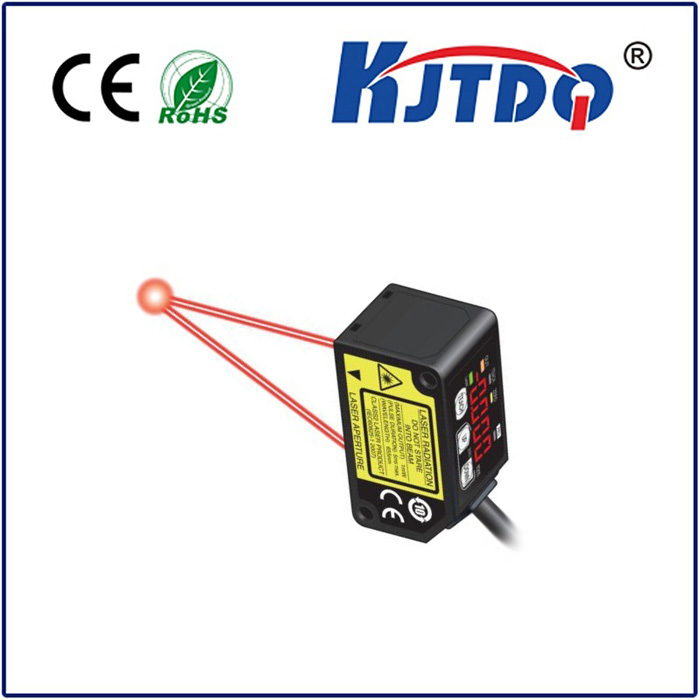
Spray Liquid Supply Thermal Flow Sensor (Switch) | Installed on the main supply header or critical branch lines to monitor flow status and detect insufficient supply or no-flow conditions. | Provides clear diagnostic clues for inspecting filters, valves, and pump lines. |
Cleaning Solution Temperature Digital Electric Contact Thermometer | Measures solution temperature with alarm setpoints configured to match process requirements. | Rapidly identifies temperature deviations to adjust heating and washing schedules. |
Once all three signal types are fed into the equipment control system, operating interlocks for the washing cycle can be established according to process specifications:
Adequate Liquid Level + Normal Spray Flow + Temperature Within Process Range → Cleared to Initiate Cleaning Cycle
When an anomaly occurs, the control system triggers alerts or pauses the relevant step based on preset logic. Operators can then check fluid replenishment, supply piping, or heating elements according to the specific fault signal, and confirm recovery once resolved. For multi-branch washers, priority can be given to monitoring the most critical spray loops.
Timely Detection of Process Shifts: Continuous tracking of liquid level, supply flow, and temperature reduces the risk of running wash cycles under abnormal conditions.
Targeted Troubleshooting: Diagnostic signals direct technicians straight to the affected subsystem—eliminating repeated trial runs and blind, item-by-item checks.
Practical, Need-Driven Retrofits: Sensor placement is tailored around existing tanks, piping, and control interfaces to resolve key bottlenecks first.
Selection Note: Product selection requires verifying chemical compatibility between the cleaning solution and wetted materials, operating media temperature, and installation constraints. Liquid level measurement must be configured according to tank design and pressure-tapping methods; this solution serves as an application recommendation based on product capabilities.
Provide your cleaning solution composition, tank structure, and spray piping layout, and KJT will assist in matching the optimal sensing products and integration plan.