

check

check

check

check
check
check
check
check

check

check
Plant water supply networks span multiple workshops, leaving pressure check points widely scattered. Requiring maintenance personnel to inspect gauges point-by-point and log readings manually is time-consuming—and tracking pressure fluctuations between scheduled rounds requires far more continuous data than manual logs can provide.
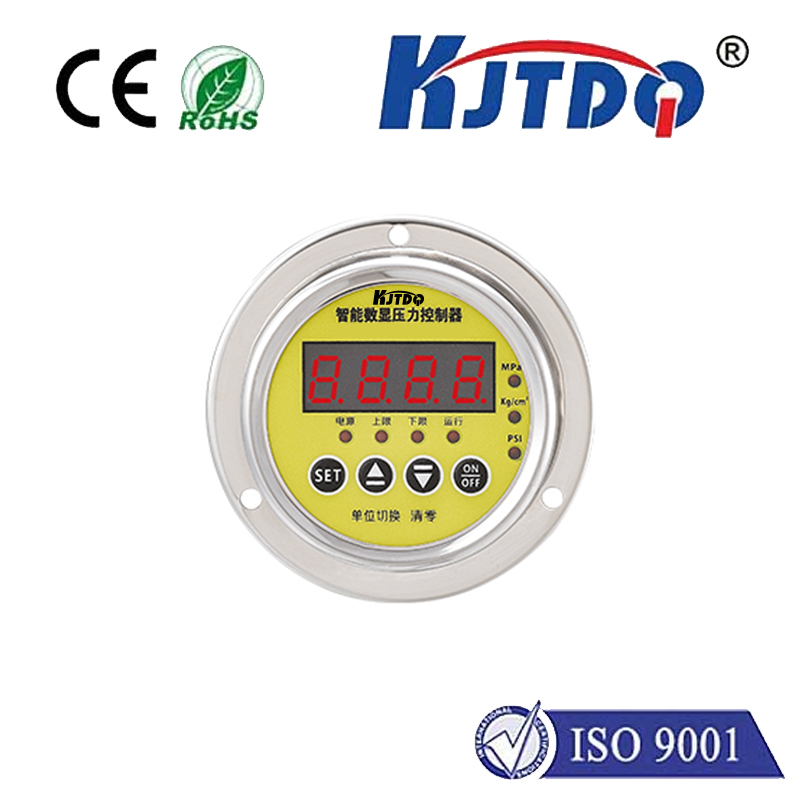
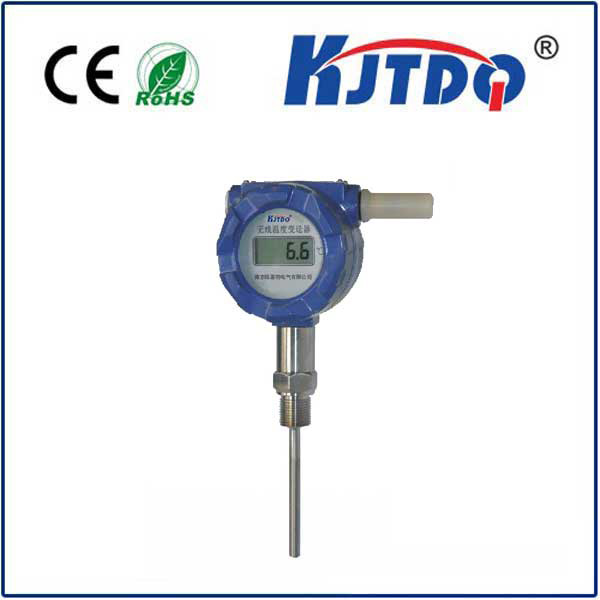
The KJT GPRS Wireless Pressure Sensor / Wireless Pressure Transmitter transmits pressure data over wireless networks, supporting both local on-site display and remote access to streamline pressure management across dispersed monitoring locations.

Taking main plant water headers and critical branch lines as examples, transmitters are deployed at key monitoring locations to feed pressure data directly into a companion management platform for unified review by maintenance teams.
| Product Feature | Customer Value |
| Local Display & Remote Access | Enables on-the-spot reading during rounds alongside remote web access for convenient daily monitoring. |
| Data Logging & Trend Curves | Allows historical review of pressure fluctuations, reducing reliance on manual handwritten logs. |
| High/Low Pressure Limit Alarms | Triggers alerts upon pressure deviations to help prioritize and schedule field inspections. |
| Local & Remote Configuration | Adjusts instrument parameters flexibly to match changing monitoring requirements. |
Data is reported at configurable intervals, allowing engineers to review historical logs, statistical summaries, and trend curves directly via a web portal.
When water supply pressure anomalies occur, maintenance personnel can first review historical records for the specific monitoring point—pinpointing the exact timeframe and progression of the pressure shift before dispatching technicians to the field.
Clearly mapped locations and accessible historical records help eliminate unfocused back-and-forth inspections. While pressure data provides valuable diagnostic clues, root causes should still be verified against actual on-site operating conditions.
Wireless backhaul eliminates the need to lay long-distance signal cables across large facilities. Actual deployment requires verifying the measured media, process connection fittings, power supply conditions, and local GPRS network coverage, with reporting intervals configured to match inspection needs.
Provide your piping layout, monitoring point locations, and data visualization requirements, and KJT will assist in matching the optimal wireless pressure sensing and connectivity solution.