check

check

check

check

check

check
In industrial environments where fluid control is critical, maintaining precise flow rates ensures operational safety and efficiency. A flow limit switch serves as a vital monitoring device, designed to detect deviations in liquid or gas flow within pipelines. When flow exceeds or falls below preset thresholds, the switch triggers alarms or automatically shuts down equipment, preventing potential damage from conditions like pump dry-running, pipe blockages, or leaks.
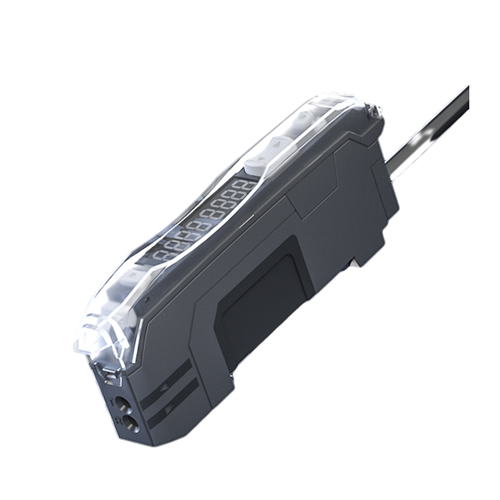
The KJTDQ series of flow limit switches incorporates robust construction suitable for harsh settings, including chemical processing, water treatment, and HVAC systems. These devices typically employ paddle, thermal, or ultrasonic sensing mechanisms to accurately measure flow without impeding it. For instance, paddle-style switches activate when fluid movement displaces a mechanical arm, while thermal variants detect temperature differentials caused by flow changes. This adaptability allows seamless integration into diverse industrial setups.
Installation and calibration are straightforward: technicians mount the switch along the pipeline, aligning it with flow direction specifications. Adjustable setpoints enable customization for specific applications, such as ensuring minimum coolant flow in machining or monitoring fuel supply in boilers. Regular maintenance involves inspecting sensor cleanliness and verifying electrical connections, as contaminants or corrosion can affect responsiveness. Many KJTDQ models feature IP67-rated enclosures, resisting dust and moisture to enhance longevity.
Beyond protection, flow limit switches contribute to energy conservation and process optimization. By halting equipment during abnormal flow, they reduce unnecessary power consumption and minimize wear on components like motors and valves. In automated production lines, these switches interface with PLCs (Programmable Logic Controllers) to enable real-time data logging, supporting predictive maintenance strategies. Case studies show that facilities using reliable flow monitoring experience fewer unplanned downtimes and lower repair costs.
Selecting the right flow limit switch requires evaluating fluid properties, pipe dimensions, and environmental factors. The KJTDQ series offers variants compatible with corrosive media, high-temperature streams, or low-viscosity fluids. Engineers should prioritize switches with certified accuracy ratings and fail-safe designs, ensuring failsafe triggers even during power outages. Additionally, digital models with LED indicators simplify troubleshooting, providing immediate visual feedback on flow status.
In summary, integrating a flow limit switch like the KJTDQ series is a proactive measure to safeguard industrial operations. It not only prevents catastrophic failures but also aligns with modern smart manufacturing trends, where continuous monitoring drives efficiency. As industries increasingly prioritize automation and safety, such devices become indispensable tools for maintaining seamless, cost-effective fluid management.