check

check

check

check

check

check
In the fast-paced world of modern logistics, speed and accuracy are not just goals; they are fundamental requirements for survival and growth. The backbone of this operational excellence increasingly relies on sophisticated automation, where proximity sensors play a pivotal and often understated role. These compact, intelligent devices are the silent sentinels of the supply chain, providing the critical data needed to make automated systems aware of their surroundings. For any logistics system aiming for peak performance, integrating high-quality proximity sensors is no longer an option but a necessity.
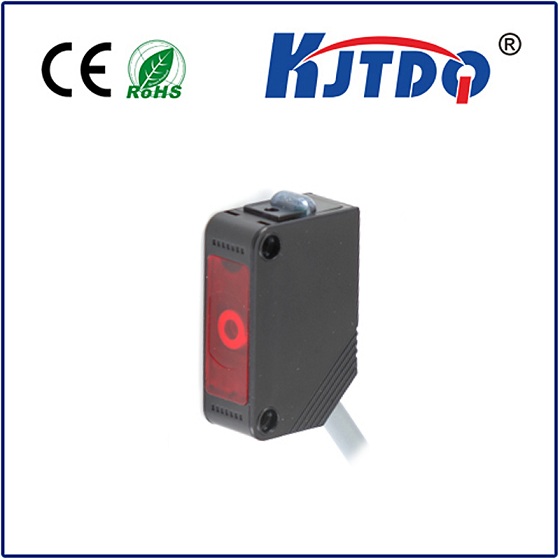
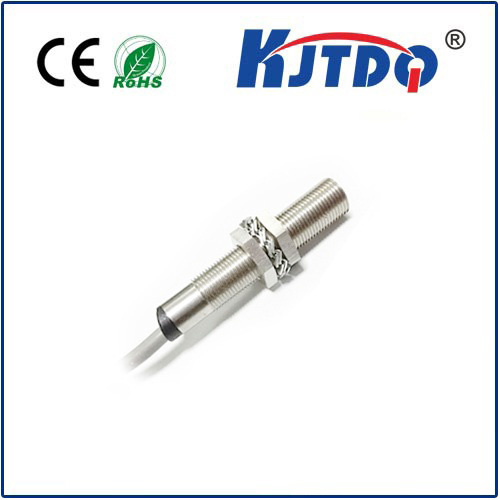
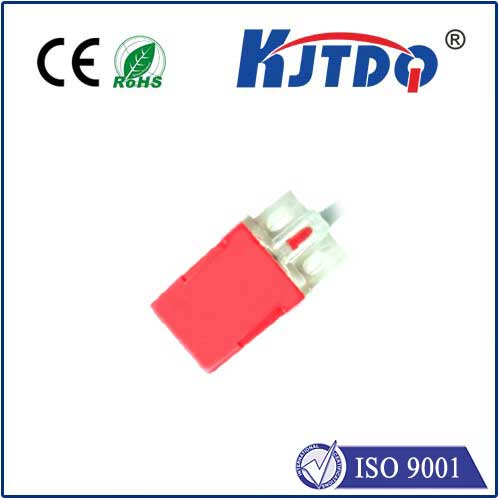
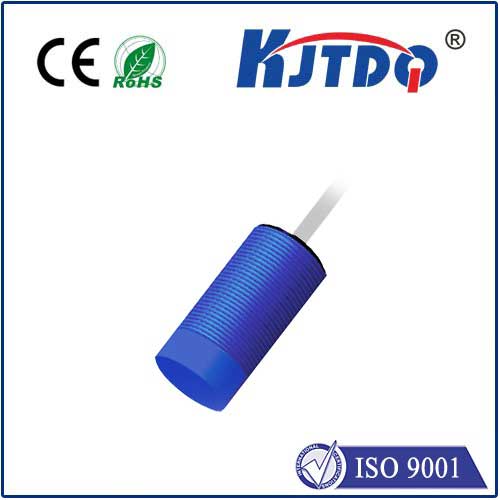
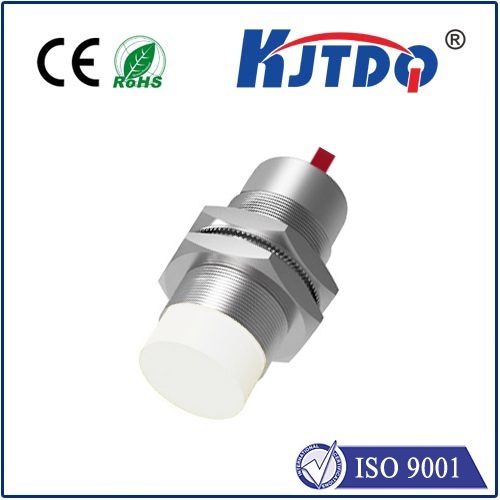
At its core, a proximity sensor for a logistics system is a device that detects the presence or absence of an object within a specific range without any physical contact. It does this by emitting an electromagnetic field or a beam of electromagnetic radiation and then looking for changes in the field or return signal. This non-contact principle is crucial in logistics environments where reliability, hygiene, and minimal wear and tear are paramount. The primary value lies in their ability to provide real-time, precise positional data to a central control system, enabling instantaneous decision-making.
The applications within a logistics framework are vast and transformative. On conveyor systems, proximity sensors accurately detect the position of packages, triggering sorting gates, diverters, or robotic arms to route items to their correct destination. This eliminates manual sorting errors and dramatically increases throughput. In automated storage and retrieval systems (AS/RS), these sensors ensure that shuttles and cranes know the exact location of racks and inventory, preventing collisions and enabling precise load handling. They are integral to palletizing and depalletizing robots, providing the "eyes" that confirm a box or item is in the correct position for picking or placing.
Furthermore, proximity sensors enhance safety in collaborative workspaces. By detecting the approach of personnel near automated guided vehicles (AGVs) or robotic work cells, they can trigger slowdowns or stops, preventing accidents. In inventory management, sensors on shelves can monitor stock levels in real-time, signaling when replenishment is needed and preventing stockouts. This granular visibility into warehouse operations is key to implementing just-in-time inventory practices and optimizing space utilization.
When selecting a proximity sensor for a demanding logistics application, several technical specifications demand careful consideration. The sensing range, or the maximum distance at which the sensor can reliably detect an object, must match the operational need. Environmental robustness is critical; sensors must be rated to withstand dust, moisture, vibration, and temperature fluctuations common in warehouses. Response time is another vital factor—the delay between detection and signal output must be fast enough to keep up with high-speed conveyor lines. Finally, the output type (e.g., digital NPN/PNP or analog) must be compatible with the existing programmable logic controller (PLC) or system architecture.
The return on investment from deploying advanced proximity sensors is compelling and multi-faceted. The most direct impact is a significant reduction in operational errors. Mis-sorted packages, misplaced inventory, and handling damage due to positional inaccuracies become rare events. This directly translates to lower costs from returns, re-shipping, and waste. Efficiency soars as automated processes flow smoothly without manual intervention or correction, allowing facilities to handle higher volumes with the same or fewer resources. Enhanced safety protects both valuable assets and, more importantly, the workforce, reducing liability and downtime from incidents. Ultimately, the data generated by a network of these sensors provides invaluable insights for continuous process optimization, creating a smarter, more responsive logistics operation.
Looking ahead, the role of the proximity sensor is set to evolve within the framework of Industry 4.0 and the Internet of Things (IoT). Future sensors will not only detect presence but will also be capable of identifying object characteristics, communicating wirelessly with central systems, and even performing edge computing to make basic decisions locally. This will lead to even more decentralized, intelligent, and resilient logistics networks. The integration of sensor data with warehouse management systems (WMS) and enterprise resource planning (ERP) software will create a fully transparent, self-optimizing supply chain.
In conclusion, the humble proximity sensor is a cornerstone technology for any modern, automated logistics system. Its ability to provide reliable, non-contact detection drives the accuracy, speed, and safety that define competitive advantage in today's market. From receiving docks to shipping bays, these devices ensure that every movement is measured, every item is accounted for, and every process flows with precision. For logistics managers and system integrators, prioritizing the selection and integration of high-performance proximity sensors is a strategic decision that pays dividends in operational excellence and customer satisfaction.