check
check
check

check
check
check
check
check

check

check
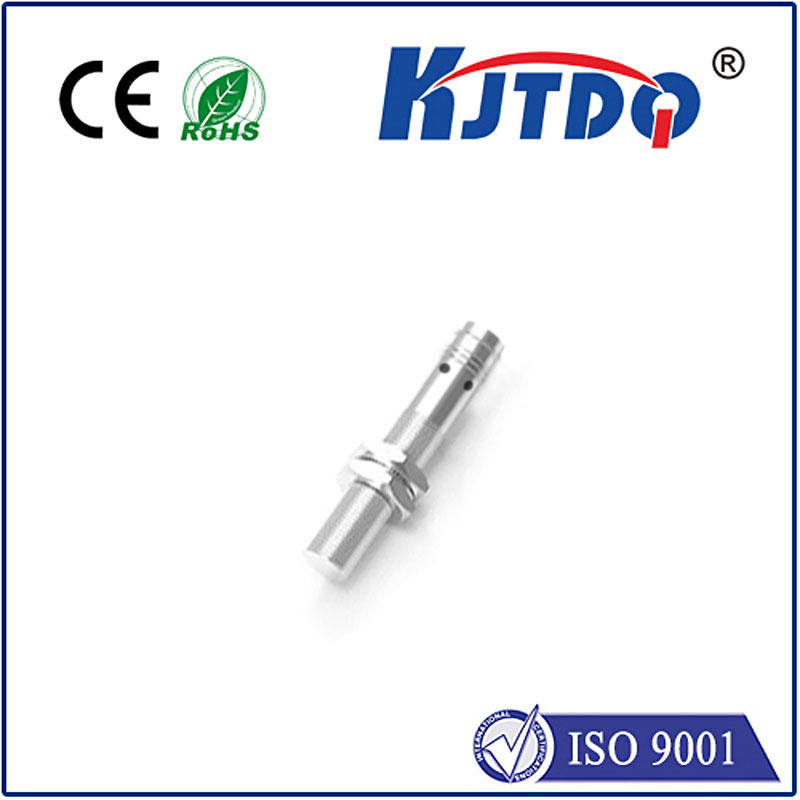
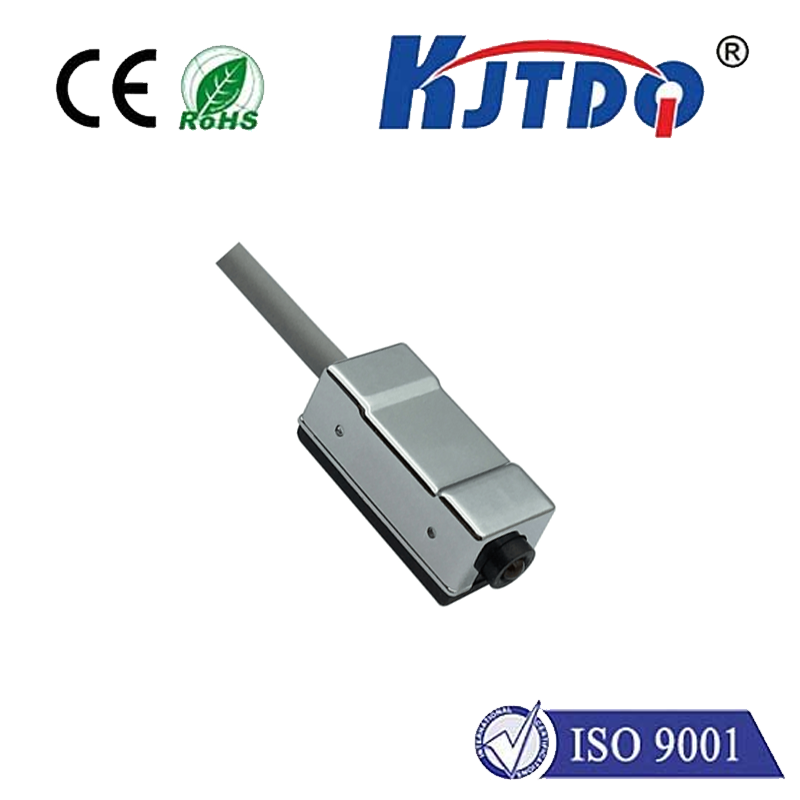
In the intricate dance of modern industrial automation, where precision and reliability are non-negotiable, a silent sentinel often goes unnoticed: the analog output proximity sensor. Unlike its digital counterpart that simply signals an on/off state, this sophisticated device provides a continuous stream of data, offering a nuanced view of the world it monitors. It doesn't just detect presence; it measures the exact distance, speed, or position of a target object, translating physical proximity into a smooth, variable electrical signal. This capability makes it an indispensable component in systems requiring granular control and feedback.
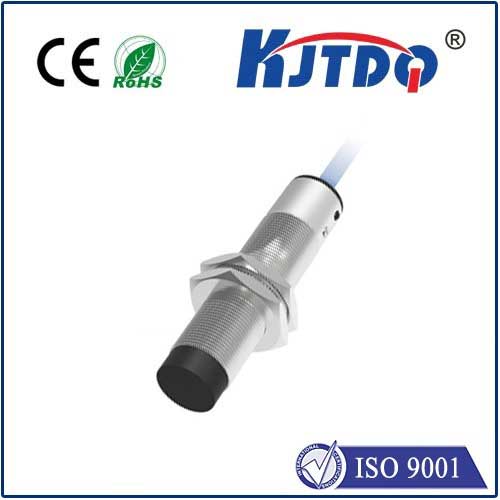
The core principle behind an analog output proximity sensor is elegantly straightforward. Typically based on inductive, capacitive, or ultrasonic technologies, these sensors generate a field or beam. When a target object enters this field, it causes a change in the sensor's internal oscillations or signal return. Crucially, the magnitude of this change is directly proportional to the distance between the sensor and the target. This analog relationship is then converted into a standardized output signal, most commonly a 4-20 mA current loop or a 0-10 V DC voltage signal. This continuous output is the sensor's language, telling the connected PLC (Programmable Logic Controller) or data acquisition system not just *if* an object is there, but *exactly how far away* it is.
The real-world applications of analog output proximity sensors are vast and critical. In automotive assembly lines, they are used for precise gap and flush measurement between body panels, ensuring the perfect fit and finish of every vehicle. Within packaging machinery, they monitor material roll diameters, providing feedback to control tension and prevent breaks or slack. In metal forming and stamping presses, they verify the precise position of a ram or die, safeguarding against catastrophic misalignment. Furthermore, they play a vital role in liquid level sensing in tanks, where the continuous output corresponds directly to the volume of contents, enabling precise inventory management and process control.
Choosing the right analog output proximity sensor involves several key considerations. The sensing technology must match the target material; inductive sensors are ideal for metals, while capacitive sensors can handle non-metals like plastics, wood, or liquids. The sensing range and required resolution are paramount—ensuring the sensor can detect at the necessary distance with the required granularity of measurement. Environmental factors cannot be ignored; sensors must be rated appropriately for conditions involving dust, moisture, washdowns, extreme temperatures, or strong electromagnetic interference. The choice between a current output (4-20 mA), known for its noise immunity over long distances, and a voltage output (0-10 V) is also a critical system design decision.
The advantages of implementing analog output sensors are significant. They enable true proportional control, allowing machinery to adjust its operation smoothly based on real-time positional feedback, leading to higher product quality and reduced waste. They facilitate predictive maintenance by trending distance measurements over time; a gradual change in the signal from a bearing monitor, for instance, can indicate wear long before a failure occurs. This continuous data stream provides a richer diagnostic picture of the entire mechanical system.
In conclusion, the analog output proximity sensor is far more than a simple detection switch. It is a precision measurement instrument, a critical feedback device that forms the sensory backbone of advanced automation. By delivering a continuous, proportional signal, it empowers control systems to make intelligent, real-time adjustments, driving efficiency, ensuring quality, and enhancing safety. In the relentless pursuit of industrial excellence, this unseen guardian provides the essential data that turns rigid automation into adaptable, intelligent, and precise operation.