check

check

check

check
check
check
check
check
check

check
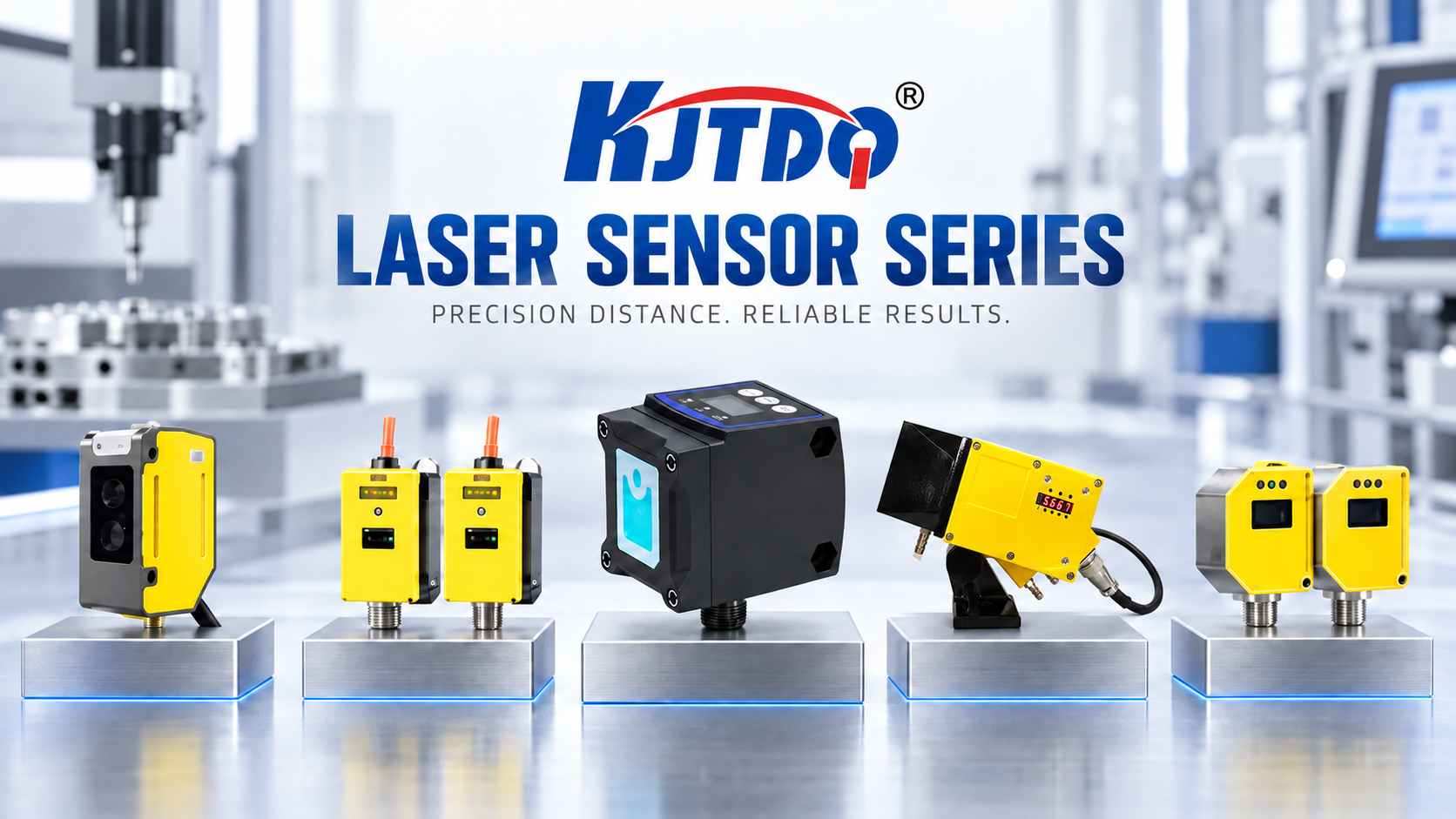
In the rapidly evolving landscape of industrial automation, the demand for reliable and precise sensing technology has never been greater. Among the various solutions available, the background suppression proximity sensor stands out as a critical component for applications requiring high accuracy in challenging environments. This technology, particularly the KJTDQ series, represents a significant advancement in overcoming common limitations associated with traditional sensors.
Traditional proximity sensors often struggle with distinguishing the target object from its background, especially when both are at similar distances or have similar reflective properties. This can lead to false triggers, operational errors, and reduced system efficiency. The background suppression proximity sensor addresses this fundamental issue head-on. Its operating principle is based on a triangulation method. The sensor emits a beam of light, typically from an LED or laser diode. The light reflects off the target object and returns to the sensor's receiver. Unlike standard diffuse sensors that measure the intensity of the reflected light, a background suppression sensor uses a position-sensitive detector (PSD) or a similar optical system. This allows it to calculate the angle of the reflected beam, thereby determining the exact distance to the object. The sensor is then programmed to only trigger when an object is within a specific, user-defined range, effectively "suppressing" signals from objects beyond that set point, which constitute the background.
The introduction of the KJTDQ series brings this sophisticated technology to a wider range of industrial applications. These sensors are engineered for robustness and precision. One of their primary advantages is the ability to reliably detect objects regardless of their color, surface texture, or reflectivity. Whether sensing a glossy black plastic component or a matte white cardboard box, the KJTDQ background suppression sensor maintains consistent performance, as its triggering depends on distance, not reflectivity. This characteristic is invaluable in packaging, material handling, and assembly lines where product variations are common.
Furthermore, the adjustable sensing range or fixed background suppression point of these sensors offers unparalleled flexibility. Technicians can fine-tune the effective sensing distance to millimeter precision, creating a very narrow and defined detection window. This is crucial for applications like object counting on conveyor belts, precise positioning in robotic pick-and-place systems, or edge detection in web guiding processes. By eliminating interference from conveyor belts, machine frames, or other objects in the periphery, the KJTDQ sensor ensures that only the intended target is detected, dramatically reducing error rates.
Durability in harsh industrial settings is another cornerstone of the KJTDQ design. Housed in rugged metal or high-grade plastic casings, these sensors are built to withstand vibrations, mechanical shocks, and environmental contaminants like dust, oil, and coolant mist. Many models feature IP67 or higher ingress protection ratings, making them suitable for washdown environments in food and beverage or pharmaceutical manufacturing. Their stable performance over a wide temperature range also ensures reliability in both refrigerated warehouses and hot factory floors.
The implementation of KJTDQ background suppression proximity sensors translates directly into operational benefits. Manufacturers experience fewer production stoppages due to sensor errors, leading to increased Overall Equipment Effectiveness (OEE). The precision detection minimizes material waste and improves product quality by ensuring processes occur at the exact correct moment. From automating warehouse logistics to controlling complex robotic arms, these sensors provide the reliable "eyes" that modern automated systems depend on.
In conclusion, as industries push towards smarter and more flexible manufacturing under the framework of Industry 4.0, the role of intelligent sensing becomes paramount. The background suppression proximity sensor, exemplified by the KJTDQ series, is no longer just an optional component but a fundamental enabler of precision, reliability, and efficiency. By solving the perennial problem of background interference, it unlocks new levels of automation potential, ensuring that machines see not just objects, but the right objects, at the right distance, every single time.