check

check

check

check
check
check
check
check
check

check
In the demanding world of industrial automation, where precision, safety, and uptime are paramount, the choice of sensing components is a critical decision. Among the myriad of options, the ISO9001-certified factory proximity sensor stands out as a benchmark for quality and reliability. This certification is not merely a plaque on the wall; it represents a rigorous, systematic approach to manufacturing that directly translates to superior performance on the factory floor.
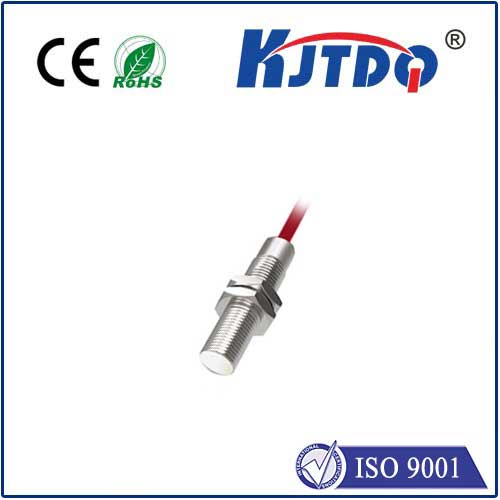
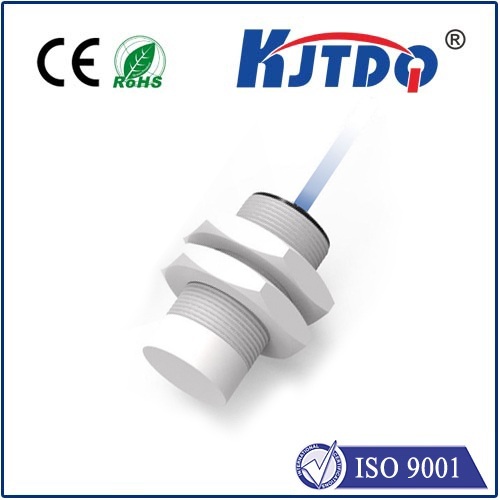
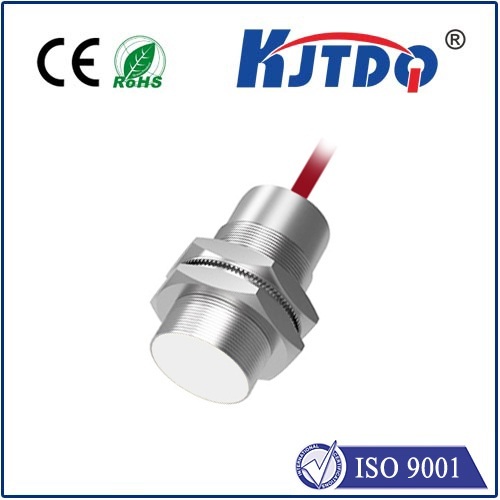
An ISO9001 factory proximity sensor is produced under a Quality Management System (QMS) that is internationally recognized. This system mandates consistent processes, thorough documentation, and continuous improvement at every stage—from design and sourcing of raw materials to assembly, testing, and final inspection. For a proximity sensor, this means every unit is built to exact specifications. The housing materials are selected for durability against oils, coolants, and physical impact. The sensing element, whether inductive, capacitive, or magnetic, undergoes stringent calibration. The electronic circuitry is designed for stability, ensuring minimal drift over time and across varying temperatures. This process-driven manufacturing eliminates the inconsistencies often found in non-certified production, leading to sensors that perform identically, batch after batch.
The operational benefits of deploying such sensors are substantial. First and foremost is enhanced reliability. In automated assembly lines, packaging machinery, or robotic cells, a sensor failure can cause a complete production halt, leading to significant downtime and financial loss. An ISO9001-certified sensor, with its proven construction and testing, dramatically reduces the risk of unexpected failures. Its high repeat accuracy ensures that objects are detected at precisely the same point every cycle, which is crucial for processes like positioning, counting, or end-of-travel detection. This consistency is the foundation of process stability.
Furthermore, these sensors contribute significantly to operational safety. In applications involving machine guarding or detecting the position of safety doors, failure is not an option. The robust design and validated performance of an ISO9001 sensor provide a higher assurance level for safety-related functions, helping plants comply with stringent international safety standards. Their immunity to electrical noise and environmental contaminants also means fewer false triggers, preventing erratic machine behavior that could pose a hazard.
From a maintenance and total cost of ownership perspective, the investment in certified sensors pays dividends. Their extended service life reduces the frequency of replacements. The reduction in unscheduled downtime translates directly to higher overall equipment effectiveness (OEE). For plant managers and procurement specialists, specifying ISO9001-certified proximity sensors simplifies the sourcing process. It provides a clear, objective criterion for vendor selection, moving the focus from price alone to guaranteed quality and long-term value. It ensures that sensors from different suppliers, all bearing the certification, meet a universally accepted standard of excellence.
In conclusion, in an era where manufacturing efficiency is tightly linked to technological robustness, the ISO9001 factory proximity sensor is far more than a component. It is a strategic asset. It embodies a commitment to quality that permeates its entire lifecycle, offering industries the reliability, precision, and safety required to thrive in a competitive landscape. Choosing such sensors is a proactive step towards building a more resilient, efficient, and predictable automation environment.