check
check
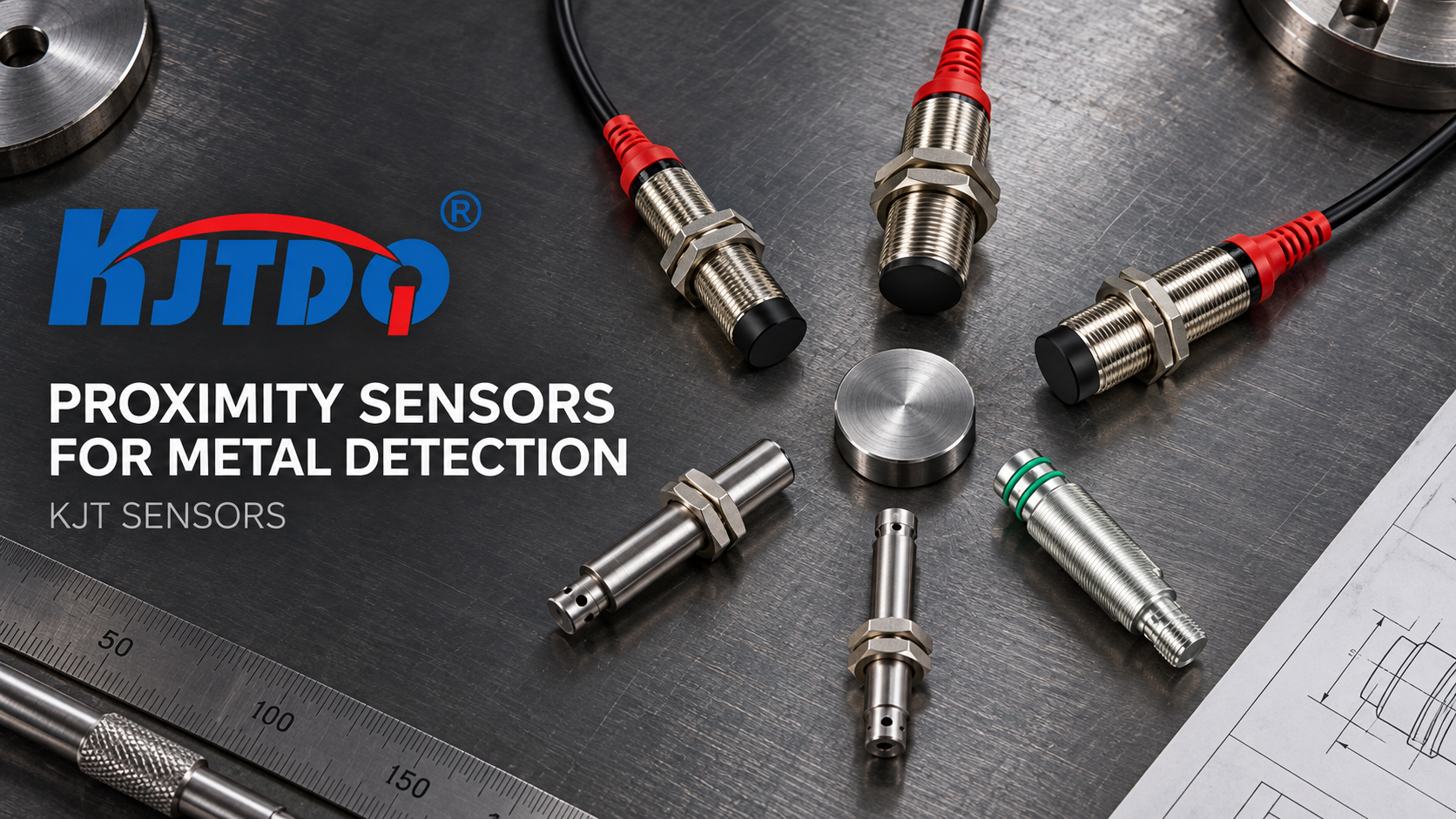
check

check
check
check
check
check

check

check
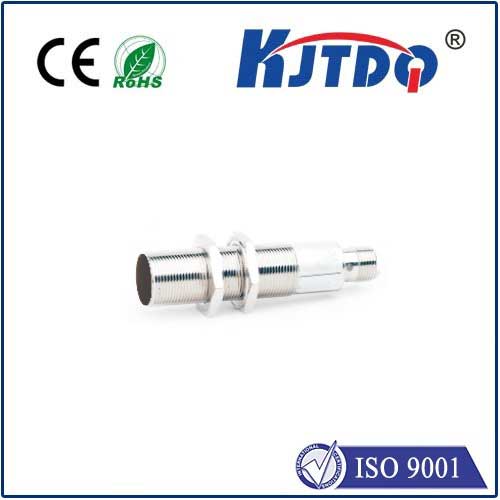
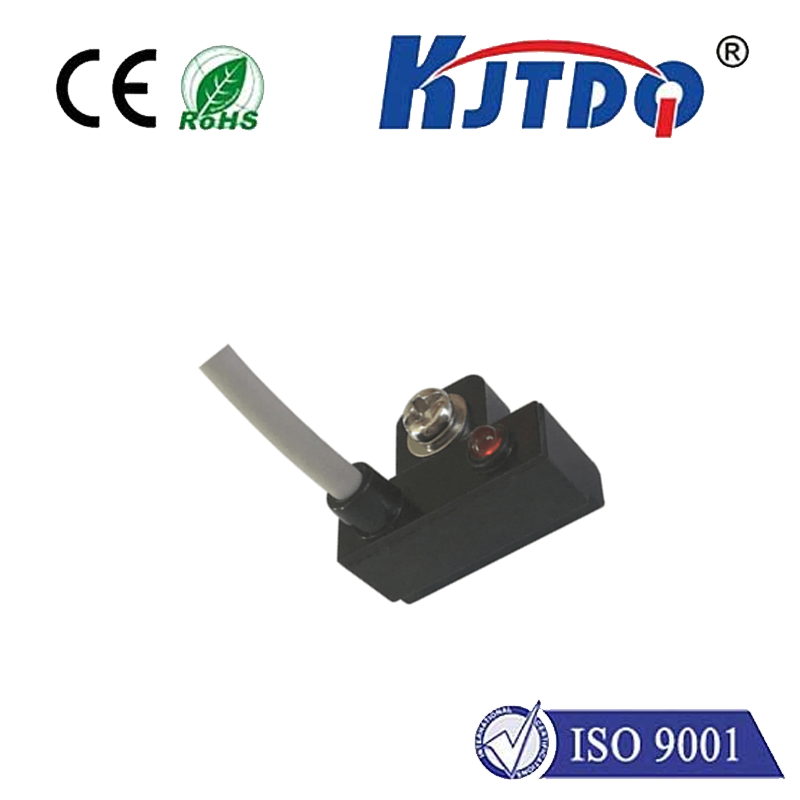
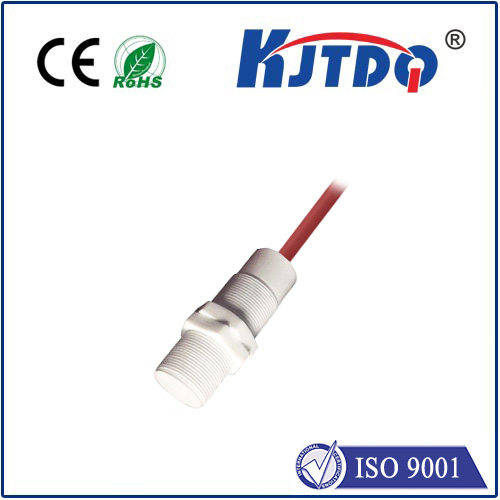
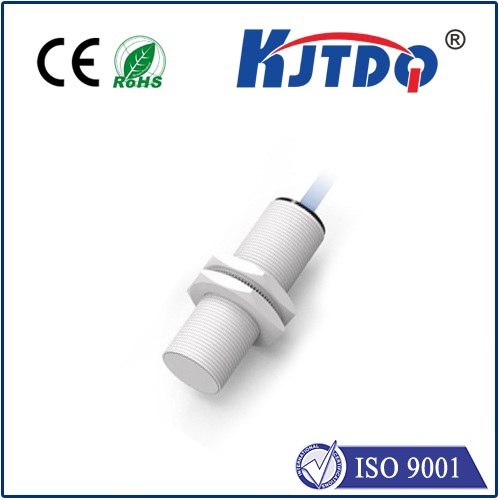
In the ever-evolving landscape of electronics and automation, the demand for smaller, smarter, and more reliable components is relentless. Among these critical components, the miniature body proximity sensor stands out as a pivotal innovation. This compact device is engineered to detect the presence or absence of an object within its sensing range without any physical contact, making it an indispensable tool across numerous industries. Unlike traditional mechanical switches or larger sensors, its tiny footprint allows for integration into space-constrained applications where precision and reliability are non-negotiable.
The core technology behind a miniature body proximity sensor typically involves electromagnetic fields, capacitive sensing, or infrared light. For instance, inductive sensors generate an oscillating electromagnetic field. When a metallic object enters this field, it causes a change in the oscillation amplitude, which the sensor detects. Capacitive sensors, on the other hand, can detect both metallic and non-metallic objects by sensing changes in capacitance. The "miniature" aspect refers not just to its physical size, often just a few millimeters in diameter, but also to its low power consumption and minimalistic design. This small form factor is achieved through advanced microelectronics and sophisticated manufacturing processes, packing robust functionality into a nearly invisible package.
The applications for these sensors are vast and varied. In consumer electronics, they are the silent workhorses enabling features like automatic screen turn-off during phone calls when the device is held near the ear. In the automotive sector, they contribute to safety and convenience systems, such as detecting a passenger's presence for airbag deployment or enabling touchless trunk opening. Industrial automation heavily relies on them for precise positioning, object counting on conveyor belts, and ensuring machine safety by detecting the proximity of operators. Even in medical devices, miniature proximity sensors play a role in equipment like infusion pumps or diagnostic tools, where hygienic, non-contact operation is crucial.
The advantages of adopting miniature body proximity sensors are compelling. Their non-contact nature eliminates mechanical wear and tear, leading to exceptional longevity and reduced maintenance costs. They offer high-speed response, capable of detecting objects in milliseconds, which is vital for high-throughput manufacturing lines. Their immunity to environmental factors like dust, oil, and moisture (with appropriate sealing) ensures stable performance in harsh conditions. Furthermore, their compact design allows engineers greater flexibility in product design, enabling sleeker and more innovative end products.
When selecting a miniature proximity sensor for a specific application, several key parameters must be considered. Sensing range, typically from a fraction of a millimeter to several centimeters, must match the operational need. The choice between sensing material (e.g., inductive for metals, capacitive for all materials) is fundamental. Output type, whether digital (NPN/PNP) or analog, must interface correctly with the control system. Environmental ratings for temperature, water, and chemical resistance are also critical for long-term reliability. Consulting with technical specialists during the design phase can prevent costly mismatches and ensure optimal system integration.
Looking ahead, the future of miniature body proximity sensors is intertwined with trends like the Internet of Things (IoT) and Industry 4.0. As devices become more interconnected and intelligent, these sensors will evolve to include embedded diagnostics, wireless connectivity, and even lower power modes for energy-harvesting applications. Their role as the fundamental "touchless" interface will only expand, making our machines more intuitive, our factories more efficient, and our everyday devices more responsive.
In conclusion, the miniature body proximity sensor is far more than just a small component. It is a sophisticated, reliable, and versatile solution that bridges the physical and digital worlds. By enabling precise, non-contact detection in the tightest of spaces, it empowers innovation across every sector it touches. For designers and engineers seeking to build the next generation of smart products, understanding and leveraging this compact guardian is a step toward creating more efficient, safe, and user-friendly technology.