check
check
check

check
check
check
check
check

check

check
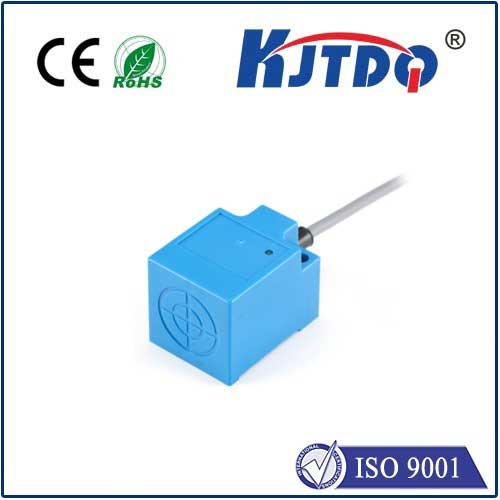
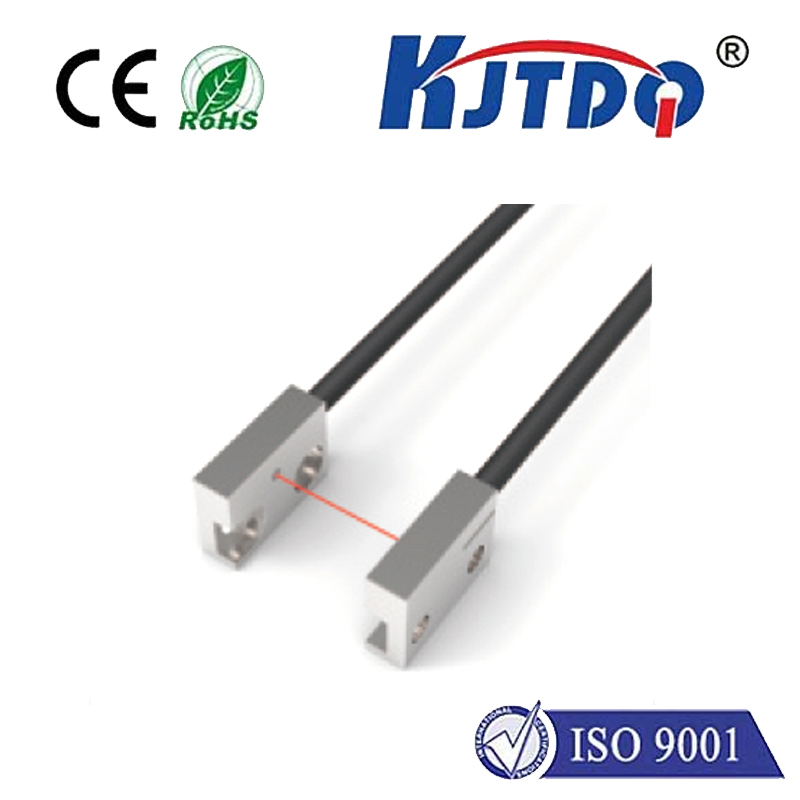
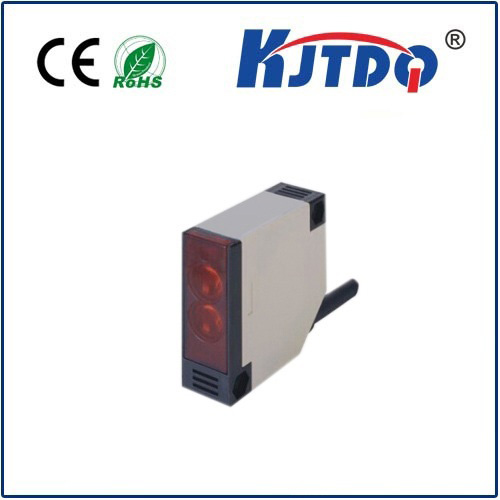
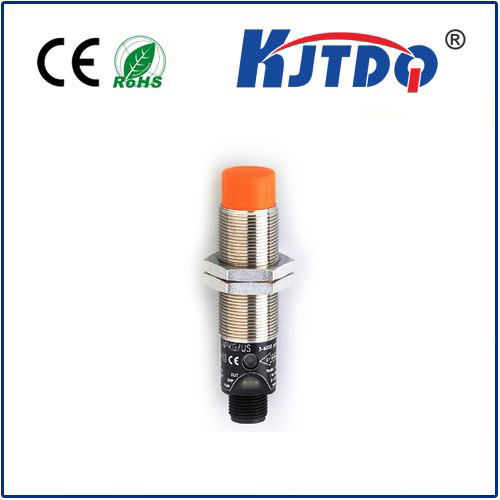
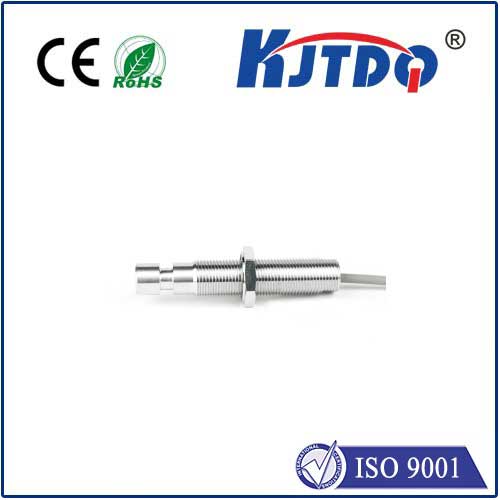
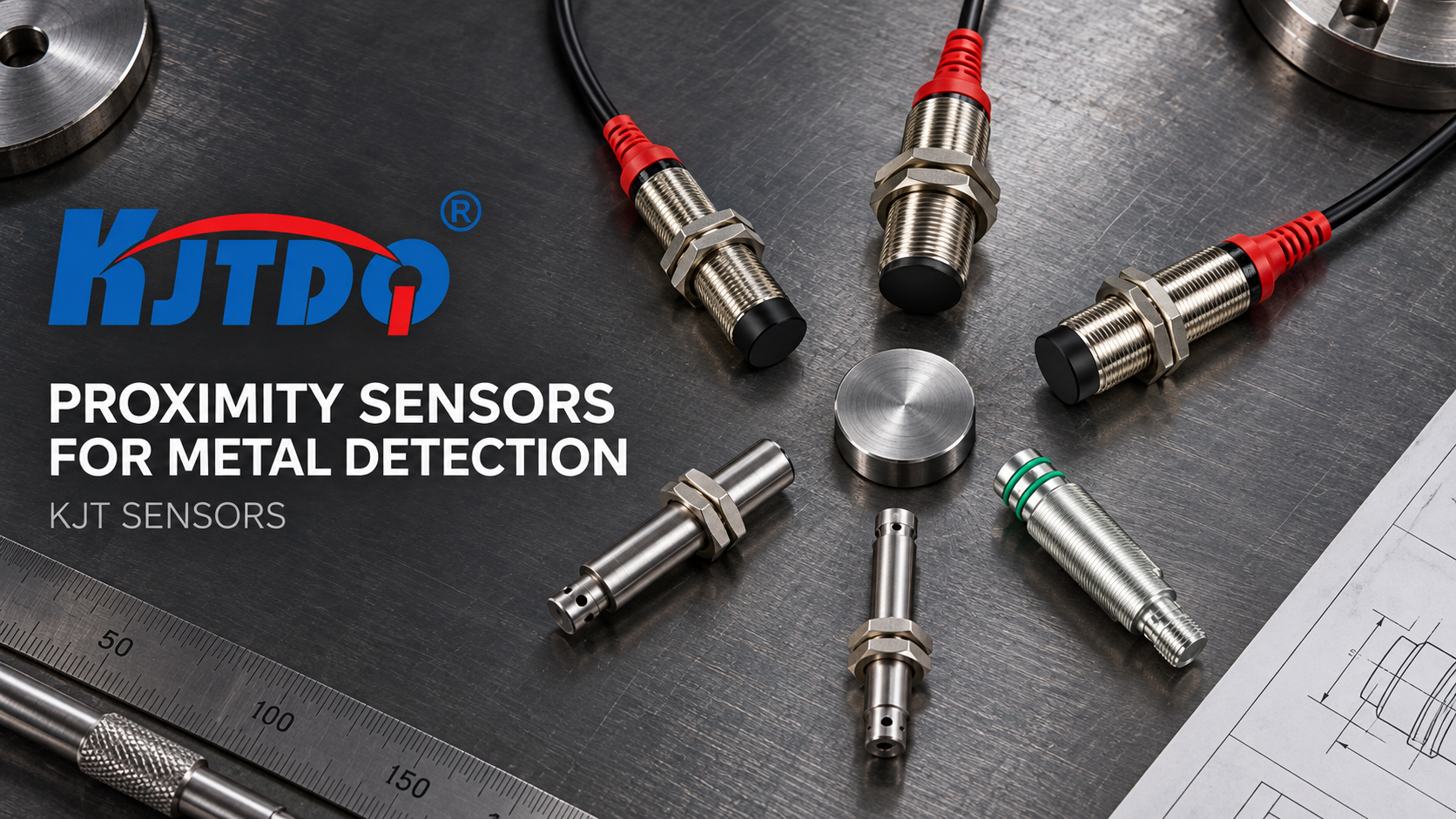
In modern industrial automation, achieving precise object detection is crucial for efficiency and safety. Bracket mounting proximity sensors have emerged as a key component in this domain, offering reliable non-contact sensing solutions. The KJTDQ series of bracket mounting proximity sensors stands out with its robust design and advanced technology, tailored to meet diverse operational demands. These sensors utilize electromagnetic fields or infrared signals to detect the presence of objects within a specified range, without physical contact, thereby reducing wear and tear and minimizing maintenance needs.
The installation of bracket mounting proximity sensors, such as the KJTDQ models, is straightforward due to their adaptable bracket designs. These brackets allow for flexible positioning in tight or complex machinery setups, ensuring optimal sensor alignment for accurate readings. Common applications include conveyor belt systems, robotic arms, and assembly lines, where they monitor product flow, prevent collisions, and trigger automated actions. For instance, in packaging industries, KJTDQ sensors can detect items on a moving line, enabling precise sorting and packaging processes. This enhances throughput while reducing errors and downtime.
One of the primary advantages of KJTDQ bracket mounting proximity sensors is their durability in harsh environments. Constructed with high-grade materials, they resist dust, moisture, and temperature fluctuations, making them suitable for factories, warehouses, and outdoor settings. Additionally, their energy-efficient operation contributes to lower power consumption, aligning with sustainability goals. Users report improved system reliability and reduced operational costs after integrating these sensors, as they provide consistent performance over long periods without frequent recalibration.
When selecting a bracket mounting proximity sensor, factors like sensing range, response time, and output type (e.g., digital or analog) should be considered. The KJTDQ series offers various options to cater to specific needs, such as short-range detection for delicate tasks or longer ranges for bulk handling. Regular maintenance involves simple cleaning and periodic checks to ensure unobstructed sensor surfaces, which helps maintain accuracy. Industry experts recommend consulting technical specifications to match the sensor with application requirements, as improper selection can lead to inefficiencies.
In summary, bracket mounting proximity sensors, exemplified by the KJTDQ line, play a vital role in advancing automation systems. Their ease of installation, resilience, and precision make them indispensable for modern manufacturing and logistics. By investing in quality sensors like these, businesses can boost productivity, enhance safety, and stay competitive in an increasingly automated world. As technology evolves, innovations in sensor design continue to push boundaries, promising even greater integration and performance in the future.