check

check

check

check

check

check
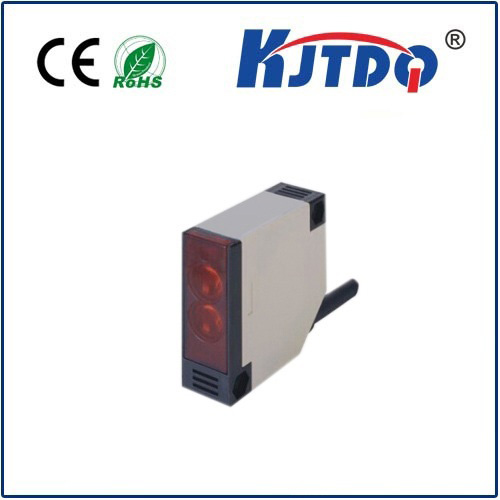
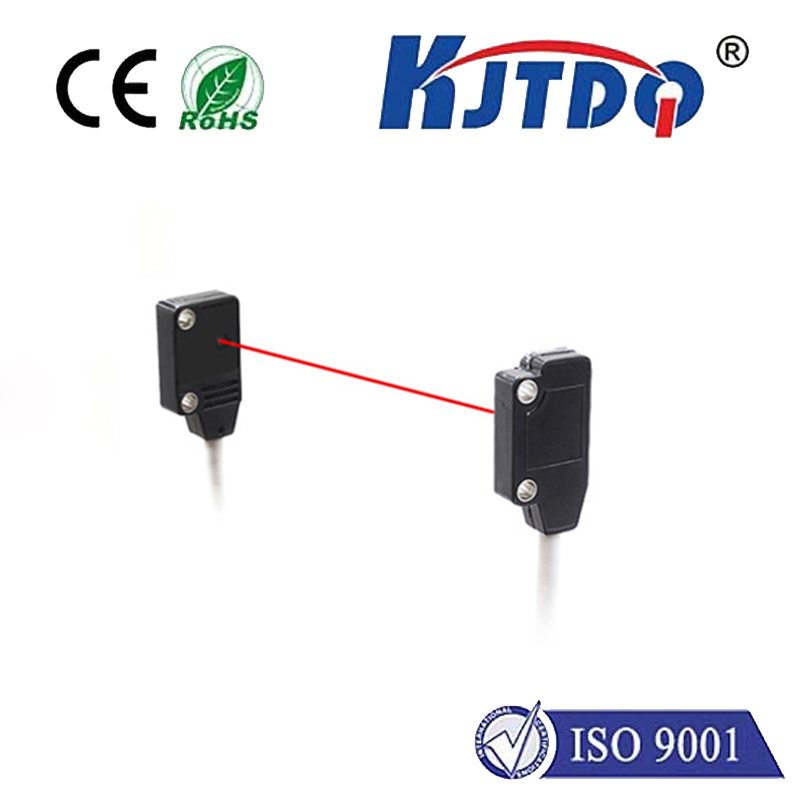
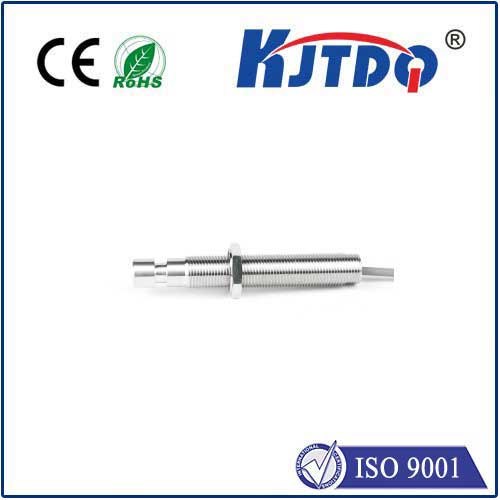
In the dynamic landscape of modern manufacturing, the relentless pursuit of efficiency, safety, and precision has driven technological innovation to new heights. At the heart of this evolution lies a critical, yet often understated component: the proximity sensor. Specifically engineered for industrial automation, these devices are fundamental in transforming production lines into intelligent, responsive, and highly reliable systems. Unlike traditional mechanical switches, proximity sensors perform their duties without any physical contact, detecting the presence or absence of objects through electromagnetic fields, light, or sound. This non-contact operation is a game-changer, eliminating mechanical wear and tear, reducing maintenance costs, and significantly enhancing operational longevity.
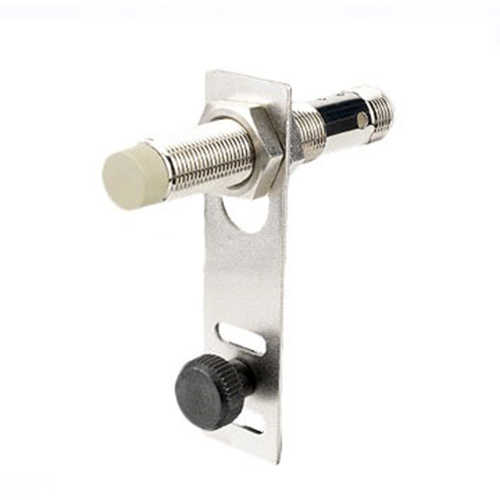
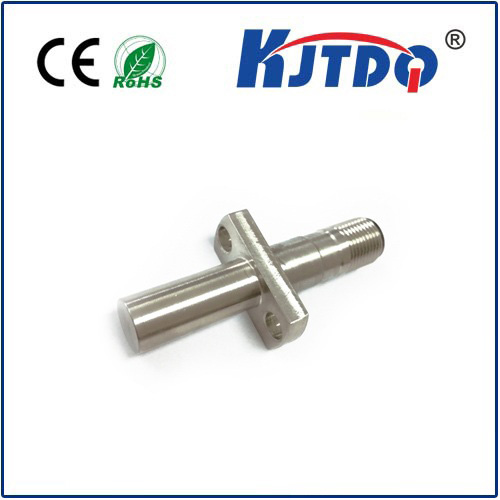
The core functionality of a proximity sensor in an automated setting is remarkably versatile. Inductive sensors, for instance, are exceptionally adept at detecting metallic objects. They generate an oscillating electromagnetic field, and when a metal target enters this field, it induces eddy currents that dampen the oscillation, triggering the sensor's output. This makes them indispensable in metalworking, automotive assembly, and robotic pick-and-place applications, where precise positioning of metal components is paramount. On the other hand, capacitive sensors can detect a wider range of materials, including liquids, plastics, and wood, by measuring changes in capacitance. This capability is crucial in packaging, food and beverage processing, and pharmaceutical industries, where non-metallic object detection is routine.
The integration of these sensors into Programmable Logic Controller (PLC) systems forms the nervous system of an automated factory. A proximity sensor acts as the eyes of the operation, providing real-time, binary feedback—object present or absent—to the central control unit. This simple signal is the catalyst for complex sequences. For example, a sensor detecting a widget on a conveyor belt can trigger a robotic arm to weld, paint, or assemble. It can halt a machine if a safety guard is removed or count products as they pass a checkpoint for inventory management. This seamless flow of information enables just-in-time production, minimizes waste, and ensures consistent product quality by verifying each step of the process.
Beyond basic detection, advanced proximity sensors contribute to predictive maintenance strategies. By monitoring operational parameters and providing diagnostic data, they can alert technicians to potential issues before a catastrophic failure occurs. This shift from reactive to proactive maintenance prevents unplanned downtime, which is a major cost driver in industrial operations. Furthermore, the robustness of modern industrial-grade proximity sensors cannot be overstated. They are designed to withstand extreme environments—resisting vibration, moisture, temperature fluctuations, and electromagnetic interference. This durability ensures reliable performance in harsh conditions, from foundries to wash-down areas in food plants.
The evolution towards Industry 4.0 and the Industrial Internet of Things (IIoT) has further elevated the role of the proximity sensor. Smart sensors now come equipped with IO-Link and other communication protocols, allowing them to transmit not just a simple on/off signal, but rich data about their own status, temperature, and switch cycles. This data can be aggregated and analyzed to optimize entire production processes, enabling a level of granular control and efficiency previously unattainable. In essence, these sensors are no longer just switches; they are intelligent data points on the factory network.
Implementing the right proximity sensor requires careful consideration of several factors: the sensing distance required, the material of the target object, the environmental conditions, and the required output type. Correct selection and installation are critical to achieving the desired reliability and accuracy. A misapplied sensor can lead to false triggers, missed detections, and production errors. Therefore, collaboration with knowledgeable suppliers and technicians is essential to tailor the sensor solution to the specific application.
In conclusion, the proximity sensor is a cornerstone of industrial automation, a silent workhorse that enables the speed, precision, and intelligence of modern manufacturing. From ensuring worker safety by monitoring machine access points to guaranteeing product consistency through precise positional feedback, its impact is pervasive. As automation continues to advance, the humble proximity sensor will undoubtedly evolve in tandem, offering even greater intelligence, connectivity, and resilience, solidifying its vital role in building the factories of the future.