check

check

check

check

check

check
In the intricate world of heating, ventilation, and air conditioning (HVAC) systems, numerous components work in silent harmony to ensure your home remains comfortable year-round. Among these critical parts, the inducer motor and its associated limit switch play a pivotal, yet often overlooked, role. This combination is fundamental to the safe and efficient operation of many modern furnaces, particularly high-efficiency condensing models. Understanding how they function together can demystify common system failures and highlight the importance of professional maintenance.
The inducer motor is essentially a small, electrically powered fan or blower. Its primary job is to initiate the draft needed for combustion in a gas furnace. Before the main burners ignite, the inducer motor activates, drawing air into the combustion chamber and creating a negative pressure. This crucial step serves multiple purposes: it ensures there is sufficient oxygen for clean combustion, helps expel any residual gases from previous cycles, and establishes a steady flow for exhaust gases to be vented safely out of the home through the flue pipe. Without this induced draft, combustion would be inefficient, unsafe, and could lead to dangerous backdrafting of carbon monoxide.
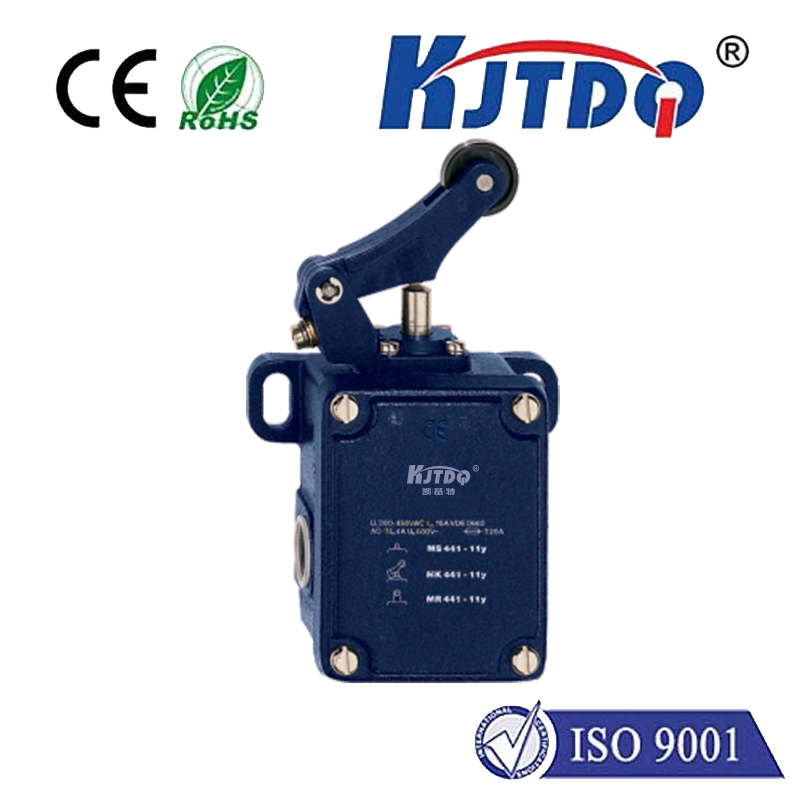
This is where the inducer motor limit switch, often simply called a pressure switch or draft safety switch, enters the picture. It acts as the system's vigilant guardian. The switch is connected by a small rubber or plastic tube to the inducer housing or the draft assembly. As the inducer motor runs, it creates a specific pressure or vacuum within this chamber. The limit switch is calibrated to detect this precise pressure change. Only when the correct pressure/vacuum is sensed—confirming that the inducer motor is running at the proper speed and that the venting path is clear—will the switch close its electrical circuit.
The closure of this circuit is the green light for the furnace's control board. It signals that conditions are safe to proceed. The control board then allows the ignition sequence to continue, powering the hot surface ignitor or spark ignitor and finally opening the gas valve to light the burners. If the inducer motor fails to start, runs too slowly, or if there is a blockage in the flue pipe or air intake, the required pressure will not be achieved. Consequently, the limit switch remains open, the circuit is broken, and the furnace will halt its startup sequence, often entering a safety lockout mode. This prevents the release of unburned gas or the operation of the burners without proper ventilation, which is a critical safety feature.
Common symptoms of a problem within this inducer motor and limit switch system are clear. Homeowners may hear the inducer motor start but then shut off after a few seconds without the main burners ever igniting. The furnace might short cycle repeatedly, attempting to start but failing each time. Many modern furnaces are equipped with diagnostic LED lights on the control board that will flash a specific error code, frequently pointing to an "open pressure switch" or "failed inducer" issue. These symptoms should never be ignored.
Several factors can cause this safety chain to break. A failing inducer motor itself, with worn bearings or a faulty capacitor, may not spin fast enough to create the necessary draft. The most common culprit is often a blockage. Over time, nests from small animals, leaves, or snow can obstruct the external vent terminal. Internally, the flue pipe can become restricted. Even the small plastic tube connecting the switch to the inducer assembly can become cracked, clogged with condensation, or dislodged, giving a false reading to the switch. Lastly, the limit switch, a mechanical device, can simply wear out or fail.
When faced with such issues, professional diagnosis is paramount. A certified HVAC technician will not only test the electrical continuity of the switch and the operation of the motor but will also perform a manometer test to measure the actual pressure in the system against the switch's specifications. They will inspect the entire venting pathway for obstructions. It is strongly advised against attempting to bypass the limit switch, as this disables a vital safety mechanism and creates a severe risk of carbon monoxide poisoning.
Regular maintenance is the key to preventing failures. An annual furnace tune-up by a qualified professional should always include a thorough inspection and cleaning of the inducer motor assembly, a check of the pressure switch operation, and an inspection of all venting and air intake lines. Keeping the area around exterior vents clear of debris, vegetation, and snow buildup is a simple but effective homeowner task that supports system longevity.
In summary, the partnership between the inducer motor and its limit switch is a perfect example of engineered safety and efficiency in HVAC technology. The motor creates the essential draft for combustion, while the switch verifies its success, acting as a critical gatekeeper for the entire ignition process. Recognizing the importance of this duo helps homeowners appreciate the complexity of their comfort systems and underscores the necessity of prompt, professional attention when the familiar hum of the furnace doesn't lead to warm air flowing from the vents. Their reliable operation ensures not just comfort, but most importantly, safety within the home.