check

check

check

check

check

check
In the complex landscape of industrial automation and machinery, safety is not merely a regulatory requirement but a fundamental operational cornerstone. Among the myriad components dedicated to this critical function, the L200F limit safety switch stands out as a pivotal device designed to prevent equipment damage and, more importantly, protect personnel. This article delves into the functionality, applications, and key considerations for implementing this specific safety component effectively.
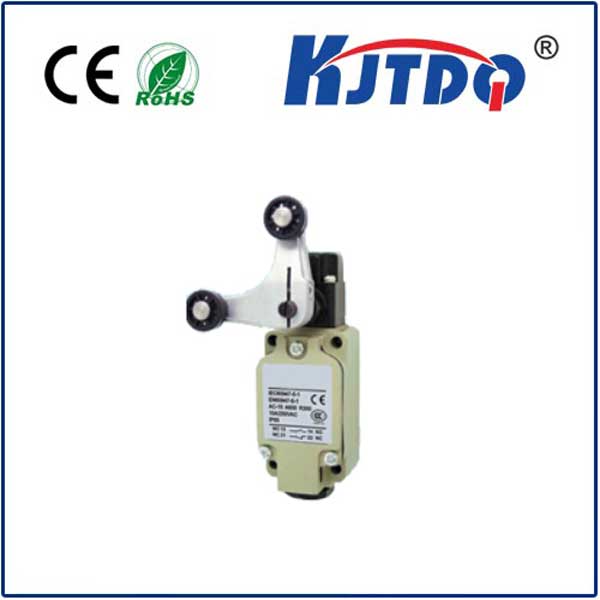
The L200F is a type of limit switch engineered to act as a safety interlock. Its primary role is to monitor the position or limit of motion of a machine part. When a moving component reaches a predetermined point, the switch is actuated, sending a signal to the machine's control system to halt or alter operation. This simple yet crucial action prevents over-travel, which could lead to mechanical failure, collisions, or hazardous situations for operators. The "F" designation often relates to its specific form factor, mounting style, or electrical characteristics, making it suitable for a range of industrial environments, from packaging lines to heavy machinery.
What distinguishes a safety-rated switch like the L200F from a standard limit switch is its design integrity and reliability. These switches are typically built with robust housings, often from metal or high-grade polymers, to withstand harsh conditions including dust, moisture, vibration, and temperature fluctuations. Internally, the contacts are designed for positive operation, sometimes featuring a forced-break mechanism that ensures the contacts open reliably even in the case of welding or sticking. This fail-safe design is critical for safety applications, as it ensures the machine stops if the switch itself malfunctions.
Integration into a safety circuit is a key aspect of deploying the L200F. It is commonly connected in series with other safety devices, such as emergency stop buttons or light curtains, forming a safety loop. When any device in this loop is activated (e.g., the L200F is tripped), the circuit breaks, de-energizing the safety relay and commanding the machinery to enter a safe state. Proper wiring, following relevant standards like ISO 13849 or IEC 62061, is essential to maintain the required Safety Integrity Level (SIL) or Performance Level (PL).
Selecting the right L200F switch for an application involves several practical considerations. First, assess the actuator type—lever, roller plunger, or rod—based on the motion being monitored. The operating force, reset force, and repeat accuracy are technical specs that must match the mechanical process. Environmental factors are equally important; an IP67-rated switch, for instance, offers protection against temporary immersion, making it ideal for washdown areas in food processing. Regular testing and maintenance are non-negotiable. Even the most robust switch can fail if not periodically checked for proper alignment, clean contacts, and secure mounting.
Beyond the technical specifications, the real-world value of the L200F limit safety switch lies in risk reduction. By reliably defining the boundaries of machine movement, it serves as a first line of defense. It helps companies comply with occupational safety and health regulations, reducing the risk of costly downtime, equipment repair, and most critically, workplace accidents. Its role is often silent and unnoticed until the moment it is needed, at which point its correct operation becomes paramount.
In conclusion, the L200F limit safety switch is more than just a component; it is an integral part of a holistic safety culture. Its implementation requires careful planning, from selection and installation to integration and ongoing maintenance. By understanding its function and ensuring its proper use, engineers and safety professionals can create a safer, more reliable, and more efficient industrial operation. Investing in such dedicated safety technology is an investment in both human well-being and long-term operational resilience.