

check

check

check

check

check

check

check

check

check

check
Industrial wireless sensors let a plant watch remote or scattered equipment without pulling a signal cable to every point. Each node pairs a sensing element with a radio link, and a smart gateway gathers the readings and passes them on for centralized management and early warning when something looks abnormal. KJT Sensors offers wireless sensors and smart gateways as one industrial IoT product system aimed at remote site monitoring, distributed data collection and equipment-state management.

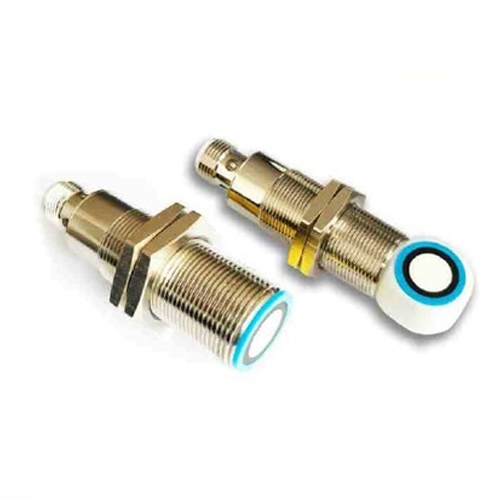
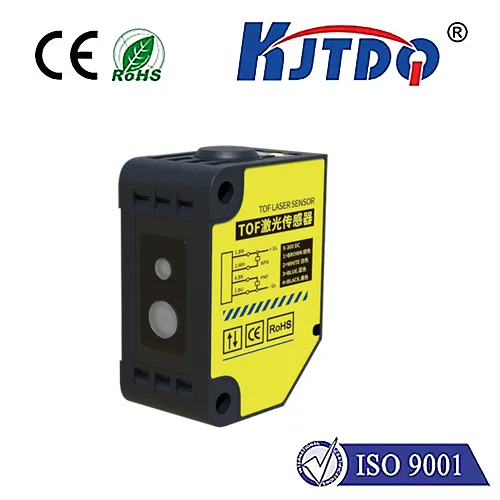
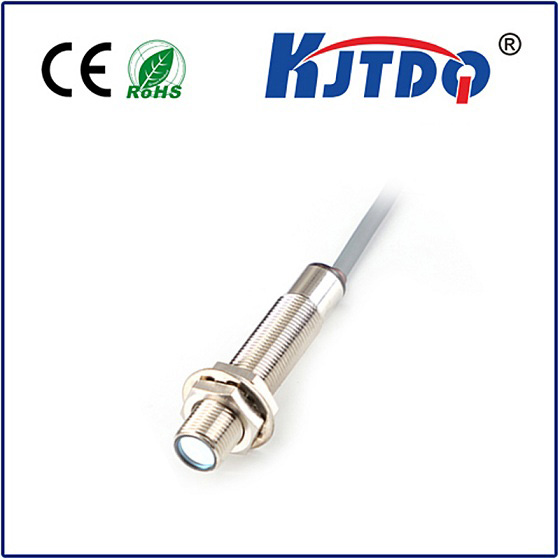
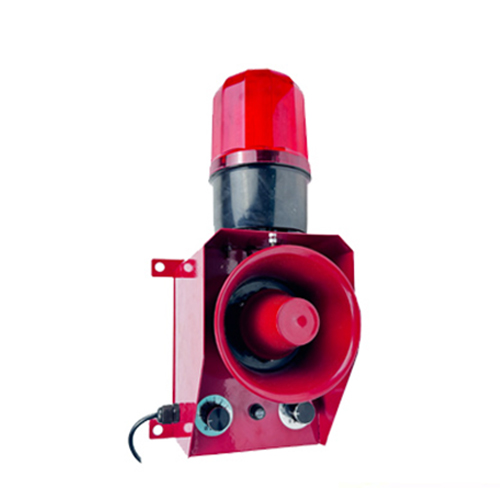
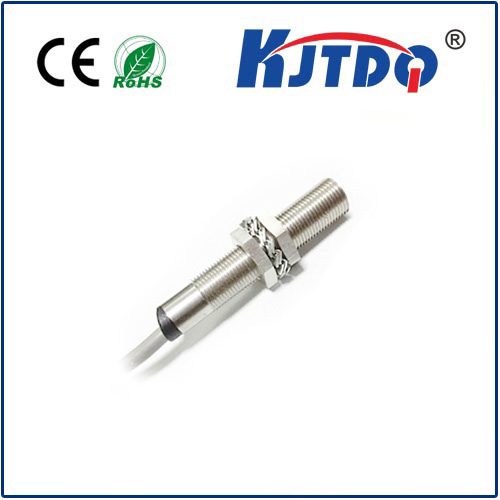
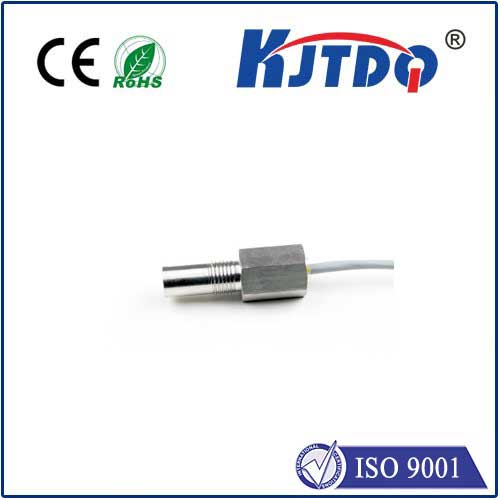
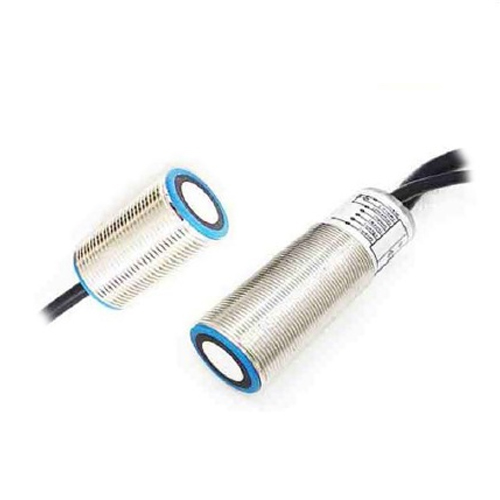
Figure 1. KJT Sensors industrial wireless sensor product range for remote equipment monitoring.
It moves data in two hops: the node sends its reading over radio to a gateway, and the gateway forwards it to a monitoring platform. A typical node is built from a sensor, a small processor, a communication module, an energy supply and a protective shell. The sensing part itself can be contact or non-contact, depending on what it measures, so a wireless travel-limit switch and a wireless temperature probe share the same radio idea but work very differently at the point of measurement.
The gateway is the piece that turns a handful of transmitters into a system. It connects and manages many kinds of wireless sensors, handles centralized data transmission and hands the information to a platform access layer for remote monitoring and data management. Common radio choices include Wi-Fi, ZigBee and LoRa, and the network can be arranged as a star, a chain or a tree, depending on how the points are spread across the site.
Wireless is worth considering when measurement points are dispersed, cabling is awkward or expensive, manual inspection rounds take too long, or the equipment has to be managed from somewhere else. Plant teams usually describe the same set of frustrations:
monitoring points scattered across a large site, each needing its own cable run;
cabling work that costs a lot and interrupts production while it is installed;
inspection rounds that are slow and only show a problem after it has grown;
data that sits in separate places instead of in one view;
fixed cable layouts that cope badly with moving machines or far-off points.
Wireless networks are designed around low power consumption, low cost, small size and dependable operation, which is why they suit multi-point monitoring rather than a single critical loop sitting next to the control cabinet.
They cover a wide spread of measured values and machine types. Typical applications include distributed equipment monitoring in plants, wireless acquisition of temperature, humidity and pressure, wireless vibration and water-ingress monitoring, wireless travel-limit and proximity detection, wireless conveyor protection and remote level monitoring. They also support inspection work in mining and electric-power facilities, smart-factory retrofits and unattended monitoring points where nobody is on hand to read a gauge.
A good illustration is an outdoor clarifier at a water treatment works. The rake bridge rotates slowly over a large basin, and running a trailing cable across that moving structure is a constant nuisance. A wireless node on the bridge can report position or condition back to a gateway at the edge of the tank, so the cable that would follow the rotating structure is no longer needed.
Start with the points themselves: how many there are, how far apart they sit and what each one has to measure. Then think about power, because a node that reports often needs a different energy plan from one that sends a reading now and then. The layout of the site decides which network structure fits, and walls, steel structures or long open distances all affect how the radio link behaves. Finally, agree where the data should end up, whether that is a local display, a control system or a remote platform used by maintenance staff.
The product range, radio options and reporting behaviour differ from one model to the next, so the final selection should be checked against the datasheet and, for unusual sites, an application review.
Does every wireless sensor work without touching what it measures?
No. The radio link is wireless, but the sensing element can be mechanical, such as a wireless limit switch that is still pressed by a moving part, or non-contact, such as a proximity or temperature node.
Why is a gateway needed if each sensor already has a radio?
The gateway collects readings from many nodes, manages their connections and forwards the data to a platform. Without it, each node would need its own route to the monitoring system.
Can wireless nodes be added to an existing plant?
Yes, retrofits are one of the common uses, because adding nodes avoids new cable trays and reduces disruption to running production.
What happens on rotating or travelling machines?
Wireless nodes remove the need for a cable that follows the moving part, which is the main reason they are chosen for slewing bridges, carriages and similar structures.