check

check

check

check
check
check
check
check
check

check
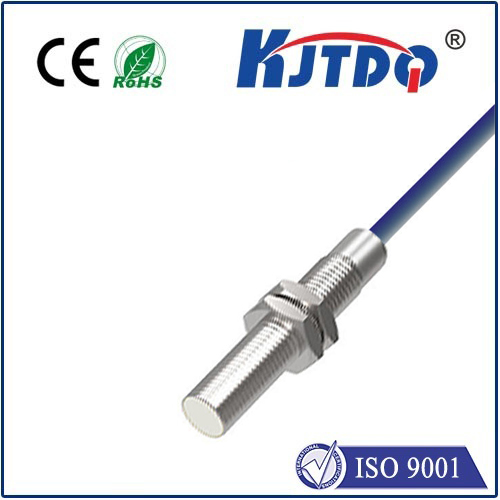
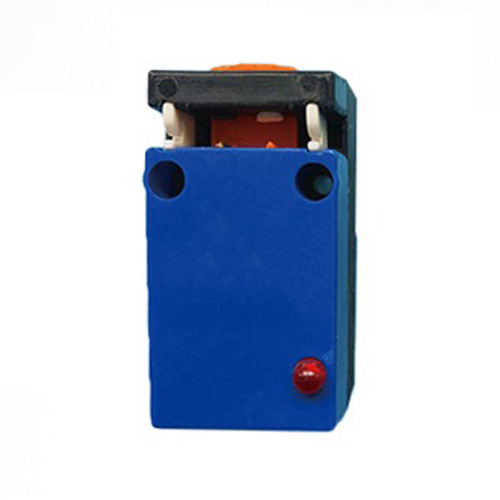
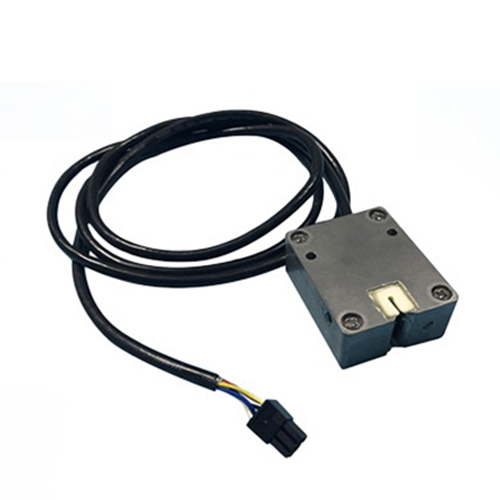
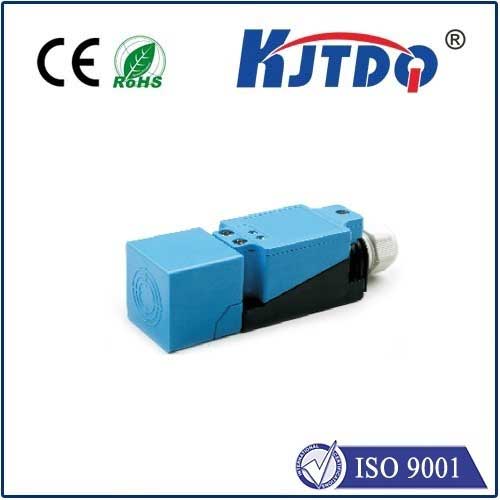
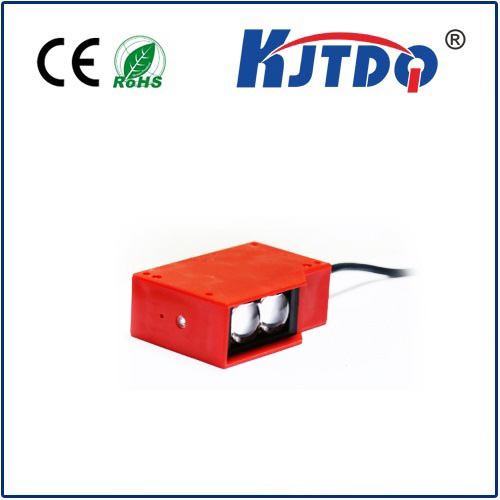
In the realm of industrial automation and machinery, precision and reliability are non-negotiable. The KJTDQ brass nickel plated proximity sensor stands as a pivotal component, engineered to meet the rigorous demands of modern manufacturing environments. This sensor exemplifies how material choice and advanced plating technology converge to deliver superior performance.
The core of this sensor's durability lies in its brass housing, which is plated with nickel. Brass, known for its excellent machinability and corrosion resistance, provides a robust structural foundation. The addition of a nickel plating serves multiple critical functions. It significantly enhances the sensor's resistance to corrosion, particularly against harsh chemicals, moisture, and varying atmospheric conditions commonly found in factories, warehouses, and outdoor applications. This plating also improves the sensor's overall hardness and wear resistance, ensuring a longer operational lifespan even in settings with significant vibration or physical abrasion. Furthermore, the nickel finish offers a stable, low-contact resistance surface, which is crucial for maintaining consistent electrical performance and signal integrity.
Functionally, a proximity sensor like the KJTDQ model operates on the principle of electromagnetic field detection. It can detect the presence or absence of a metallic target without any physical contact. This non-contact operation eliminates mechanical wear and tear, leading to minimal maintenance and reduced downtime. The brass nickel plated construction makes it exceptionally suitable for detecting ferrous metals, such as steel and iron, with high repeat accuracy. Typical applications are vast and varied, including position sensing on conveyor belts, counting objects on production lines, monitoring rotational speed of machinery, and ensuring safety by detecting the open or closed state of doors or guards.
One of the standout advantages of the KJTDQ brass nickel plated sensor is its environmental robustness. Unlike standard sensors, it can reliably perform in challenging conditions where exposure to coolants, oils, metal chips, and dust is frequent. The sealed design, often meeting IP67 standards, protects the internal electronics from liquid and solid ingress. This makes it an ideal choice for machine tools, packaging equipment, automotive assembly lines, and material handling systems. Its consistent performance directly contributes to enhanced process efficiency, reduced waste from faulty readings, and improved overall equipment effectiveness (OEE).
When selecting a proximity sensor for a critical application, factors such as sensing range, output type (e.g., NPN or PNP), supply voltage, and housing size are paramount. The KJTDQ series is typically available in various configurations to fit specific needs. Installation is straightforward, but it is crucial to ensure proper alignment with the target and to maintain the recommended sensing distance for optimal functionality. Regular checks for physical damage to the housing or buildup of contaminants on the sensing face will help maintain its long-term reliability.
In conclusion, the integration of a brass nickel plated proximity sensor like the KJTDQ model into an industrial system is a strategic investment in reliability and precision. Its construction addresses the core challenges of industrial environments, offering a resilient solution that supports continuous, efficient, and safe operations. By choosing a sensor built with these quality materials and advanced plating, engineers and maintenance teams can achieve greater control over their automated processes, leading to sustained productivity and cost savings over the long term.