check

check

check

check
check
check
check
check
check

check
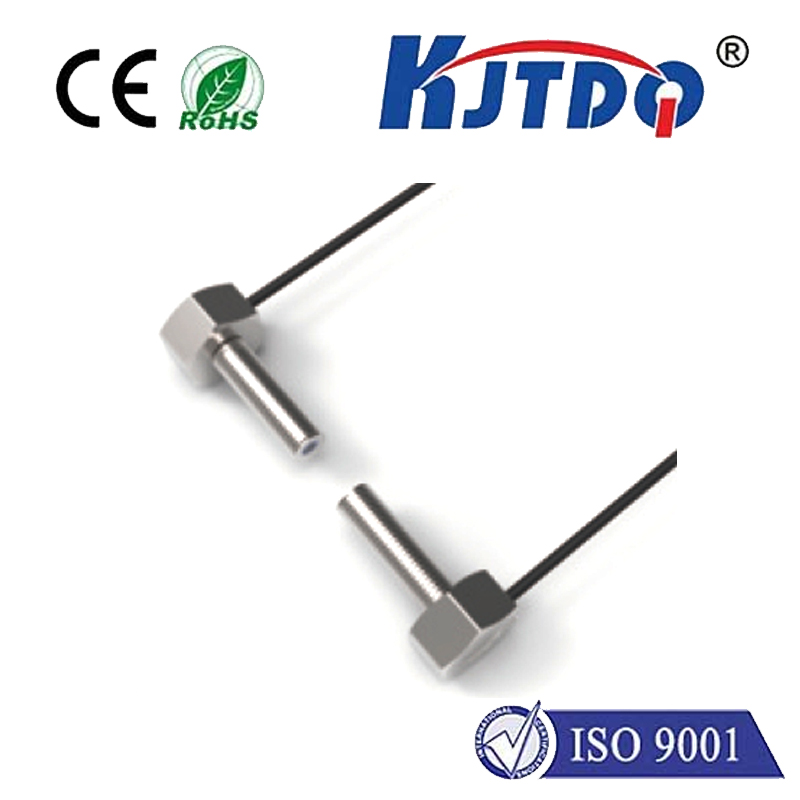
In the world of industrial automation, machine safety, and precision manufacturing, the ability to detect an object's presence or absence with unwavering accuracy is not just a convenience—it's a critical requirement for efficiency, quality, and safety. This is where the high precision detection proximity sensor steps into the spotlight, representing a pinnacle of sensing technology designed for applications where margin for error is zero. Unlike standard sensors, these advanced devices deliver exceptional repeatability, minimal hysteresis, and superior resolution, making them indispensable in modern high-stakes environments.
At its core, a high precision proximity sensor operates on the same fundamental principles as its standard counterparts, often utilizing inductive, capacitive, or photoelectric technologies. However, the distinction lies in the meticulous engineering and enhanced components that push performance boundaries. For inductive sensors, this means advanced coil designs and sophisticated ASICs (Application-Specific Integrated Circuits) that can detect even the slightest changes in the electromagnetic field caused by a metallic target. The result is detection with micron-level precision, consistent performance across temperature fluctuations, and remarkable immunity to electrical noise common in industrial settings. This allows for the reliable detection of tiny components, precise positioning of robotic arms, or monitoring of minute displacements in assembly lines.
The applications for such sensors are vast and varied. In the semiconductor and electronics manufacturing industry, they are used to verify the placement of microscopic chips on circuit boards or to ensure the precise alignment of lithography masks. In automated packaging lines, they guarantee that labels are applied exactly at the correct position every single time, eliminating waste and rework. Within the realm of precision machining and CNC operations, these sensors provide critical feedback for tool positioning and wear monitoring, ensuring that each cut meets exact specifications. Furthermore, in medical device assembly and pharmaceutical packaging, where tolerances are exceptionally tight and hygiene is paramount, non-contact high precision sensors offer a sterile and reliable solution for part verification and counting.
Selecting the right high precision detection proximity sensor requires careful consideration of several key parameters beyond just sensing range. The repeatability, often specified in micrometers, indicates how consistently the sensor can detect the same target at the same position. Hysteresis, the difference between the switch-on and switch-off point, should be minimal to ensure precise control. The sensor's response time must be fast enough to keep up with high-speed processes. Environmental factors are equally crucial; look for sensors with high IP ratings for dust and water resistance, robust housing materials to withstand vibration and shock, and stable performance across your operating temperature range. The type of output (e.g., analog IO-Link, or digital PNP/NPN) should also integrate seamlessly with your existing control systems, with IO-Link offering valuable diagnostic and parameterization data.
The integration of smart features, primarily through IO-Link communication, has revolutionized high precision sensing. An IO-Link enabled sensor is no longer a simple switch but an intelligent data point on the network. It can transmit not just a binary signal but exact measured values, such as the precise distance to the target. This enables condition monitoring, allowing predictive maintenance by tracking gradual changes in signal strength that might indicate sensor contamination or target wear. Parameters like sensing range and output switching points can be remotely configured and optimized for different tasks, maximizing flexibility and reducing downtime for physical adjustments.
Implementing these sensors effectively demands attention to installation details. Mounting stability is paramount, as any vibration or movement of the sensor itself can compromise accuracy. The sensing face must be positioned correctly relative to the target material, size, and approach direction, as specified in the datasheet. For inductive sensors, the properties of the target metal (e.g., steel, aluminum, copper) significantly affect the sensing distance and must be accounted for. Regular verification against a master gauge or reference target is a recommended practice to ensure long-term calibration and sustained precision.
In conclusion, the high precision detection proximity sensor is a transformative component for industries driven by accuracy and quality. By delivering reliable, repeatable, and detailed detection feedback, it forms the sensory foundation for advanced automation, rigorous quality control, and innovative manufacturing processes. Investing in the right high precision sensor technology, and integrating it thoughtfully into your systems, is a strategic move towards achieving unparalleled operational excellence, reducing waste, and building more intelligent, responsive production environments for the future.