check

check

check

check
check
check
check
check
check

check
In today's fast-paced industrial landscape, the demand for reliable, easy-to-integrate sensing solutions is higher than ever. Among the various technologies available, snap-in installation proximity sensors have emerged as a critical component for modern automation and safety systems. These devices offer a seamless blend of precision, durability, and user-friendly installation, making them indispensable in sectors ranging from manufacturing and packaging to automotive assembly and material handling.
The core advantage of a snap-in installation design lies in its simplicity and speed. Traditional sensors often require complex mounting brackets, precise alignment, and time-consuming assembly processes. In contrast, snap-in models are engineered for quick, tool-free installation. They typically feature a built-in locking mechanism that allows them to be securely fastened into a pre-drilled hole with a simple push or twist. This design drastically reduces machine downtime during installation or replacement, leading to significant cost savings and increased operational uptime. For maintenance teams, this means less hassle and more efficiency, allowing them to focus on core operational tasks rather than lengthy setup procedures.
Proximity sensors themselves are non-contact devices that detect the presence or absence of an object within a specific range. They operate on various principles, such as inductive, capacitive, or magnetic sensing. Inductive sensors, for example, are ideal for detecting metallic objects, while capacitive sensors can handle non-metallic materials like plastics, liquids, or wood. The integration of the snap-in form factor with these sensing technologies creates a robust solution that is both highly functional and exceptionally easy to deploy. This combination ensures consistent performance in challenging environments where vibration, dust, moisture, or temperature fluctuations might compromise other components.
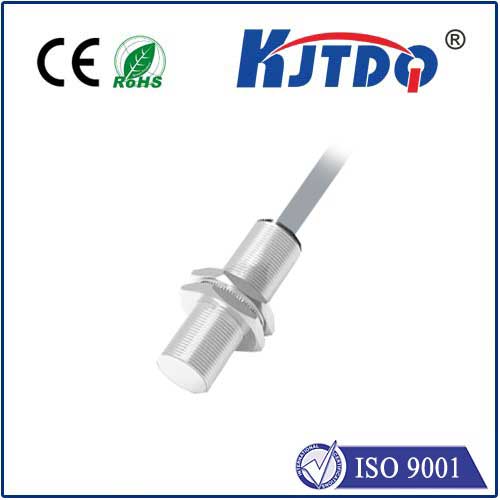
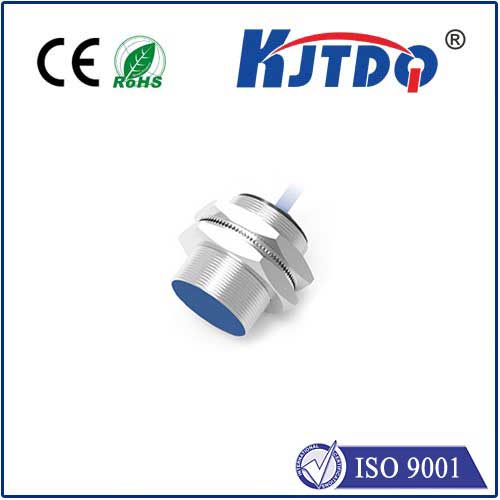
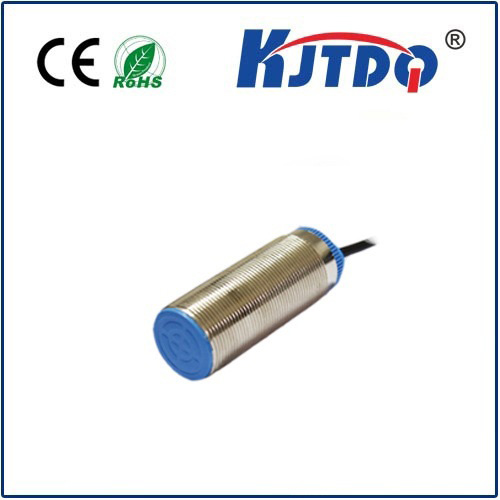
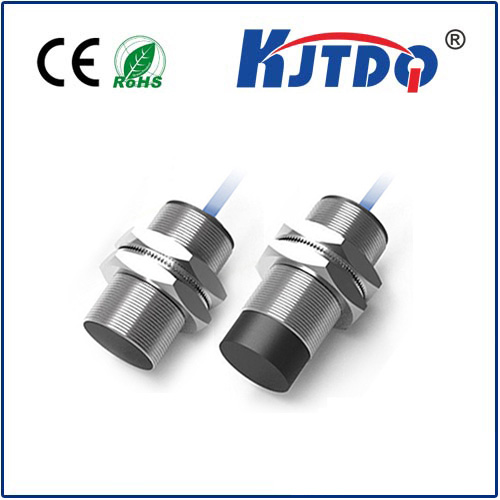
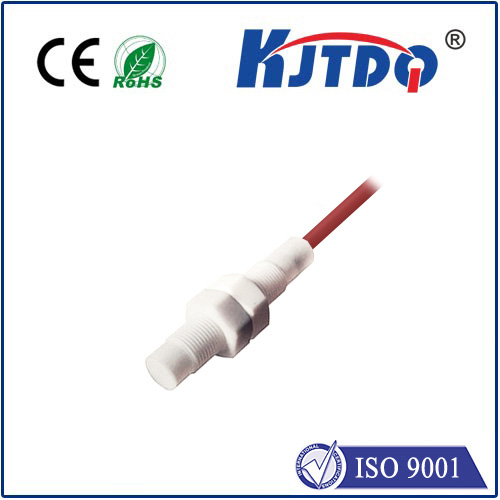
When discussing the KJTDQ series of snap-in installation proximity sensors, several standout features come to the forefront. These sensors are specifically designed to meet rigorous industrial standards. They often boast high switching frequencies, enabling them to detect objects at very high speeds—a crucial requirement in fast-moving production lines. Their housing is frequently constructed from materials like nickel-plated brass or stainless steel, providing excellent resistance to corrosion, impacts, and washdowns. This durability translates to a longer service life and reduced total cost of ownership, as the need for frequent replacements is minimized.
Another significant benefit is their versatility in application. A KJTDQ snap-in proximity sensor can be employed for numerous tasks: precise positioning of machine parts, counting products on a conveyor belt, monitoring the level of materials in a silo, or ensuring safety by detecting the correct closure of guards and doors. Their compact size allows them to be installed in tight spaces where larger sensors would not fit, offering engineers greater design flexibility. Furthermore, many models come with LED status indicators, providing immediate visual feedback on the sensor's operational state, which simplifies troubleshooting and diagnostics.
From an electrical integration standpoint, these sensors are equally user-friendly. They are commonly available with standard connector types or pre-wired cables, compatible with most programmable logic controllers (PLCs) and industrial networks. This plug-and-play capability ensures that integrating them into an existing control system is straightforward, eliminating the need for specialized electrical knowledge or complex configuration software. The reliability of the signal output—whether it's NPN, PNP, or analog—ensures accurate communication with the control unit, preventing false triggers and maintaining process integrity.
The impact on overall system safety and efficiency cannot be overstated. By providing reliable object detection without physical contact, these sensors reduce wear and tear on both the sensor and the target object. This non-contact nature also enhances safety in environments where sparks or mechanical contact could be hazardous. The quick installation feature means safety systems can be deployed or upgraded rapidly, ensuring compliance with industry regulations without prolonged production stoppages. In automated warehouses or robotic cells, the precise detection offered by these sensors is fundamental for smooth, collision-free operation, optimizing throughput and minimizing the risk of damage to expensive machinery.
Looking ahead, the evolution of Industry 4.0 and the Industrial Internet of Things (IIoT) places even greater importance on smart sensing solutions. Future iterations of snap-in installation proximity sensors, including the KJTDQ line, are likely to incorporate enhanced connectivity features, such as IO-Link. This would enable advanced diagnostics, parameter setting via software, and the seamless integration of sensor data into broader plant management systems for predictive maintenance and data analytics. The foundational benefits of easy installation and robust sensing will remain, augmented by smarter capabilities that drive further efficiency gains.
In conclusion, the adoption of snap-in installation proximity sensors represents a smart investment for any operation seeking to improve reliability, safety, and cost-effectiveness. The KJTDQ series exemplifies this by combining a practical, time-saving mounting design with the accurate, durable performance expected from high-quality proximity sensors. For engineers, plant managers, and system integrators, choosing such a solution means opting for reduced installation complexity, enhanced system resilience, and a tangible boost to productivity. As automation continues to advance, tools that simplify integration while delivering unwavering performance will be key to maintaining a competitive edge in the global market.