check

check

check

check
check
check
check
check
check

check
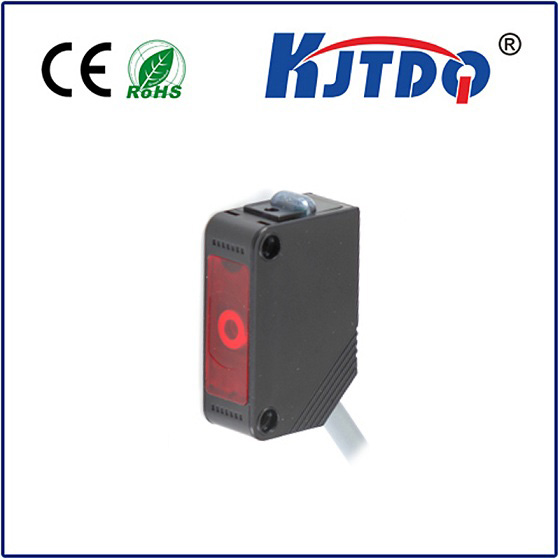
In the rapidly evolving landscape of modern electronics, power efficiency is no longer a luxury but a fundamental requirement. The advent of the low power consumption proximity sensor marks a pivotal shift, enabling smarter, longer-lasting, and more responsive devices across countless applications. This technology quietly operates in the background, detecting the presence or absence of nearby objects without physical contact, all while sipping minimal energy from the power source.
At its core, a proximity sensor works by emitting an electromagnetic field or a beam of electromagnetic radiation, often infrared light, and looking for changes in the field or return signal. The key innovation in modern iterations lies in their ultra-low power architecture. Traditional sensors could be a significant drain on battery life, especially in always-on applications. Today's advanced models utilize sophisticated sleep modes, duty cycling, and highly efficient signal processing algorithms. They remain in a deep sleep state, consuming mere nanoamps of current, until a potential trigger event awakens them for a rapid, accurate measurement. This paradigm is crucial for the Internet of Things (IoT), where thousands of sensors may be deployed, and battery replacement is impractical.
The practical applications are vast and transformative. In the smartphone industry, these sensors are the unsung heroes behind features like automatic screen turn-off during calls, preventing accidental touch inputs and saving precious battery life. In wearable devices like smartwatches and fitness trackers, low power proximity sensors enable gesture controls and display activation with a simple wrist raise, ensuring the device remains functional throughout the day and night. The automotive sector integrates them for touchless trunk opening, driver presence detection, and intuitive infotainment controls, enhancing both convenience and safety.
Beyond consumer electronics, the impact extends into industrial automation and smart infrastructure. In factory settings, these sensors can detect the position of components on an assembly line with extreme reliability and negligible energy cost, contributing to leaner and greener manufacturing processes. For smart buildings, they enable presence-based lighting and climate control, significantly reducing energy waste in unoccupied rooms. Even in medical devices, such as portable diagnostic equipment, the extended operational life afforded by low-power components can be critical.
The design and integration of these sensors also present advantages. Their small form factor allows for seamless embedding into increasingly compact device designs. Furthermore, advancements in materials and manufacturing have improved their robustness against environmental interference, such as ambient light or dust, ensuring consistent performance in real-world conditions. Developers now have access to a range of sensing technologies optimized for low power, including VCSEL-based infrared, time-of-flight, and capacitive sensing, each suitable for different range, precision, and cost requirements.
Looking ahead, the trajectory for low power consumption proximity sensors is aligned with the broader goals of sustainable and ambient technology. As algorithms become smarter, future sensors will not only detect presence but also interpret context and intent with even greater efficiency. Their role is foundational in creating a seamlessly interactive world where devices anticipate our needs without being a burden on energy resources. For engineers and product designers, selecting the right low-power proximity sensor is a strategic decision that directly influences product viability, user experience, and environmental footprint. This silent technology is, without a doubt, a cornerstone of the next generation of intelligent electronics.