check

check

check

check
check
check
check
check
check

check
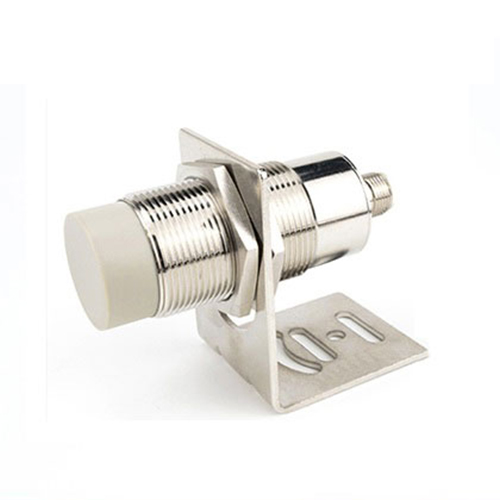
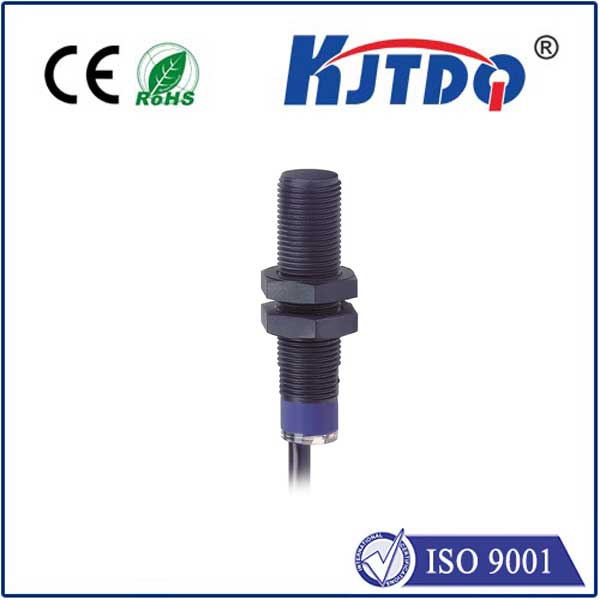
In today's rapidly evolving industrial landscape, efficiency, safety, and precision are non-negotiable. At the heart of many advanced automation systems lies a critical component: the magnetic proximity sensor. This technology, often unseen but fundamentally important, enables machines to detect the presence or absence of objects without physical contact, revolutionizing processes from assembly lines to robotic arms.
Unlike traditional mechanical switches that wear out over time, magnetic proximity sensors offer a contactless solution. They operate by generating a magnetic field. When a ferromagnetic target, such as a steel gear or actuator, enters this field, it causes a detectable change. This change is then converted into an electrical signal that triggers a predefined action—stopping a conveyor belt, counting items, or confirming a door is securely closed. The core principle is elegantly simple, yet its applications are vast and transformative.
The advantages of integrating magnetic proximity sensors are substantial. First and foremost is their exceptional reliability and longevity. With no moving parts to grind against each other, they are immune to the wear and tear that plagues mechanical limit switches. This translates to significantly reduced maintenance costs and less unscheduled downtime, a crucial factor for continuous production environments. Furthermore, their sealed design makes them inherently robust, capable of operating in harsh conditions where dust, moisture, oil, and vibration are present. Whether installed in a gritty mining operation or a humid food processing plant, these sensors deliver consistent performance.
Another key benefit is their high-speed response. The detection and signal transmission happen almost instantaneously, allowing for precise timing in high-cycle applications. This speed is essential in modern manufacturing, where milliseconds can impact throughput and quality. Additionally, their installation and setup are straightforward. Many models feature versatile mounting options and clear indication LEDs, simplifying integration into new or existing systems.
The versatility of magnetic proximity sensors extends across countless industries. In automotive manufacturing, they ensure robotic welders are in the correct position. In packaging, they verify that containers are properly filled and capped. In material handling, they provide position feedback for automated guided vehicles (AGVs) and elevator systems. They are also indispensable in safety applications, forming part of interlock systems on machine guards to prevent operation when access doors are open, thereby protecting personnel.
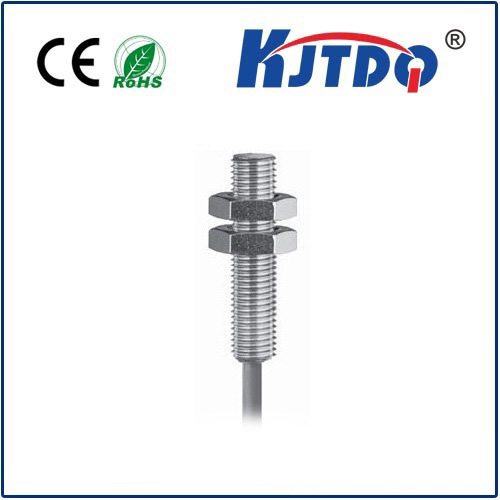
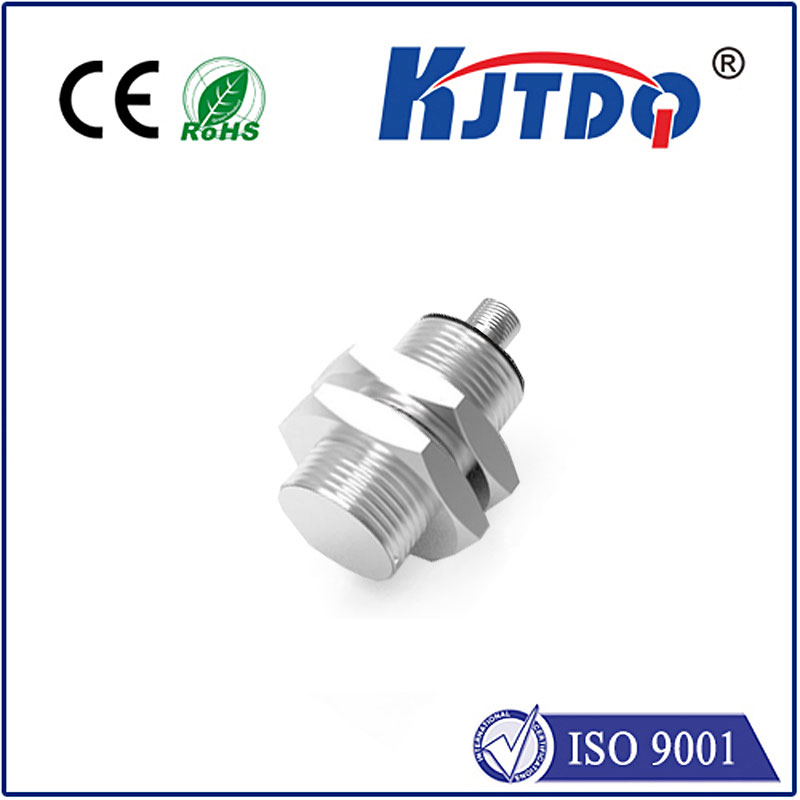
When selecting a magnetic proximity sensor, several technical parameters require careful consideration. Sensing range, the maximum distance at which the sensor can reliably detect a target, is primary. The housing material, typically stainless steel, brass, or PBT plastic, must be chosen to withstand the specific environmental challenges. Output type is another critical decision; options include NPN, PNP, or analog outputs, which must be compatible with the control system's PLC. Operating voltage and temperature range also define the sensor's suitability for a given task.
Looking ahead, the future of magnetic sensing technology is intertwined with the growth of the Industrial Internet of Things (IIoT). Next-generation sensors are becoming smarter, incorporating diagnostic capabilities that can predict maintenance needs or communicate operational status directly to central monitoring systems. This shift from simple detection to providing actionable data is paving the way for truly predictive maintenance and higher-level system optimization.
In conclusion, the magnetic proximity sensor is far more than just a switch. It is a foundational enabler of modern industrial automation, offering a blend of durability, speed, and reliability that mechanical alternatives cannot match. By providing non-contact, wear-free detection, it ensures smoother operations, enhanced safety, and greater cost-efficiency. For engineers and system integrators aiming to build resilient and intelligent automated systems, understanding and leveraging the capabilities of the magnetic proximity sensor is not just an option—it is an essential step toward operational excellence.