check

check

check

check
check
check
check
check
check

check
In the world of industrial automation and machinery, precision, safety, and reliability are non-negotiable. This is where the CE certified proximity sensor steps into the spotlight, becoming an indispensable component for countless applications. A proximity sensor is a non-contact device designed to detect the presence or absence of an object within its sensing range without any physical contact. When this sensor bears the CE mark, it signifies much more than basic functionality; it represents a commitment to meeting stringent European health, safety, and environmental protection standards.
The "CE" marking is a mandatory conformity mark for products sold within the European Economic Area (EEA). For a proximity sensor to earn this certification, it must undergo rigorous assessment to ensure it complies with relevant EU directives, such as the Electromagnetic Compatibility (EMC) Directive and the Low Voltage Directive (LVD). This process verifies that the sensor operates safely, does not emit harmful electromagnetic interference, and is immune to interference from other equipment. In practical terms, a CE certified proximity sensor offers predictable, stable performance even in electrically noisy industrial environments, minimizing false triggers and downtime.
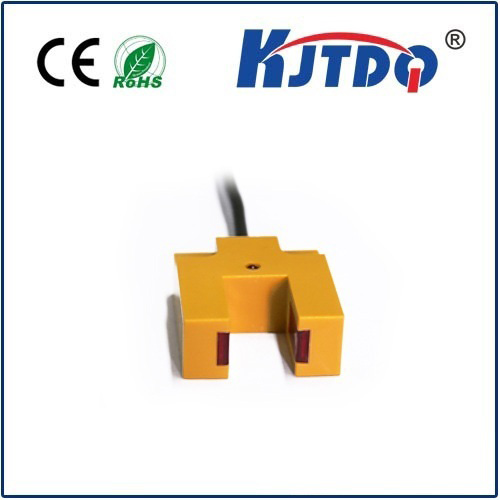
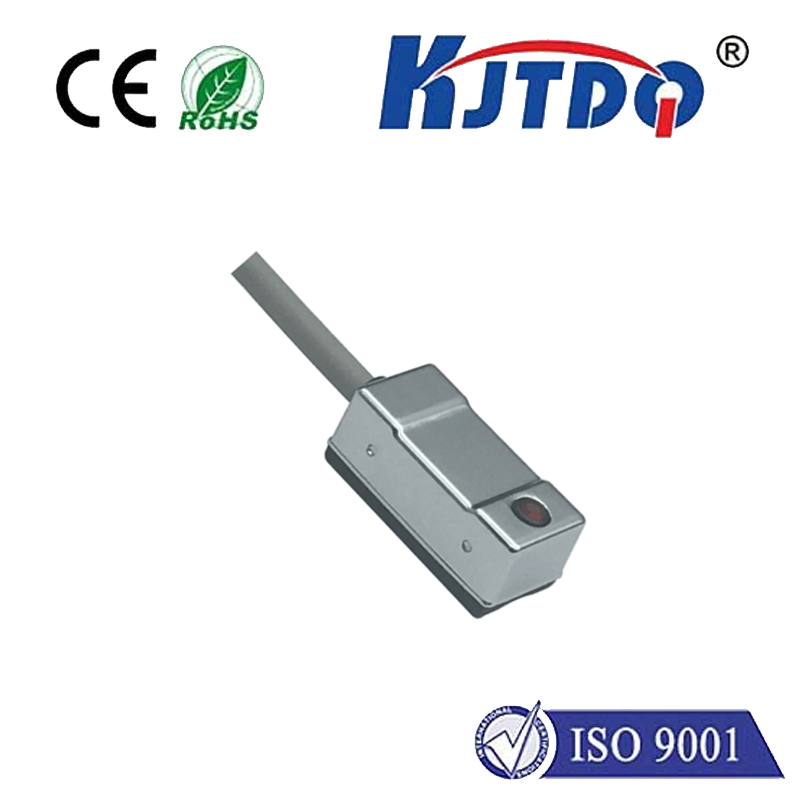
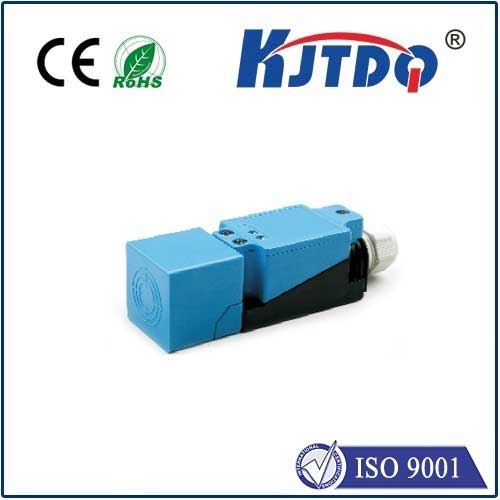
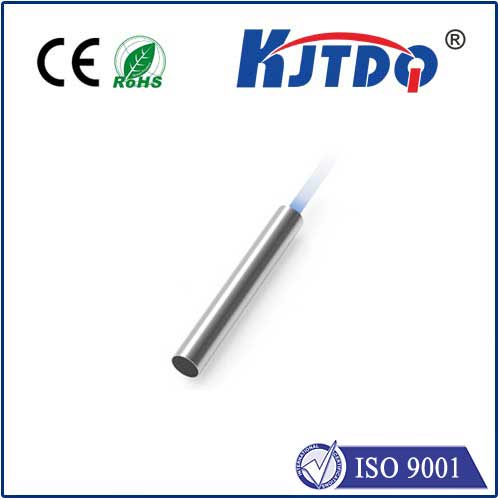
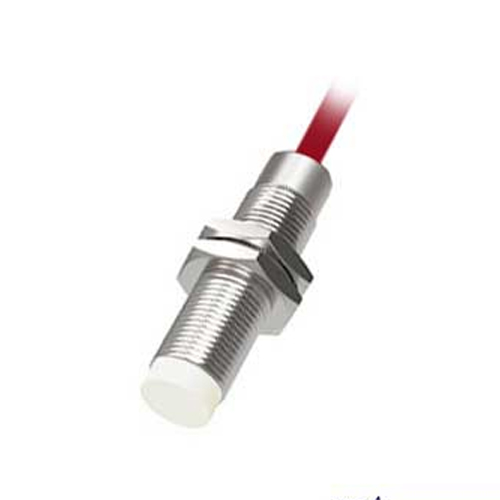
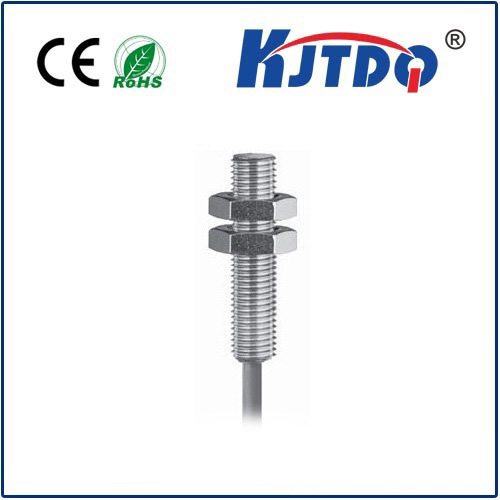
So, what makes these sensors so critical? Their core advantage lies in their non-contact operation. Unlike mechanical switches that wear out from repeated physical impact, proximity sensors use electromagnetic fields, infrared light, or ultrasonic sound to detect objects. This leads to dramatically longer service life, higher operational speeds, and the ability to detect a wide variety of materials, including metals, plastics, and liquids. Common types include inductive sensors (for metals), capacitive sensors (for both metals and non-metals), and photoelectric sensors (using light beams).
The applications for CE certified proximity sensors are vast and varied. In automotive manufacturing, they ensure robotic arms position components with micron-level accuracy. On packaging lines, they count bottles or verify cap placement at high speeds. In material handling, they detect the position of pallets on conveyors. Within safety systems, they can act as part of a safety interlock to prevent machine operation if a guard door is open. The CE certification is particularly crucial here, as it provides assurance that the sensor contributes to an overall safe working environment as per EU machinery safety standards.
Selecting the right CE certified proximity sensor requires careful consideration of several factors. First, identify the target material. For ferrous metals, a standard inductive sensor is ideal. For non-ferrous metals, plastics, or liquids, a capacitive sensor is necessary. Second, determine the required sensing distance, ensuring you account for any installation tolerances. Third, consider the output type needed—typically a digital signal like NPN or PNP—to interface correctly with your PLC or controller. The housing material is also vital; sensors in washdown areas (e.g., food & beverage) often require stainless steel housings with high IP ratings for water and dust resistance.
Beyond the technical specifications, the CE mark offers tangible business benefits. It facilitates seamless market access across Europe, reducing trade barriers. It demonstrates due diligence in product safety, potentially reducing liability risks. For system integrators and end-users, it simplifies the compliance process for the entire machine, as using certified components is a fundamental step in building a CE-compliant system.
Installation and maintenance are straightforward but crucial for optimal performance. Ensure the sensor is mounted securely and aligned correctly with the target. For inductive sensors, be mindful of the presence of other metals in the immediate vicinity, as they can affect the sensing range. Regular checks should include cleaning the sensing face from debris like dust, oil, or metal chips, which can attenuate the signal. The robust design of quality CE certified sensors means they often require little maintenance beyond this, delivering years of trouble-free service.
In conclusion, a CE certified proximity sensor is not merely a component; it is a cornerstone of modern, efficient, and safe industrial automation. It combines advanced non-contact sensing technology with the rigorous assurance of European standards. Whether you are designing a new machine, upgrading an existing line, or simply replacing a faulty switch, opting for a CE certified proximity sensor is a decision that prioritizes performance, longevity, and compliance. It is an investment in operational excellence that pays dividends through enhanced reliability and peace of mind in demanding industrial settings.