check

check

check

check
check
check
check
check
check

check
In the fast-paced world of automotive manufacturing, precision, safety, and efficiency are non-negotiable. The integration of advanced proximity sensor technology has emerged as a cornerstone in modern assembly lines, revolutionizing how vehicles are built. These sophisticated devices, capable of detecting the presence or absence of objects without physical contact, are instrumental in streamlining processes, enhancing quality control, and safeguarding both machinery and personnel.
At the heart of automotive production, proximity sensors perform a multitude of critical functions. On robotic welding arms, they ensure precise positioning of components like door panels and chassis frames, minimizing errors and material waste. Within paint shops, sensors monitor the distance between spray nozzles and car bodies, guaranteeing a uniform, high-quality finish. In assembly stations, they verify the correct placement of parts such as engines, transmissions, and electronic modules, preventing costly rework. Furthermore, on automated guided vehicles (AGVs) that transport components across the factory floor, these sensors enable safe navigation and collision avoidance, maintaining a seamless flow of materials.
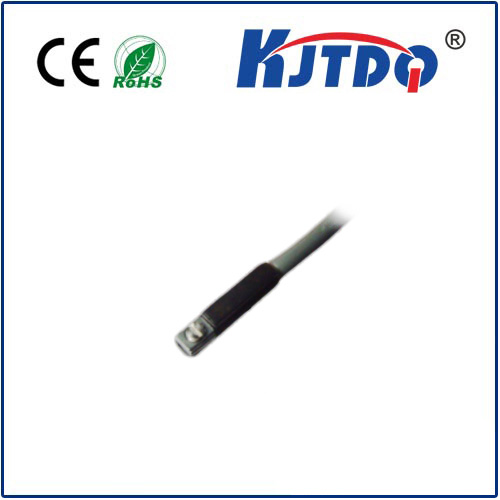
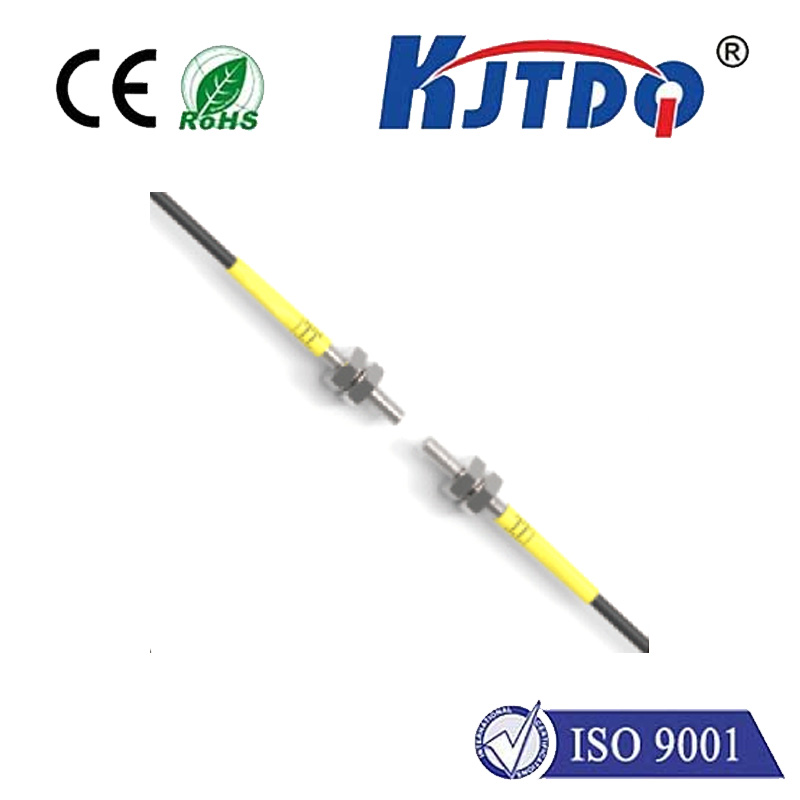
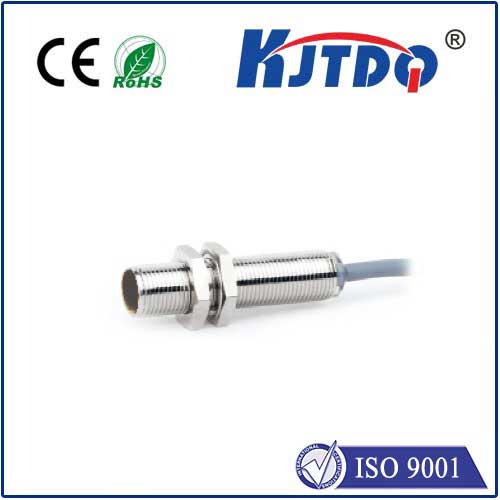
The operational principle of these sensors is based on electromagnetic fields, capacitive coupling, or ultrasonic waves. Inductive sensors, for instance, are ideal for detecting metallic parts, while capacitive variants can sense non-metallic materials like plastics or liquids, making them perfect for fluid level monitoring in systems. This versatility allows for their deployment in diverse and often harsh industrial environments, where they reliably operate despite exposure to dust, oil, vibrations, and extreme temperatures—common challenges in automotive plants.
The benefits for automotive manufacturers are substantial. By enabling real-time, non-contact detection, proximity sensors significantly reduce cycle times and boost overall equipment effectiveness (OEE). They contribute to predictive maintenance strategies by monitoring equipment wear, alerting technicians to potential failures before they cause unplanned downtime. This proactive approach not only cuts maintenance costs but also extends the lifespan of valuable machinery. Most importantly, they enhance workplace safety by creating invisible safety zones around hazardous areas, automatically halting machinery if a worker encroaches, thereby preventing accidents.
Looking ahead, the role of proximity sensors is set to expand with the industry's shift towards Industry 4.0 and smart factories. The next generation of sensors will feature enhanced connectivity through Industrial Internet of Things (IIoT) protocols. This will allow them to transmit rich operational data directly to central control systems, facilitating advanced analytics, machine learning, and fully autonomous process optimization. As electric vehicle (EV) production scales up, these sensors will be crucial in handling sensitive battery components and high-voltage systems with utmost precision and safety.
In essence, the humble proximity sensor is a powerful enabler of modern automotive production. Its ability to provide accurate, reliable, and contactless detection forms the backbone of automated, efficient, and safe manufacturing processes. For any automotive producer aiming to stay competitive, investing in and leveraging advanced proximity sensing technology is not merely an option but a strategic imperative for building the vehicles of tomorrow.