check

check

check

check
check
check
check
check

check
check
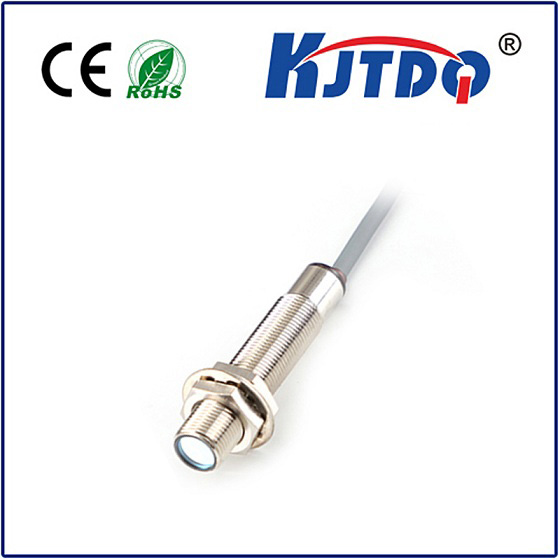
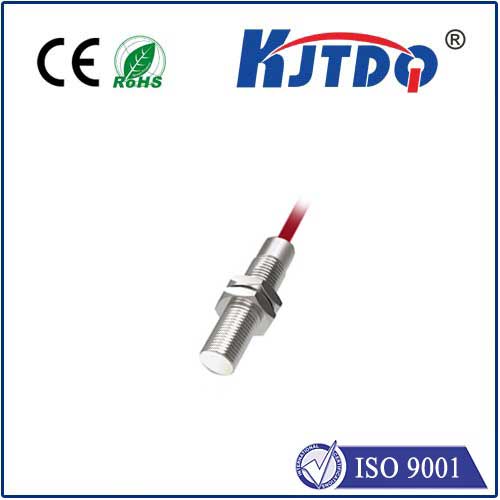
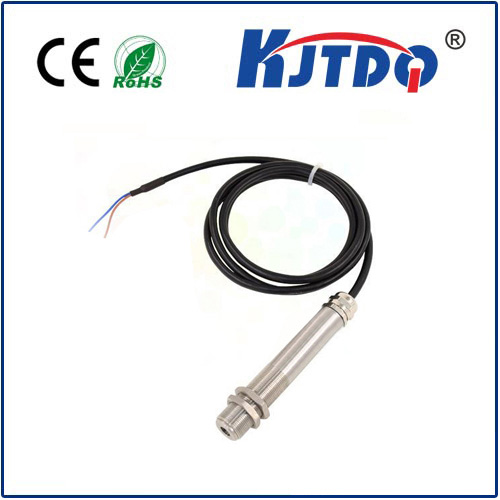
In the realm of industrial automation, precision and reliability are non-negotiable. The KJTDQ 0-10V proximity sensor emerges as a pivotal component, engineered to deliver exceptional performance in diverse and demanding environments. This sensor operates on a straightforward yet powerful principle: it detects the presence or absence of an object within its sensing range without physical contact, outputting a corresponding analog voltage signal between 0 and 10 volts. This linear output is directly proportional to the distance of the target, providing a continuous stream of precise positional data.
The 0-10V analog output standard is a significant advantage. It offers superior resolution compared to simple on/off digital switches, enabling finer control and measurement. This makes the KJTDQ sensor ideal for applications requiring granular feedback, such as monitoring material thickness, controlling precise positioning in assembly lines, or managing fill levels in tanks. The analog signal interfaces seamlessly with a wide array of programmable logic controllers (PLCs), data acquisition systems, and other industrial control equipment, simplifying system integration and reducing compatibility issues.
Durability is a cornerstone of the KJTDQ design. Constructed with robust housing, often from stainless steel or high-grade plastics, these sensors are built to withstand harsh conditions. They are typically rated with high ingress protection (IP) codes, making them resistant to dust, moisture, oils, and coolants commonly found in manufacturing plants, packaging facilities, and woodworking shops. This resilience ensures consistent operation and minimizes downtime, contributing directly to increased productivity and lower maintenance costs.
A key feature of modern KJTDQ proximity sensors is their adjustable sensing range. Technicians can fine-tune the detection distance to suit specific application needs, enhancing flexibility. Furthermore, many models incorporate LED indicators for quick visual status confirmation, aiding in installation and troubleshooting. The sensors are also known for their high switching frequency, allowing them to detect rapidly moving objects on conveyor belts or rotating machinery without missing a beat.
The applications for the KJTDQ 0-10V proximity sensor are vast and varied. In automotive manufacturing, they ensure robotic arms position components with exact accuracy. In the food and beverage industry, they monitor packaging levels while meeting stringent hygiene standards. In material handling, they prevent jams and optimize logistics by detecting the position of pallets and goods. Their analog capability is particularly valuable in process control, where they provide the continuous feedback necessary for maintaining precise parameters in chemical or pharmaceutical production.
Selecting the right sensor involves considering several factors. The sensing distance required, the material composition of the target object (metal, plastic, liquid), the environmental conditions (temperature, potential contaminants), and the required electrical output are all critical. The KJTDQ series typically offers options tailored for these variables, ensuring a fit-for-purpose solution. Proper installation is equally important; ensuring correct alignment, a stable power supply, and protection from electrical noise on the signal lines guarantees optimal performance and longevity.
In conclusion, the KJTDQ 0-10V proximity sensor represents a blend of accuracy, robustness, and versatility. By converting physical presence into a reliable, scalable voltage signal, it provides the essential data that drives intelligent automation. For engineers and system integrators aiming to enhance machine efficiency, improve product quality, and implement sophisticated control strategies, integrating these sensors is a step toward building more responsive and intelligent industrial systems. Their role in facilitating precise measurement and control continues to be indispensable in the evolution towards smarter, more connected factories.