check

check

check

check
check
check
check
check

check
check
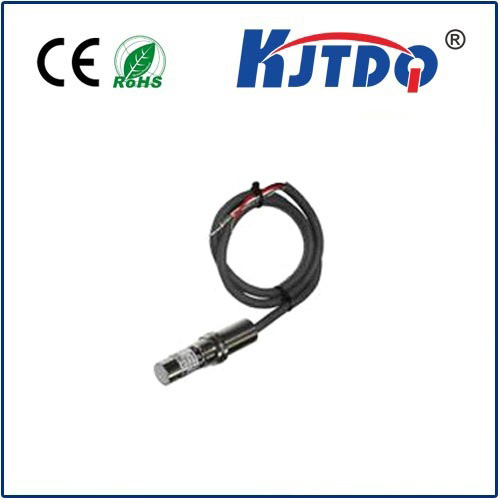
In modern industrial environments, the demand for reliable and precise detection solutions continues to grow. Among the various technologies available, PNP output proximity sensors have emerged as a critical component for enhancing operational efficiency and safety. These sensors, particularly those offered under the KJTDQ brand, are designed to meet the rigorous demands of automation systems, providing consistent performance in diverse applications.
PNP output proximity sensors operate by detecting the presence or absence of an object without physical contact. This non-contact method reduces wear and tear, extending the lifespan of both the sensor and the machinery. The PNP configuration, where the output switches to a positive voltage when an object is detected, is widely preferred in many industrial setups due to its compatibility with standard programmable logic controllers (PLCs). KJTDQ sensors leverage this design to deliver fast response times and high accuracy, ensuring minimal downtime in production lines.
One of the key advantages of KJTDQ PNP output proximity sensors is their robustness in challenging conditions. Built with durable materials, they can withstand exposure to dust, moisture, and temperature fluctuations. This makes them ideal for use in manufacturing plants, packaging units, and automotive assembly lines where environmental factors might compromise lesser equipment. Additionally, their compact size allows for easy integration into existing systems without requiring extensive modifications.
Installation and maintenance of these sensors are straightforward, thanks to user-friendly features such as LED indicators for status monitoring and adjustable sensing ranges. KJTDQ models often include shielding options to prevent interference from nearby metal objects, further enhancing reliability. By reducing false triggers and ensuring consistent detection, these sensors contribute to smoother workflow and higher product quality.
In terms of applications, KJTDQ PNP output proximity sensors are versatile. They are commonly used for position sensing, object counting, and end-of-travel detection in conveyor systems. In robotics, they help in precise part placement and collision avoidance. The energy-efficient design also aligns with sustainability goals, lowering overall power consumption in facilities.
As industries move toward smarter automation, the role of dependable sensors becomes increasingly vital. KJTDQ continues to innovate, incorporating advanced materials and electronic components to improve sensitivity and durability. With a focus on customer needs, their PNP output proximity sensors offer a cost-effective solution that balances performance and longevity. By choosing such trusted components, businesses can optimize their operations, reduce maintenance costs, and achieve greater productivity in competitive markets.
Overall, the integration of KJTDQ PNP output proximity sensors into industrial systems represents a strategic investment. Their ability to provide accurate, non-contact detection supports the seamless functioning of automated processes, ultimately driving efficiency and safety standards forward.