check

check

check

check
check
check
check
check
check

check
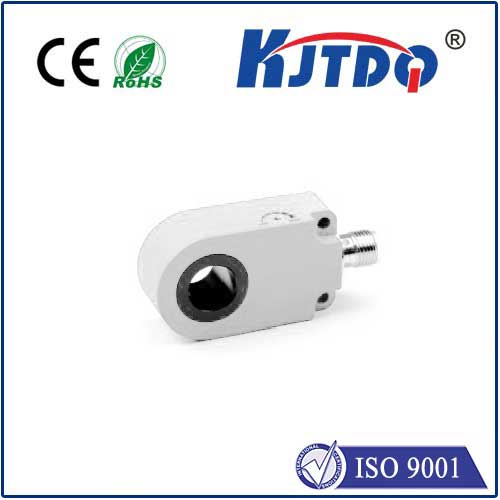
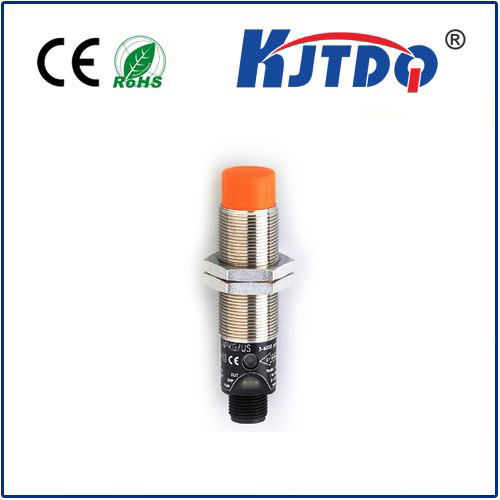
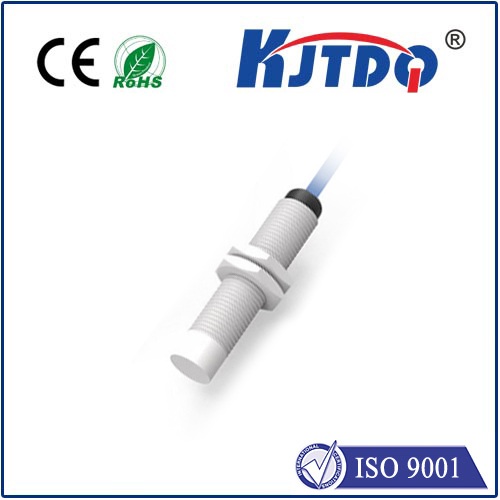
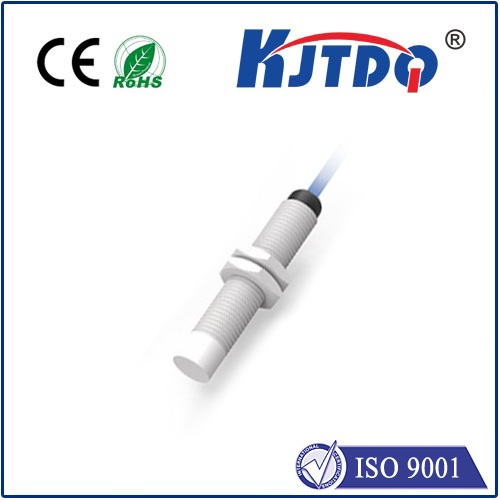
In modern industrial automation and smart device design, the demand for reliable, precise non-contact detection continues to grow. Among various solutions, the 10mm sensing distance proximity sensor stands out as a critical component for applications requiring accurate short-range object detection. This type of sensor, often utilizing inductive, capacitive, or photoelectric principles, operates effectively within a 10mm range, providing consistent performance in challenging environments such as assembly lines, packaging machinery, and robotic systems.
The core advantage of a 10mm sensing distance proximity sensor lies in its ability to detect objects without physical contact, thereby reducing wear and tear and minimizing maintenance needs. For instance, in manufacturing settings, these sensors can identify the presence of metal parts, verify positioning, or count items on a conveyor belt with high repeatability. Their compact design allows for easy integration into tight spaces, while robust housing typically ensures resistance to dust, moisture, and temperature variations. This durability makes them suitable for industries like automotive, electronics, and logistics, where operational efficiency is paramount.
When selecting a 10mm proximity sensor, key factors to consider include the sensing technology, output type, and environmental compatibility. Inductive sensors are ideal for detecting metallic objects, whereas capacitive versions can handle non-metallic materials like plastics or liquids. Output options, such as NPN, PNP, or analog signals, offer flexibility for different control systems. Additionally, features like short-circuit protection and adjustable sensitivity enhance reliability, ensuring stable operation even in electrically noisy environments.
Installation and alignment play crucial roles in maximizing sensor performance. Proper mounting, avoiding interference from nearby metals or other sensors, and regular calibration help maintain accuracy over time. For example, in automated packaging, a precisely positioned 10mm sensor can detect when a product is correctly placed for sealing, reducing errors and waste. Similarly, in robotics, these sensors enable safe interaction by detecting obstacles within a close range, preventing collisions and improving workflow safety.
Looking ahead, advancements in sensor technology are driving improvements in response time, energy efficiency, and connectivity. The integration of IoT capabilities allows 10mm proximity sensors to transmit data for predictive maintenance and real-time monitoring, further optimizing industrial processes. As automation expands into sectors like healthcare and consumer electronics, the demand for compact, high-precision sensors is expected to rise, reinforcing their role as essential tools for innovation.
In summary, the 10mm sensing distance proximity sensor offers a blend of precision, durability, and versatility, making it a cornerstone in modern automation. By enabling non-contact detection in confined spaces, it supports enhanced productivity and safety across diverse applications. For engineers and system designers, understanding its specifications and proper implementation is key to leveraging its full potential in driving technological progress.