check

check

check

check
check
check
check
check
check

check
In the intricate world of industrial automation and smart device design, the quest for components that deliver unwavering accuracy and durability is never-ending. Among these critical components, the proximity sensor stands out as a silent sentinel, enabling machines to "see" and interact with their environment without physical contact. However, not all sensors are created equal. The true differentiator in demanding applications is reliable performance. This guide delves into why reliable performance is non-negotiable for modern proximity sensors and what makes a sensor truly dependable.
Reliable performance in a proximity sensor transcends basic functionality. It means consistent, repeatable detection under a wide spectrum of operating conditions. Imagine a high-speed packaging line where a sensor must detect thousands of items per hour without a single miss. Or consider an automotive assembly robot where a sensor ensures precise positioning of critical components; a failure here could halt the entire production. Reliability is defined by several key pillars: long-term stability, environmental resilience, and electrical robustness.
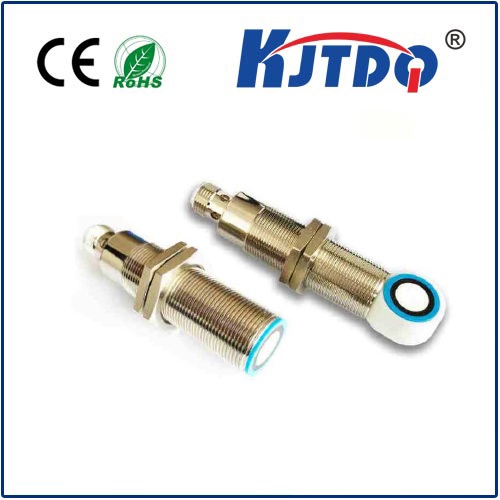
A primary enemy of sensor reliability is environmental interference. Industrial settings are rife with challenges such as metal chips, dust, oil, coolant mists, and temperature fluctuations. A reliably performing proximity sensor is built to withstand these assaults. This involves high-quality housing materials (often stainless steel or nickel-plated brass), superior sealing (IP67 or IP69K ratings are common for wash-down environments), and advanced internal design that minimizes the effects of contaminant buildup on the sensing face. Furthermore, sensors must be immune to electromagnetic interference (EMI) from nearby motors, welders, or frequency drives, ensuring signal integrity is never compromised.
Electrical stability is another cornerstone. Voltage fluctuations are common in factories. A reliable sensor features wide operating voltage ranges and built-in protection against reverse polarity, short-circuits, and overloads. This safeguards not only the sensor itself but also the connected control systems. Additionally, the switching frequency—how quickly a sensor can detect an object and send a signal—must remain stable. A sensor that slows down under load or in high-temperature conditions introduces latency, breaking the rhythm of automated processes and leading to errors.
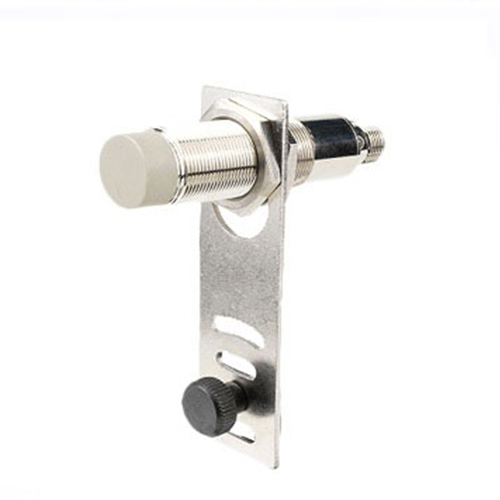
The technology behind the sensor significantly impacts its reliability. Inductive proximity sensors, known for detecting metals, are workhorses in manufacturing. Their reliability is enhanced by features like "embeddable" designs for flush mounting in metal, reducing side-effects from surrounding material. Capacitive sensors, used for detecting non-metals, require sophisticated circuitry to maintain stability against humidity or material composition changes. Modern designs incorporate microprocessors for temperature compensation and drift correction, ensuring the sensing distance remains constant over years of operation, a key metric of reliable performance.
Choosing a sensor with reliable performance ultimately translates to lower Total Cost of Ownership (TCO). While the initial purchase price is a factor, the real costs lie in unplanned downtime, production scrap, maintenance labor, and premature replacement. A sensor that fails unexpectedly can stop a production line, costing thousands per hour in lost output. Therefore, investing in sensors from reputable manufacturers known for rigorous testing, quality components, and consistent manufacturing processes is a strategic decision for operational excellence.
In conclusion, a reliable performance proximity sensor is not merely a component; it is a foundation for predictable, efficient, and continuous operation. It is the product of thoughtful engineering focused on environmental hardening, electrical integrity, and technological sophistication. When selecting a sensor for critical applications, looking beyond the basic specifications to evaluate its design for real-world endurance is crucial. The right sensor delivers more than just a signal; it delivers peace of mind and a tangible return on investment through seamless, uninterrupted performance.