check

check

check

check
check
check
check
check
check

check
In the intricate world of industrial automation, where precision and reliability are non-negotiable, the choice of sensing technology directly impacts operational efficiency. Among the various options available, the relay output proximity sensor stands out as a robust and versatile cornerstone for countless control applications. This device seamlessly merges the non-contact detection prowess of proximity sensors with the straightforward, high-current switching capability of an electromechanical relay, creating a powerful and self-contained control unit.
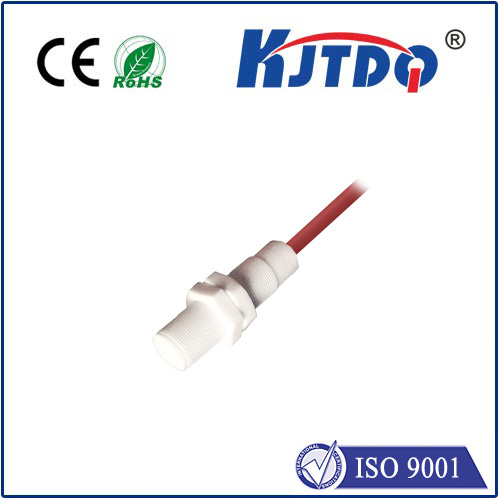
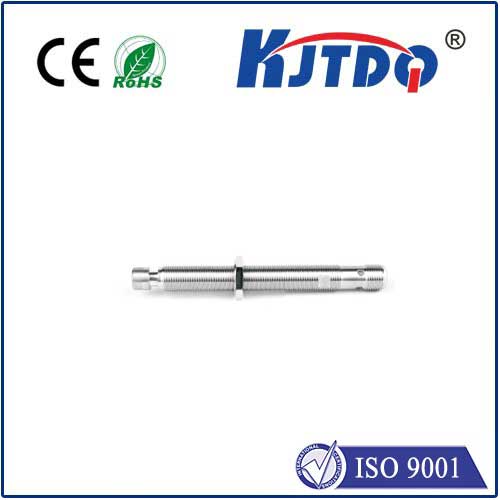
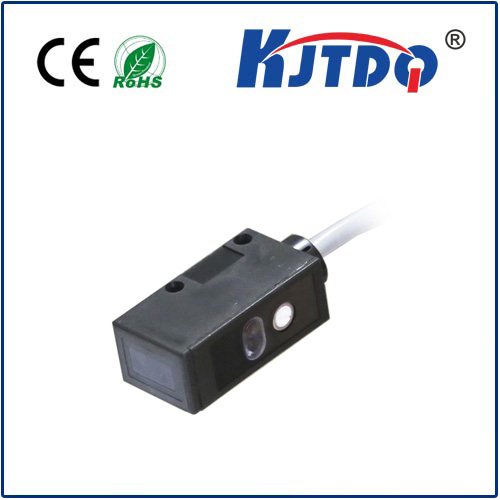
At its core, a standard proximity sensor (inductive, capacitive, or ultrasonic) detects the presence or absence of a target object without physical contact. It generates a small electronic signal upon detection. A relay output proximity sensor integrates a built-in relay, typically SPDT (Single Pole Double Throw) or DPDT, that is actuated by this internal signal. When the sensor detects its target, it energizes the relay coil, causing the relay contacts to change state—either opening or closing a separate, higher-power circuit. This design effectively isolates the sensitive sensor electronics from the load circuit it controls, such as motors, solenoids, lamps, or other actuators.
The advantages of this integration are substantial. First and foremost is simplified wiring and system design. There's no need for an external interposing relay or additional interface modules between the sensor and the load. This reduces component count, minimizes panel space, and cuts installation time and potential points of failure. Secondly, it offers direct control of high-power AC or DC loads. Unlike standard solid-state PNP or NPN output sensors, which are limited to lower currents, the relay contacts can typically switch loads ranging from 5A to 10A or more, making them ideal for directly controlling industrial equipment. Furthermore, the electrical isolation provided by the relay contacts protects the sensor's internal circuitry from voltage spikes, electrical noise, and ground loops commonly found in harsh industrial environments, significantly enhancing system durability.
Typical applications for relay output proximity sensors are widespread. They are extensively used in conveyor system control to start or stop motors based on package presence. In machine safety interlocks, they can directly cut power to a machine when a guard door is opened. They are perfect for batch counting processes, where each detected item triggers a relay pulse to a counter. You'll also find them in packaging machinery, material handling systems, and automated assembly lines, where their ability to directly interface with diverse loads is invaluable.
When selecting a relay output proximity sensor, several key specifications demand attention. The sensing range and type (inductive for metals, capacitive for non-metals, etc.) must suit the target material. The load rating of the relay contacts (voltage and current) must exceed the requirements of the connected device. Switching speed is crucial; while relays are slower than solid-state outputs, modern versions offer sufficient speed for most industrial sequencing. Environmental robustness, indicated by IP (Ingress Protection) ratings for dust and water resistance, and housing material (often nickel-plated brass or stainless steel), ensures longevity in challenging conditions. Finally, consider the contact configuration (normally open, normally closed, or changeover) to match the required control logic.
For optimal performance and longevity, proper installation and maintenance are key. Ensure the sensor is mounted securely and correctly aligned with its target. Adhere to the specified voltage ranges for both the sensor supply and the switched load. Use appropriate electrical protection, such as surge suppressors for inductive loads (like motors), across the relay contacts to minimize arcing and contact wear. Regular inspection for physical damage and periodic testing of the sensing function and relay operation will help prevent unexpected downtime.
In conclusion, the relay output proximity sensor is a quintessential component that embodies simplicity, strength, and versatility in automation. By combining sensing and switching into a single, rugged package, it provides a reliable and cost-effective solution for directly controlling significant electrical loads based on object detection. For engineers and system integrators seeking to build resilient and straightforward control systems, understanding and utilizing this powerful device is a fundamental step toward achieving seamless and dependable industrial automation.