check

check

check

check
check
check
check
check
check

check
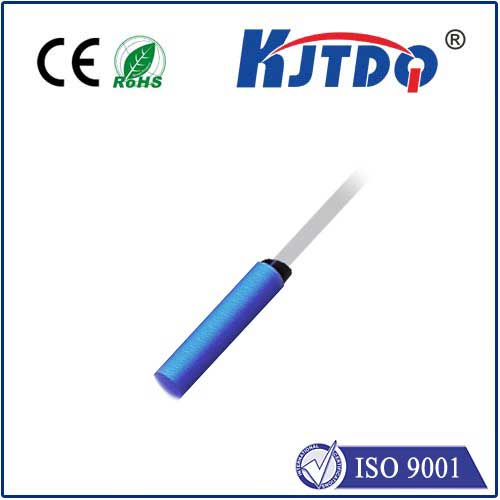
In industrial and harsh environment applications, sensor reliability is not just a preference—it's a necessity. Equipment faces constant threats from vibration, mechanical shock, dust, and moisture, which can lead to premature sensor failure, costly downtime, and compromised safety. This is where the shock proof housing proximity sensor emerges as a critical engineering solution. Unlike standard sensors, these specialized devices are built with a singular focus: to withstand the punishing conditions that would render ordinary sensors inoperative.
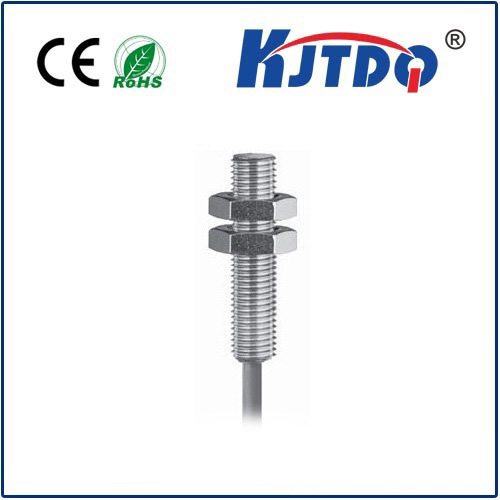
The core innovation lies in the housing. A true shock proof housing is not merely a thicker metal shell. It involves a multi-layered design philosophy. The exterior is typically constructed from high-grade stainless steel or ruggedized polymers, providing a first line of defense against physical impacts and corrosion. Internally, critical components like the sensing coil, oscillator, and output circuitry are strategically mounted using shock-absorbing materials such as specialized potting compounds or elastomeric dampers. These materials isolate the sensitive electronics from high-frequency vibrations and sudden impacts, effectively "decoupling" the internal workings from external forces. Furthermore, the housing is hermetically sealed, often achieving IP67, IP68, or IP69K ratings. This sealing prevents the ingress of oils, coolants, water, and conductive dust, ensuring the sensor's integrity in wash-down environments or outdoor installations.
The benefits of deploying a shock proof proximity sensor are substantial and directly impact the bottom line. The most immediate advantage is dramatically increased lifespan. By mitigating the primary causes of sensor failure—broken wires, cracked cores, and damaged electronics—these sensors offer a significantly longer operational life, reducing replacement frequency and inventory costs. This translates directly into enhanced machine uptime. Unplanned stoppages for sensor replacement are minimized, maintaining production flow and operational efficiency. In automated systems, especially those with high-speed moving parts like robotic arms, packaging machinery, or metal stamping presses, the consistent and reliable signal from a shock proof sensor is indispensable for precision and safety. It ensures that position feedback remains accurate even when the sensor is subjected to constant jolts.
Selecting the right shock proof housing proximity sensor requires careful consideration of your specific application's demands. Key specifications to evaluate include the housing material, ingress protection (IP) rating, operating temperature range, and the type of sensing technology (inductive, capacitive, or ultrasonic). Inductive sensors, for instance, are ideal for detecting metals in high-vibration areas like CNC lathes or conveyor systems. The required sensing distance and output type (PNP/NPN, analog, IO-Link) must also match the control system's requirements. Proper installation is equally crucial. While the housing is rugged, following manufacturer guidelines for mounting, using appropriate brackets to avoid stress on the housing, and ensuring correct wiring practices are essential to realize the full potential of the sensor's durability.
From automotive assembly lines where welding robots create intense vibration, to mining equipment exposed to relentless shocks, to food and beverage plants requiring frequent high-pressure cleaning, shock proof proximity sensors provide the reliability backbone. They represent a proactive investment in system resilience. By choosing a sensor engineered with a robust shock proof housing, engineers and plant managers move beyond reactive maintenance. They build a more predictable, efficient, and safe operational environment, where sensing components are no longer the weak link in the face of mechanical adversity. This commitment to durability ultimately safeguards productivity and drives long-term operational success.