check

check

check

check
check
check
check
check
check

check
In today's demanding industrial landscape, equipment reliability is non-negotiable. From automated assembly lines in automotive plants to material handling in mining operations, machinery must perform flawlessly under extreme conditions. This is where the rugged industrial proximity sensor steps in, not as a mere component, but as a critical guardian of productivity and safety. Unlike standard sensors, these robust devices are engineered to withstand the punishing realities of industrial settings, offering unparalleled durability and precision where it matters most.
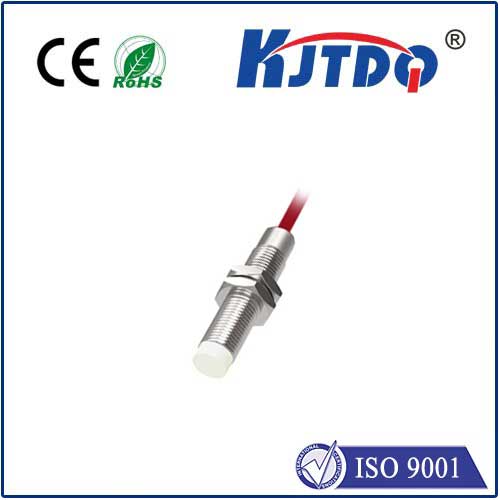
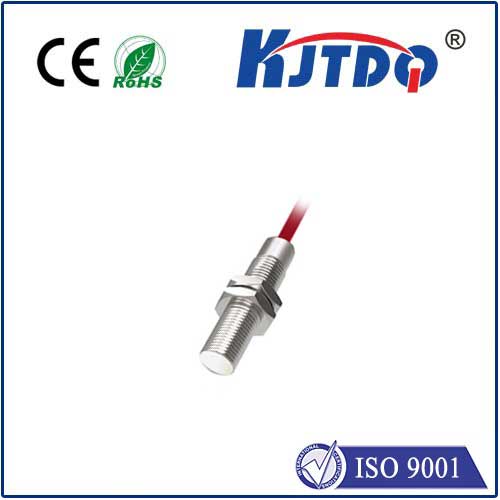
The core value of a truly rugged proximity sensor lies in its construction. Imagine a sensor housing crafted from high-grade stainless steel or nickel-plated brass, capable of resisting impacts, vibrations, and mechanical stress that would cripple ordinary devices. The sensing face is often protected by a thick layer of wear-resistant material, ensuring long-term accuracy even when exposed to abrasive particulates or frequent physical contact. Furthermore, these sensors are meticulously sealed, typically achieving an IP67, IP68, or IP69K rating. This means complete protection against dust ingress and the ability to withstand high-pressure, high-temperature washdowns common in food & beverage or pharmaceutical applications. Whether it's metal chips in a machining center, corrosive chemicals in a processing plant, or constant vibration on a heavy conveyor, a rugged sensor is built to endure.
Beyond physical fortitude, the operational performance of these sensors is tailored for industrial rigor. They provide consistent, non-contact detection of metallic or, in some advanced models, non-metallic objects. This is crucial for position verification, counting, and end-of-travel detection in automated systems. Advanced designs feature immunity to electromagnetic interference (EMI) from motors and welders, as well as temperature stability across a wide range, from freezing cold storage to hot forging environments. This reliability eliminates false triggers and unplanned downtime, directly contributing to overall equipment effectiveness (OEE). The output signal—be it analog, discrete, or via industrial networking protocols—integrates seamlessly with PLCs and control systems, forming a dependable data link for process automation.
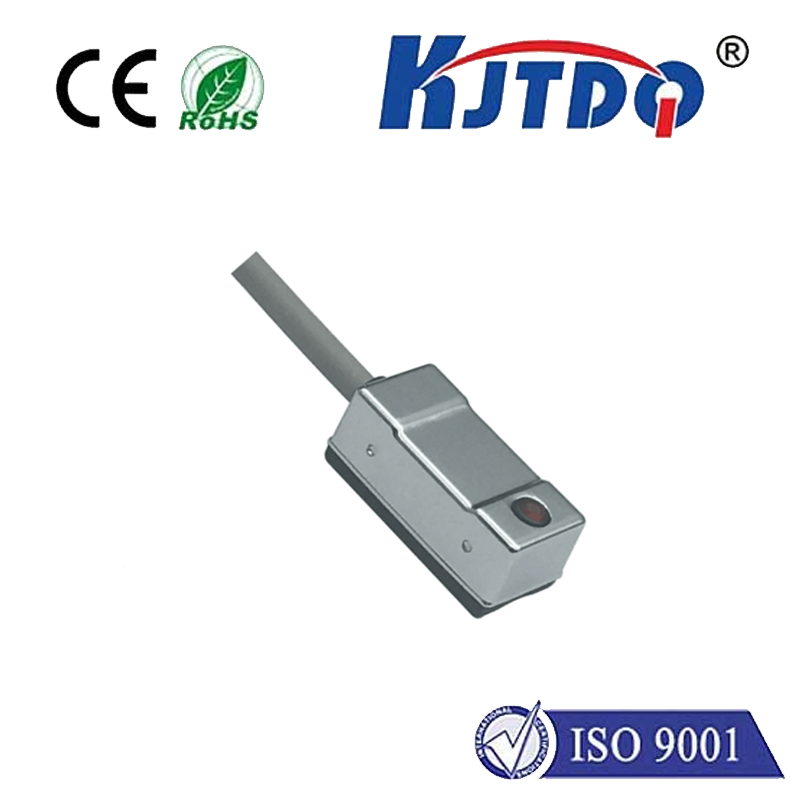
Selecting the right rugged industrial proximity sensor requires careful consideration of the application's specific challenges. Key factors include the sensing distance required, the target material (ferrous, non-ferrous, or all metals), the required output type, and the electrical connection style. The environmental conditions are paramount: the presence of oils, coolants, extreme temperatures, or high-pressure cleaning will dictate the necessary ingress protection and housing material. Leading manufacturers offer extensive portfolios with various form factors—tubular, rectangular, or ring-shaped—to fit space-constrained installations.
The return on investment is clear. By deploying sensors designed for longevity in harsh conditions, facilities dramatically reduce maintenance costs, sensor replacement frequency, and production losses due to sensor failure. They enhance safety systems by providing reliable machine guarding and position feedback. In essence, the rugged industrial proximity sensor is a foundational element for building resilient, efficient, and intelligent industrial operations. It transforms environmental challenges from a constant threat into a managed variable, ensuring that sensing—the eyes of the automated process—remains clear and dependable, shift after shift, in the world's toughest workplaces.