check

check

check

check
check
check
check
check

check

check

From "being able to alarm" to "being able to identify, locate, and centrally manage"
Belt conveyors are widely used in continuous production scenarios such as mining, chemical, warehousing, port, and textile industries. On-site protection nodes are numerous, lines are long, and equipment types are complex. Once a deviation, slippage, tear, or emergency stop along the line occurs, traditional decentralized switches can often only provide a "fault detected" feedback, but struggle to confirm the specific node and fault location in time.
Kaijite's intelligent address-coded conveyor belt protection solution, while retaining the original switch signals, digitally encodes on-site protection nodes and uniformly connects them to PLCs, host computers, or intelligent management stations via RS485 communication, enabling centralized status display, precise node identification, and rapid fault localization.
From decentralized alarms to unified management — making the conveyor protection system "visible, findable, and manageable."
| On-Site Pain Points | Traditional Approach | Kaijite Solution |
|---|---|---|
| Numerous alarm points | Point-by-point inspection, time-consuming localization | Node coding, rapid confirmation of abnormal positions |
| Mixed equipment types | Different switches connected separately | Unified access for multiple types of protection devices |
| Long line distances | Decentralized signals, complex maintenance | RS485 bus transmission, centralized feedback |
| Difficult status traceability | Relies on manual records | Management station unified display and recording |
Workflow, Intelligent Management Station, On-Site Device Access
Address-Coded Conveyor Belt Protection Device — Workflow Introduction
The address coding system systematically organizes, digitizes, and intellectualizes traditional node signals. While retaining the original switch signals, it integrates all feedback signals into the intelligent control station via communication, enabling self-identification and tagging of each node. The signals are simultaneously fed back to the host computer via RS485 transmission.
RS485 — Service Number: Kaijite Sensor
Vertical tear, slippage, deviation, and pull-cord switch alarms are centrally displayed.
Illustration: Unified Access for Multiple Types of Protection Devices
Labels: Pull-cord switch, slippage detector, vertical tear detector, deviation switch, and address encoder.
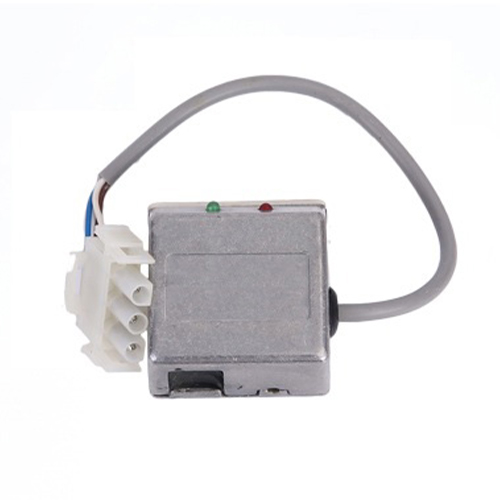
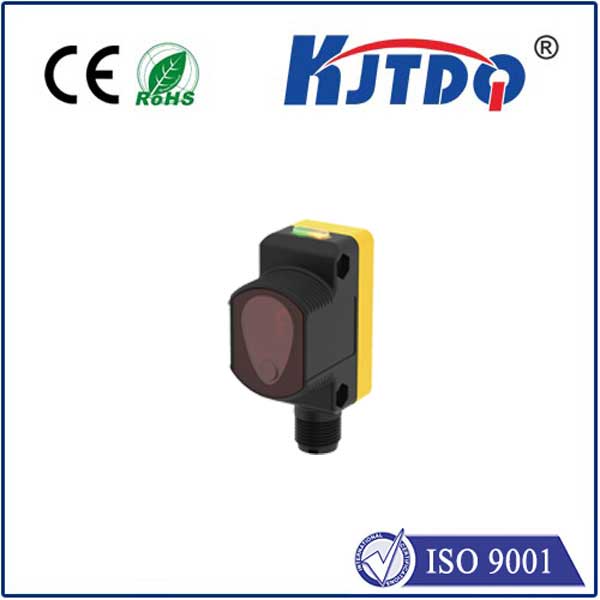
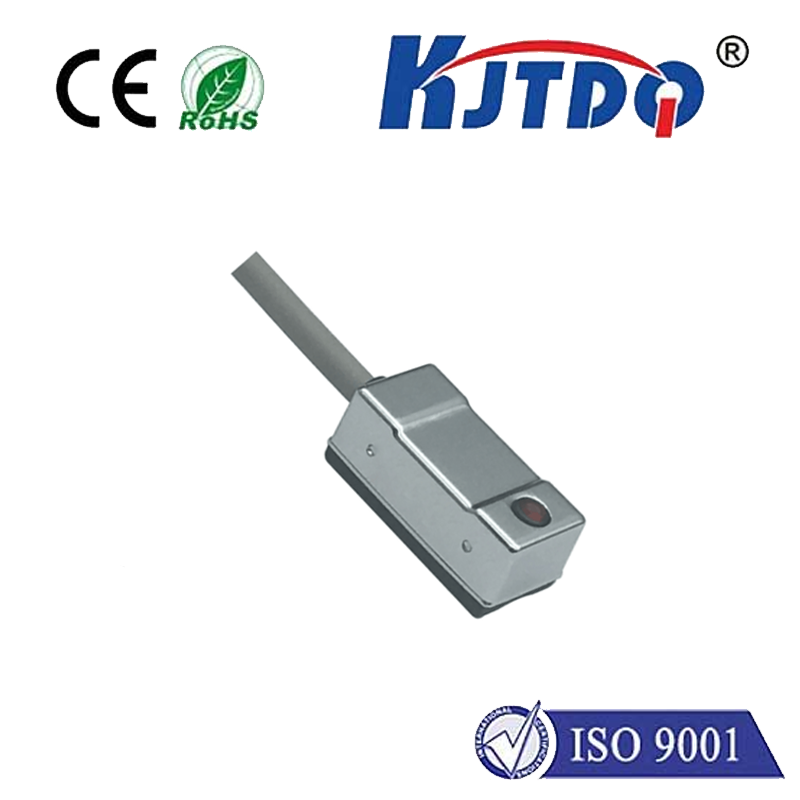
The address encoder can connect to on-site devices such as pull-cord switches, slippage detectors, vertical tear detectors, and deviation switches, uniformly collecting, encoding, and uploading switching signals from different protection nodes. Through a single communication link, multi-device collaborative operation is achieved, making the protection system structure clearer and management more efficient.
On-Site Switch → Address Encoder → RS485 → PLC / Host Computer
An alarm is no longer just a red light — it is node information that is identifiable, traceable, and can be quickly addressed.
Address-coded type, wireless address-coded type, and a variety of protection products.
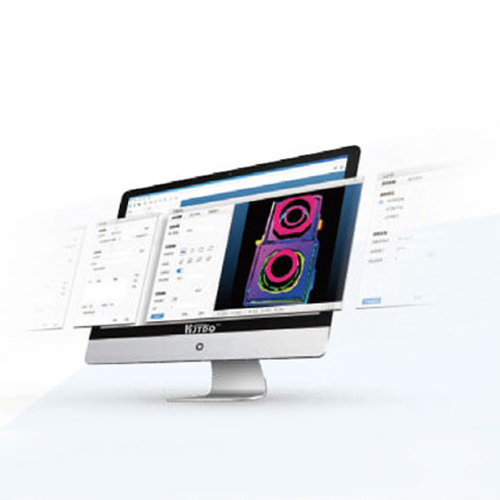
Digital display, node information, and operating status are intuitively presented.
Explosion-proof certification, all-metal stainless steel housing, and complete solution capabilities.
Kaijite's intelligent address-coded conveyor belt protection device has passed national explosion-proof certification. It can provide address-coded and wireless address-coded solutions, and supports all-metal stainless steel housing customization. The system can centrally collect signals from multiple devices and multiple belt conveyors, providing customers with a complete solution from on-site nodes to the control system.
| Capability | Value |
|---|---|
| Explosion-proof certification | Adapts to high-risk industrial scenarios |
| Wired / Wireless | Flexible selection based on on-site communication conditions |
| Multi-node collection | Supports multiple devices and multiple belt conveyors |
| Complete solution | From switch nodes to management system |
| Housing customization | Supports all-metal stainless steel solution |
| Centralized management | Status display, recording, and rapid positioning |
| Confirmation Dimension | Recommended Information to Provide | Configuration Value |
|---|---|---|
| Conveyor Line | Number of belt conveyors, line length, number of nodes | Determine coding capacity and communication architecture |
| Protection Type | Deviation, pull-cord, slippage, tear, material flow, etc. | Complete protection node combination |
| On-Site Environment | Explosion-proof rating, corrosion, dust, temperature & humidity | Confirm housing and protection configuration |
| Control System | PLC model, communication interface, host computer requirements | Confirm data access and display method |