check

check

check

check
check
check
check
check
check

check
In today's fast-paced manufacturing landscape, the pursuit of operational excellence hinges on precision, reliability, and safety. At the heart of many automated systems lies a critical component often working unseen: the proximity sensor. Specifically designed for industrial automation, these sensors are the silent sentinels that enable machinery to "sense" its environment without physical contact. The integration of advanced technologies, such as those embodied in the KJTDQ series, is revolutionizing how factories operate, driving unprecedented levels of efficiency and safeguarding both personnel and equipment.
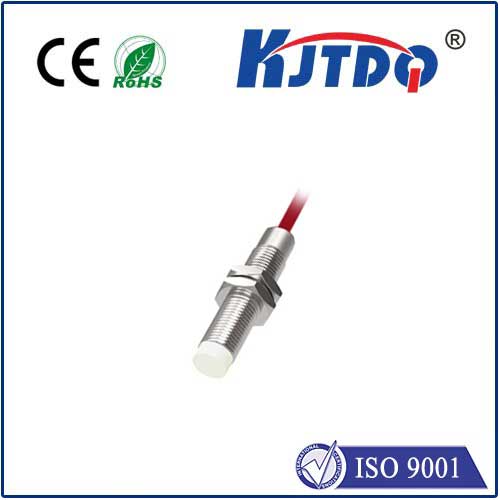
Proximity sensors function by emitting an electromagnetic field or a beam of electromagnetic radiation and detecting changes in the field or return signal. The key advantage is their non-contact operation, which eliminates mechanical wear and tear, significantly extends component lifespan, and allows for high-speed detection. In industrial settings, they are indispensable for tasks like object detection, position verification, counting, and end-of-travel control. For instance, on a high-speed bottling line, a robust inductive proximity sensor can accurately detect the presence of metal caps on each bottle, ensuring only properly sealed products proceed down the line. Similarly, capacitive sensors can monitor fill levels in non-metallic containers, preventing overflows or shortages.
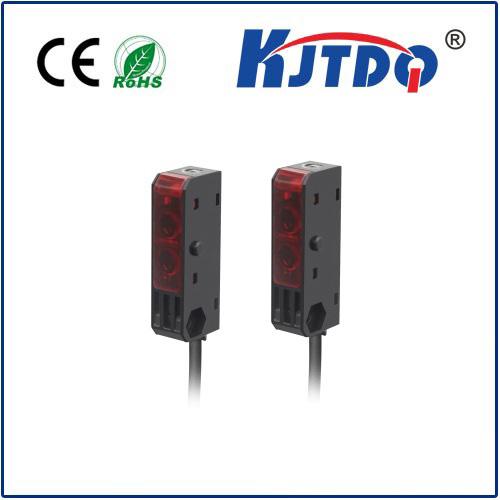
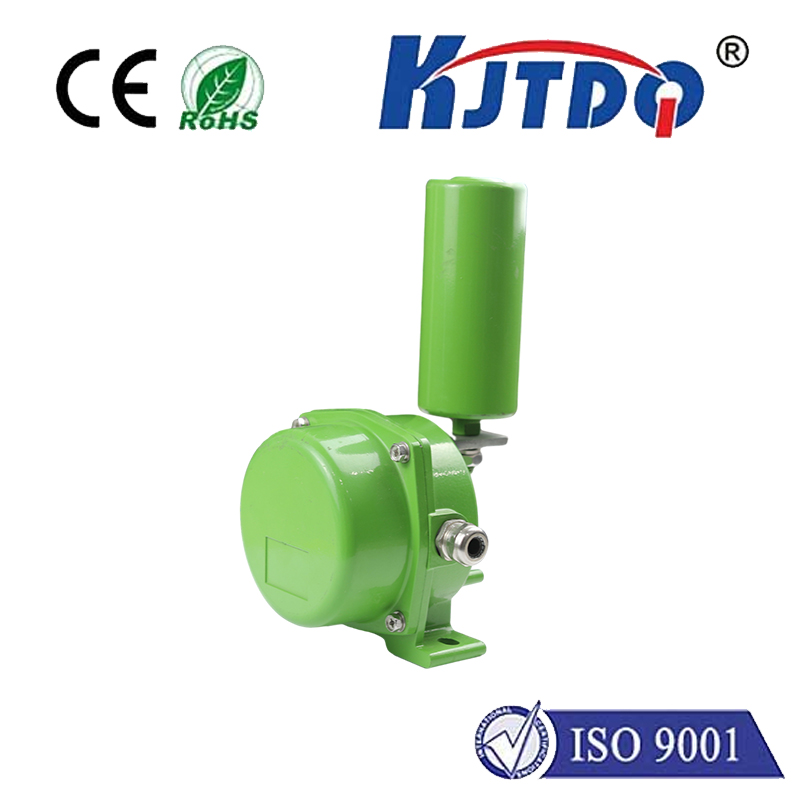
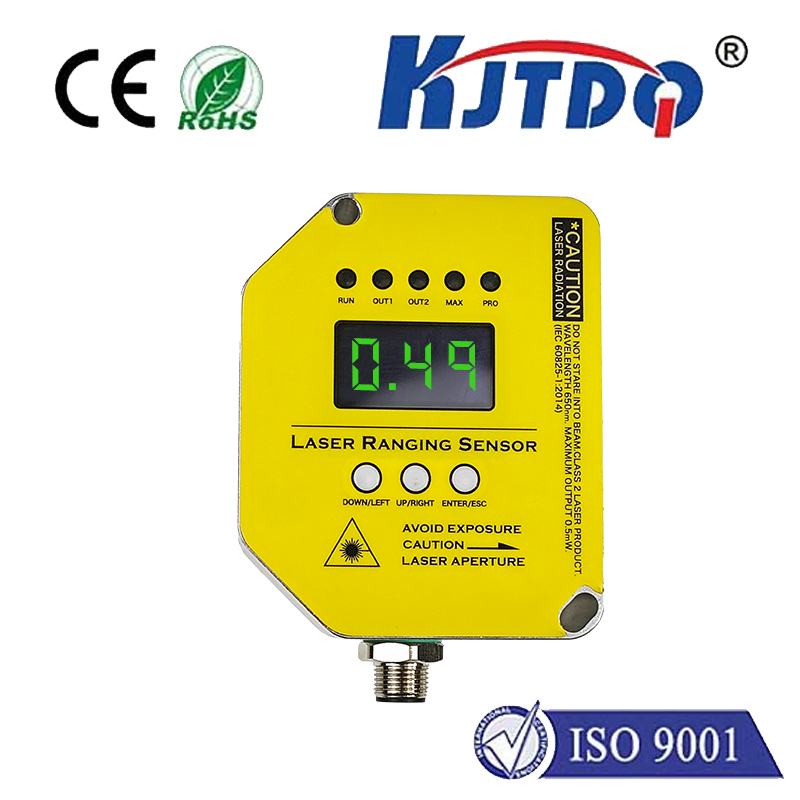
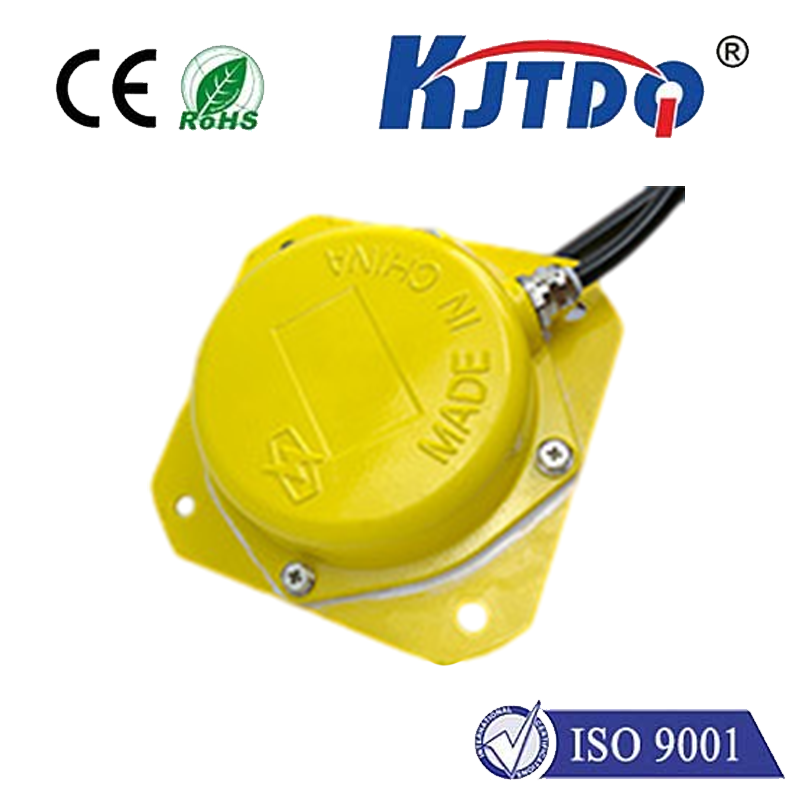
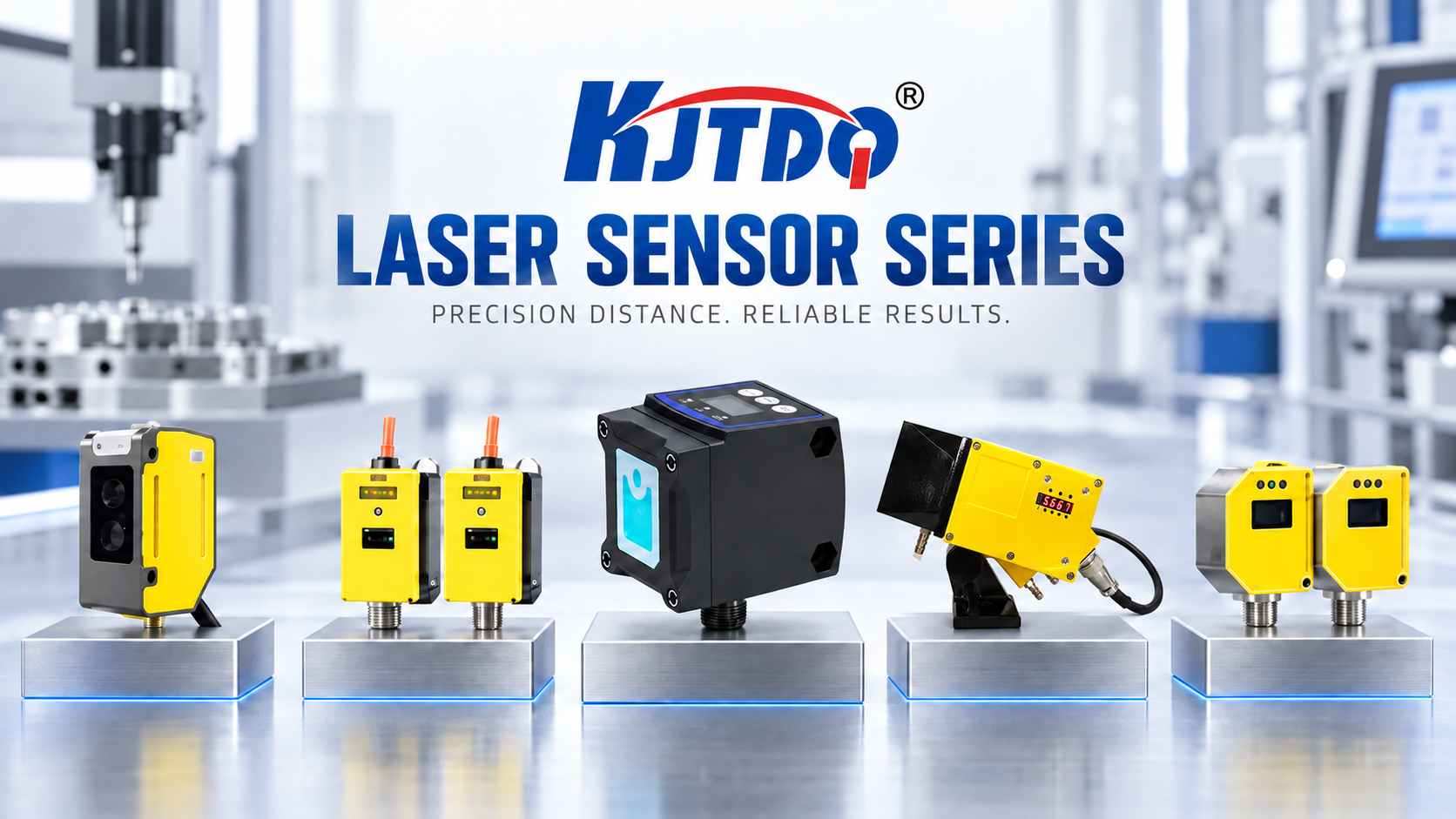
The KJTDQ series of industrial automation proximity sensors represents a leap forward in this technology. Engineered for resilience in harsh environments, these sensors boast exceptional resistance to dust, moisture, oil, and coolant ingress, often meeting high IP ratings. Their stable performance across a wide temperature range ensures consistent operation whether installed in a refrigerated warehouse or near a foundry's heat. Furthermore, advanced models feature enhanced noise immunity, preventing false triggers from nearby electrical equipment—a common challenge in dense industrial panels. This reliability translates directly to reduced machine downtime and lower maintenance costs, contributing to a healthier bottom line.
Beyond pure efficiency, the role of these sensors in safety is paramount. By providing precise and fail-safe detection, they form the backbone of many machine guarding and interlock systems. A safety-rated proximity sensor can reliably confirm that a protective door is securely closed before a press or robot is allowed to cycle, directly protecting workers from hazardous motion. This proactive approach to safety, enabled by dependable sensing technology, helps companies comply with stringent international safety standards like ISO 13849 and creates a more secure working environment.
The implementation of smart sensor technology, as seen in advanced industrial automation proximity sensors, also paves the way for Industry 4.0 and predictive maintenance. Sensors with IO-Link or other digital communication capabilities can transmit not just a simple on/off signal but also diagnostic data, such as operating temperature, signal strength, or potential contamination levels. This allows plant managers to monitor sensor health in real-time and schedule maintenance before a failure occurs, shifting from reactive repairs to a predictive model. This data integration is crucial for building a connected, intelligent factory floor.
Selecting the right sensor for an application requires careful consideration. Factors such as the sensing distance, the material of the target object (metal, plastic, liquid), the required switching frequency, and the electrical output type (PNP/NPN) are all critical. The versatility of modern lines means there is often a tailored solution, whether for detecting a tiny screw on a circuit board or a large pallet on a conveyor. Consulting with technical experts or referring to comprehensive datasheets, like those provided for the KJTDQ series, ensures optimal performance and system integration.
In conclusion, the humble proximity sensor is a powerhouse of modern industrial automation. Its evolution from a simple switch to an intelligent, connected device underscores its vital importance. Solutions like the KJTDQ industrial automation proximity sensors deliver the robustness, precision, and intelligence needed to optimize production flows, enhance safety protocols, and enable the data-driven factories of the future. Investing in high-quality sensing technology is not merely an equipment purchase; it is a strategic decision to build a more resilient, efficient, and competitive manufacturing operation.